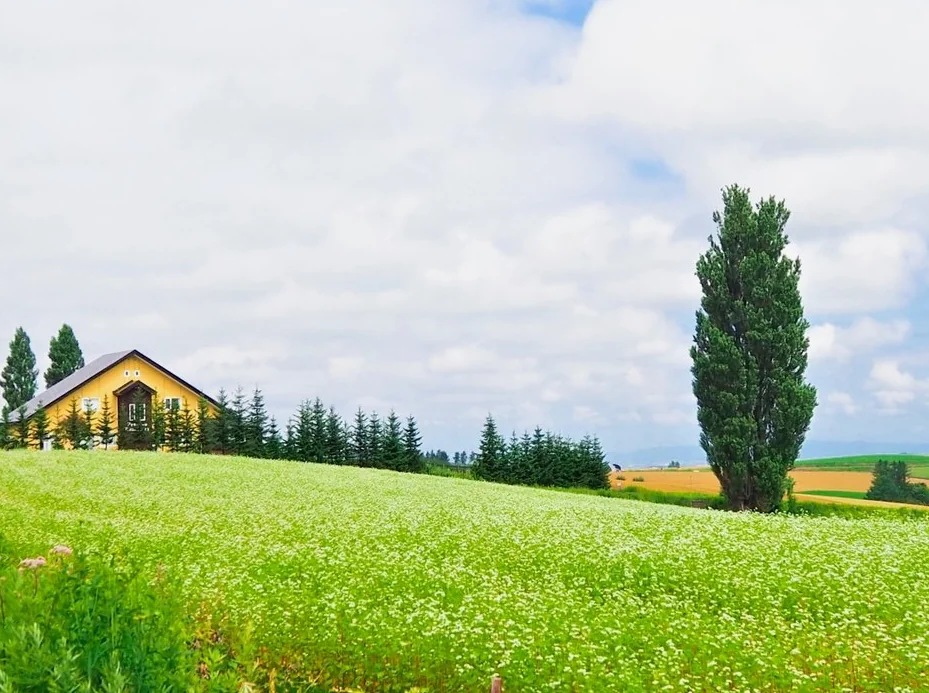
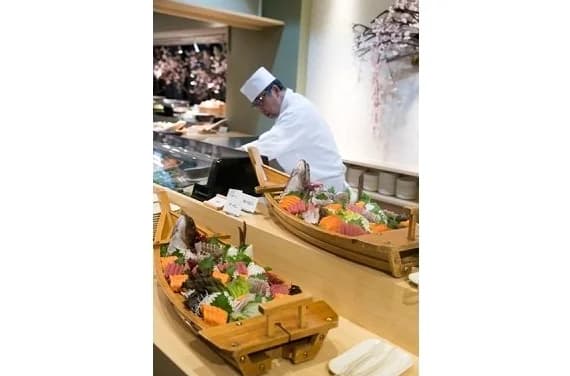
Furano and Biei Summer Day Trip: My Honest Experience with Hokkaido Harvest During my recent trip to Hokkaido, I joined a solo-friendly bus tour to explore the seasonal bounty of Furano and Biei. As a food journalist, I am usually skeptical of group travel, but this itinerary offered a practical way to sample high-quality Hokkaido summer seasonal produce, including the famous Furano King Melon, without the logistical headache of navigating rural bus schedules alone. The tour departed from Sapporo Station, covering key agricultural sites and flower gardens like Farm Tomita and Shikisai-no-Oka, while providing a clear window into the local farm-to-table culture that defines this region during the July and August harvest window.
Is a bus tour the best way to experience Furano and Biei?
A bus tour is an efficient, stress-free option for solo travelers looking to cover significant ground in a single day. While independent driving offers more flexibility, the tour logistics handle the complex navigation of the Patchwork Road and rural parking, allowing you to focus entirely on the local food and landscapes.
Logistics and time management
Managing a day trip to these areas requires strict adherence to schedules, as the distance between sites like the Shirogane Blue Pond and Ningle Terrace is substantial. From my experience, the tour provided adequate time at each stop, though I found that skipping the busy gift shops allowed me extra minutes to savor the lavender soft serve ice cream, which features a distinct, creamy Hokkaido dairy fat content that is rarely found in Tokyo.
The highlight: Furano King Melon and local agricultural products
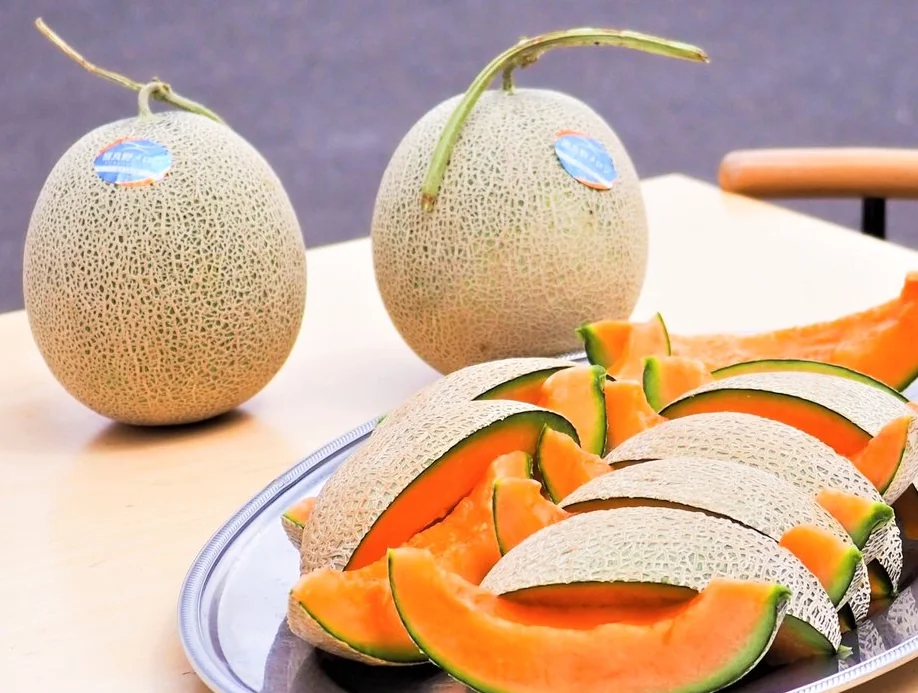
The centerpiece of the tour was the tasting of Furano King Melon, which is known for its exceptionally high brix levels and succulent texture. Tasting this fruit directly in the region where it is harvested provides a stark contrast to supermarket versions, as the ripeness is perfected for immediate consumption.
Tasting notes and regional specialties
Beyond the melon, I was impressed by the Biei corn-on-the-cob, which I sampled at a local roadside market. Its natural sweetness is remarkable, requiring no seasoning to appreciate. I also made sure to visit the Biei Senka agricultural market to check their sourcing standards, where the quality of the vegetables reflects the rigorous care of Hokkaido farmers. When you visit, prioritize the seasonal produce over the processed souvenirs, as the nutrient density and flavor profile of the fresh harvest are objectively superior.
Practical dining tips for your Hokkaido trip
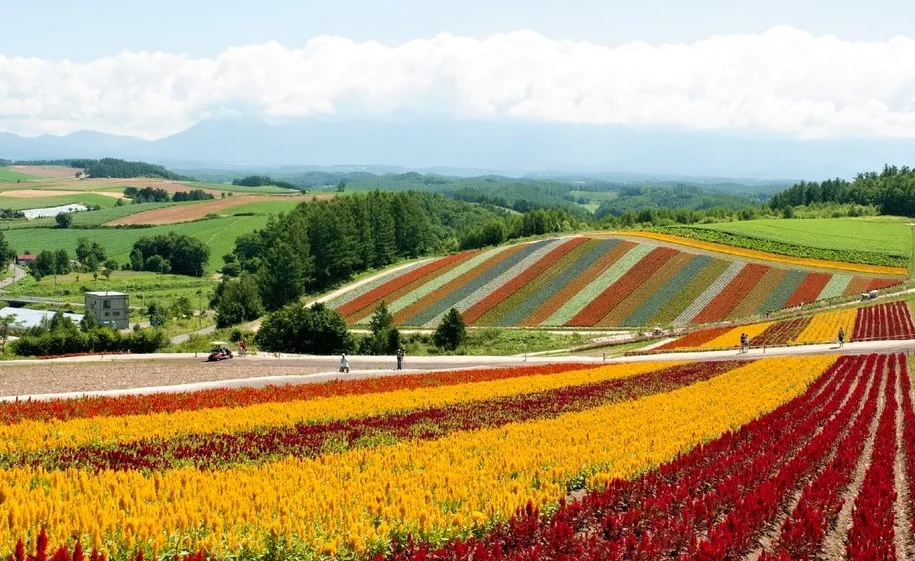
When traveling through Hokkaido, understanding the local food scene is essential for a satisfying experience. While the tour includes specific stops, you will often have the chance to explore local restaurants during lunch breaks.
What to look for in local cuisine
I recommend seeking out local soup curry, which is a staple of the region and features a complex, spiced broth that pairs well with local root vegetables. If you have the time for a sit-down meal, look for Jingisukan lamb BBQ, keeping in mind that the price range typically falls between 2,500 and 4,500 yen per person depending on the quality of the meat. Always check Tabelog ratings for Hokkaido restaurants to gauge local sentiment, keeping in mind that a score of 3.5 or higher is a reliable indicator of quality.
Recommended Activities
- (1명부터 출발) 후라노 비에이 여름 1일 버스 투어 (후라노 메론 제공) — 마이리얼트립
- [삿포로 출발] 쇄빙선+소운쿄 얼음 축제 스페셜 투어 — 마이리얼트립
FAQ
 Q: What is the best time of year to visit for the harvest?
A: The peak window for the harvest and flower blooms is between July and August. This is when you will find the highest quality melon and the most vibrant fields.
Q: Are there vegetarian options available on these tours?A: While the tours focus on agricultural produce, specific meal inclusions might contain meat. I recommend checking the tour details in advance or bringing your own snacks from the local markets if you have strict dietary needs.
Q: How much extra budget should I set aside for food?A: Aside from the tour cost, I suggest setting aside about 3,000 yen for lunch and additional snacks like soft serve or fresh corn, which are reasonably priced but add up if you want to try everything.