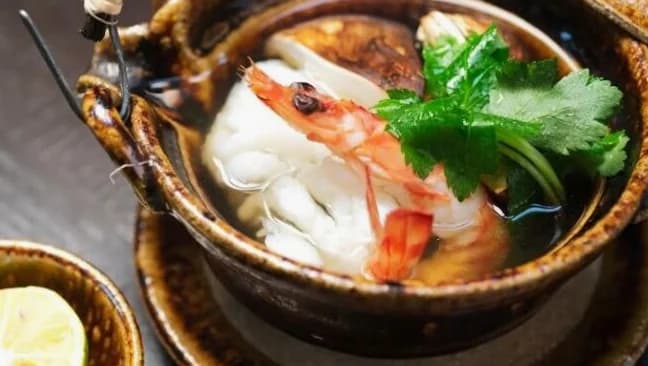
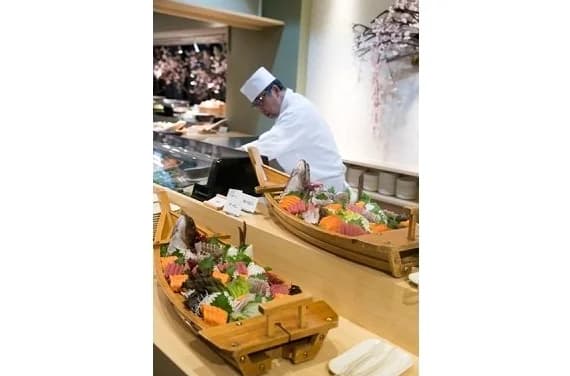
Ginza Sushi Buffet: My Honest Experience at Hina Sushi Finding a high-quality, all-you-can-eat sushi experience in Tokyo is often a gamble, but Hina Sushi in Ginza manages to balance volume with surprising consistency. During my recent visit, I found that while the experience is tailored toward those who want to eat until they are full, the quality of the fish remains significantly higher than typical chain conveyor-belt shops. Accessing this through platforms like MyRealTrip is a common way for international diners to secure a spot, as the restaurant can get quite crowded during peak hours. If you are looking for a casual environment to sample a wide variety of Japanese cuisine without the stress of a high-end omakase price tag, this is a pragmatic choice. However, keep in mind that the speed of service and the specific selection of toppings can fluctuate depending on how busy the kitchen is that evening.
Understanding the Hina Sushi All-You-Can-Eat Concept
Hina Sushi offers a fixed-price buffet that allows diners to order from a menu of over 60 different types of sushi. The primary appeal is the ability to choose specific cuts and preparations rather than waiting for plates to rotate past you, which ensures the fish is served at the correct temperature.
When I visited, I focused on the seasonal items, which felt much fresher than the standard tuna or salmon options. The service model relies on ordering sheets, which helps keep the pace steady, though I did notice that as the restaurant neared capacity, the kitchen began to lag by approximately 12 minutes between rounds. For anyone prioritizing variety in Japanese cuisine, the sheer number of options is the main advantage here, though I recommend sticking to the nigiri rather than the rolls, as the latter are often overloaded with rice.
Practical Tips for Your Reservation
Securing a reservation through travel platforms is highly recommended because wait times can exceed 45 minutes for walk-ins on weekends. By using a pre-booked voucher, you essentially guarantee your table and simplify the payment process upon arrival.
One downside I encountered was the lack of detailed English explanations for some of the more obscure seasonal fish on the menu. If you are not familiar with specific Japanese fish names, you might find yourself ordering based on trial and error. I suggest having a translation app ready or asking the staff for their daily recommendations, as they are generally helpful if you approach them during a lull in service.
Frequently Asked Questions
Q: Is the sushi quality comparable to high-end Ginza restaurants?A: No, it is not. While the quality is perfectly acceptable for a buffet, it does not match the precision or the sourcing of a traditional, high-end Ginza sushi bar. It is better viewed as a fun, high-volume dining experience.
Q: Are there any hidden costs beyond the buffet price?A: Typically, the buffet price covers the food, but you will need to pay extra for beverages, including alcohol or soft drinks, which are not included in the standard voucher price.
Q: How long can I stay at the table?A: Most sessions are limited to two hours. I found this to be more than enough time to order multiple rounds of sushi without feeling rushed by the staff.
Reflections on the Experience
My time at Hina Sushi was a reminder that Tokyo dining is not just about Michelin stars or tiny, hidden counters. Sometimes, it is about the simple pleasure of eating a large volume of fresh, decent-quality fish in a comfortable setting. While it lacks the intimacy of a local restaurant, the convenience of the menu and the accessibility of the location make it a solid option for groups or those with a serious appetite for sushi. Just remember to temper your expectations regarding service speed during the busiest hours of the night.