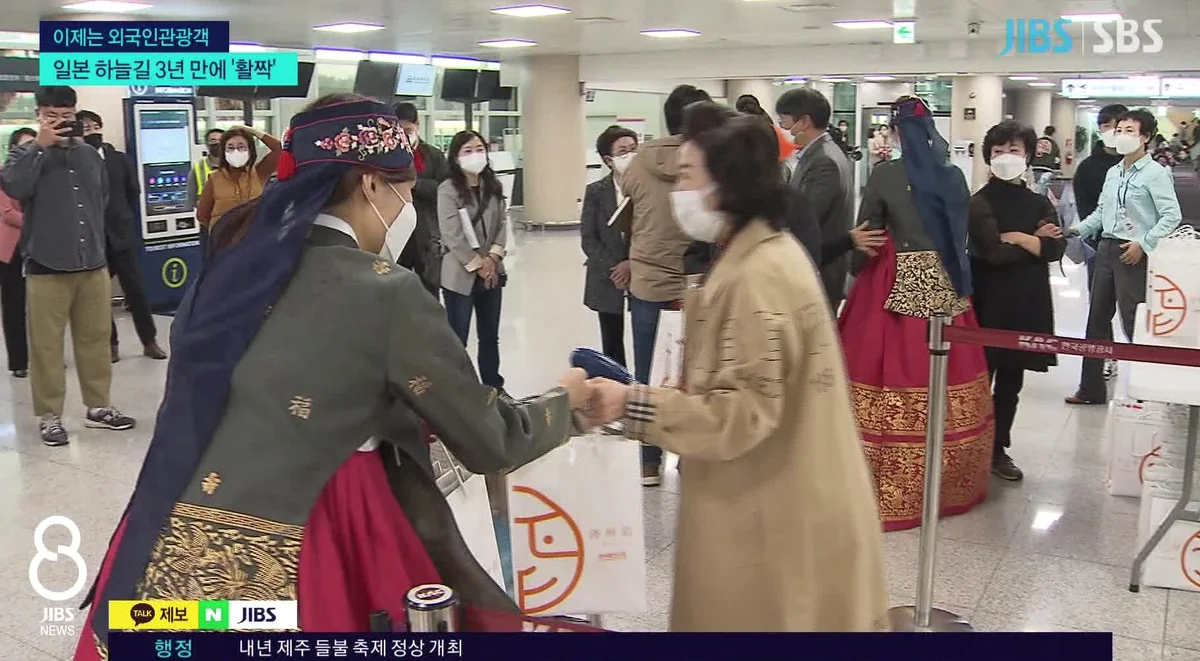
I remember the frustration of wanting a bowl of real Osaka-style ramen but having to fly to Seoul first just to catch a connection. That changed recently when the direct flight between Jeju International Airport (CJU) and Kansai International Airport (KIX) finally returned. For someone like me who tracks Tabelog scores more closely than the stock market, this 1-hour and 40-minute jump brings the "Kitchen of Japan" back within reach for Jeju residents. This route isn't just about convenience; it is about reclaiming access to the high-viscosity broths and precise shari textures that define the Osaka food scene. In this guide, I will break down how to navigate the best local restaurants and make the most of this direct connection based on my recent trip.
The Return of the Jeju-Osaka Direct Route
The Jeju-Osaka direct flight resumed in late 2022 after a hiatus of nearly three years. This reopening was driven by the easing of pandemic-related border restrictions and the reinstatement of visa-free entry for travelers. For residents of Jeju, this means direct access to the Kansai region without the exhausting layovers in Incheon or Busan.
Why the Direct Flight Duration Matters
A direct flight duration of approximately 1 hour and 40 minutes saves travelers roughly 5 to 6 hours compared to indirect routes. This extra time allows for an immediate start to a culinary tour, potentially fitting in an extra meal at an Izakaya on the first night.
Navigating Osaka’s Local Restaurants with Data
Finding the best Japan food in Osaka requires looking past Google Maps and focusing on the Tabelog rating threshold. In Japan, a 3.5 rating on Tabelog is the hallmark of a truly great restaurant, while anything above 3.8 often requires booking weeks in advance via TableCheck reservations.
Understanding the Tabelog Rating Threshold
A score of 3.5 on Tabelog indicates a restaurant that is significantly better than average, as most establishments sit between 3.0 and 3.2. If you find a spot with a 3.6 or higher, expect a wait time metric of at least 30 to 45 minutes if you haven't booked ahead.
I recently visited a Michelin Bib Gourmand Osaka recipient near Umeda. While the wait was 52 minutes on a damp Tuesday, the umami flavor profile of their dashi was worth every second. The price per person was roughly ¥4,200, which is reasonable for that level of craftsmanship. One downside: the space was incredibly cramped, even by Japanese standards. I had to leave my small backpack at a nearby locker because there was literally no floor space.
The Art of Ramen Broth Viscosity and Sushi Texture
High-quality ramen broth should have a specific viscosity that coats the spoon, indicating a long-simmered bone base rich in collagen. For sushi, the Shari sushi rice texture must be airy enough to crumble slightly in the mouth but firm enough to hold the fish during the dip into soy sauce.
Essential Osaka Dining: From Dotonbori to Umeda
Osaka's food culture is centered around the concept of "Kuidaore," or eating until you drop, spanning from Dotonbori street food to high-end Kappo-style dining. To experience this, one must balance budget-friendly Tachinomiya standing bars with high-end seasonal fugu menus.
Iconic Street Food and Local Favorites
Dotonbori street food is famous for Takoyaki and Okonomiyaki, but for the best experience, you should look for spots with shorter queues away from the main bridge. Kushikatsu Daruma remains a staple for deep-fried skewers, though the wait time metrics at the main branch often exceed 40 minutes.
Kuromon Ichiba Market is another famous stop, though I have to be honest: it has become quite a tourist trap. You will see high-grade Japanese wagyu and seasonal fugu menus, but the prices are often 20-30% higher than what you would find in the Umeda underground food alleys. If you go, stick to the smaller stalls that locals frequent for local craft sake pairings.
| Feature | Direct Flight (CJU-KIX) | Connecting Flight (via Seoul) |
|---|---|---|
| Total Travel Time | ~1 hour 40 minutes | 5 to 8 hours |
| Average Price (JPY) | ¥28,000 - ¥48,000 | ¥35,000 - ¥65,000 |
| Convenience Factor | High (No transfers) | Low (Terminal changes) |
Budget vs. High-end Dining Strategies
Budget vs. high-end dining in Osaka is less about quality and more about the environment and ingredients. You can find incredible Osaka-style sushi (Oshizushi) at a basement counter for ¥1,500, or spend ¥25,000 at a Kappo-style dining room for a multi-course seasonal meal.
Practical Tips for Your Osaka Food Trip
Successful dining in Osaka involves more than just showing up; it requires managing reservations and understanding local Izakaya dining culture. Always carry cash, as many Tachinomiya standing bars and smaller local restaurants do not accept international credit cards.
Travel Checklist for the New Route
- Address the 3-year gap in direct service by verifying if your intended local restaurants are still operating.
- Check the latest COVID-19 or health entry guidelines to ensure a smooth transition through KIX.
- Book TableCheck reservations at least two weeks out for any restaurant with a Tabelog score above 3.5.
"Next year (2023), the Japanese tourism market is expected to be revitalized to some extent." — Jeju Provincial Government Tourism Policy Division [1] The return of the direct flight from Jeju to Osaka is a significant win for anyone who values authentic culinary experiences. By using data-driven tools like Tabelog and exploring beyond the neon lights of Dotonbori, you can find the true heart of Kansai's food scene. Whether you are chasing the perfect ramen broth viscosity or the delicate balance of Shari sushi rice texture, Osaka is once again just a short flight away.
Frequently Asked Questions
Q: What are the main reasons for the resumption of the Jeju-Osaka route? A: The primary drivers were the relaxation of quarantine guidelines by both the Korean and Japanese governments and the implementation of visa-free entry for travelers. Q: Are there plans to expand direct flights to other Japanese cities from Jeju? A: Yes, discussions are underway for direct flights to Tokyo and Fukuoka, with potential expansion to other cities like Nagoya being considered for the future.
자주 묻는 질문