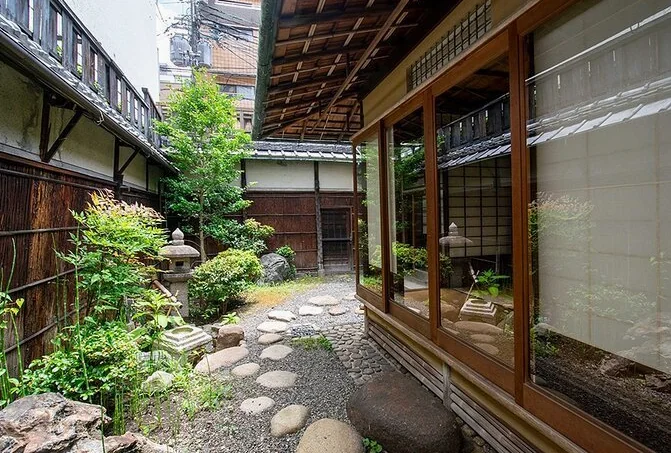
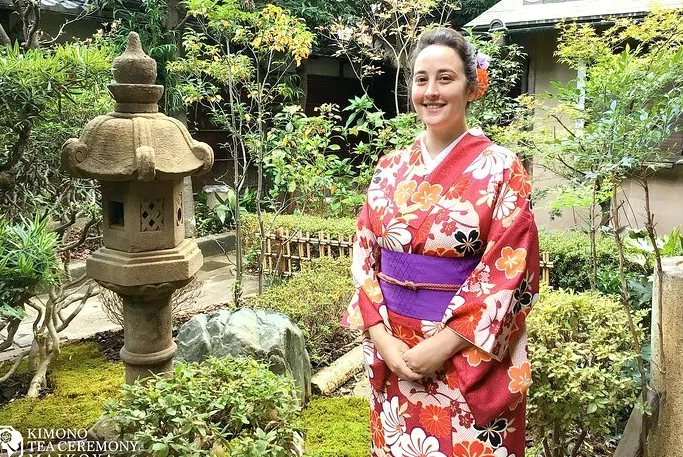
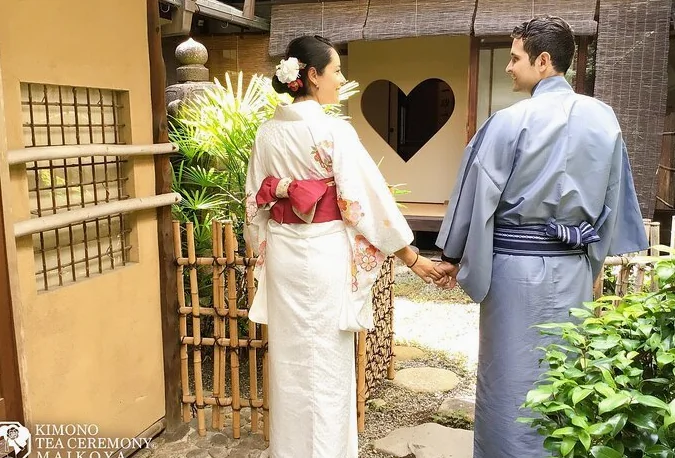
Kyoto Tea Ceremony and Kimono Experience: A Personal Review Finding a genuine connection to Japanese culture in a city as busy as Kyoto requires more than just visiting temples. During my recent visit, I participated in a combined kimono rental and tea ceremony session near the Higashiyama district. While many tourists flock to Gion, I sought a quieter experience within a traditional Kyoto Machiya. This session, priced at approximately ¥6,000 per person, offered a structured look at the art of Uji tea and the precision of Wagashi selection. Balancing the aesthetic of a kimono with the meditative nature of Zen Buddhism-influenced tea preparation provided a distinct perspective on Omotenashi, or Japanese hospitality. Below, I break down the practicalities of this experience for those wanting to move beyond surface-level sightseeing.
Understanding the Experience Logistics
The tea ceremony experience typically lasts about 60 to 90 minutes depending on group size and pace. Reservations are essential, as these traditional spaces in Kyoto often operate on strict schedules to maintain the integrity of the ceremony and the privacy of the venue.
| Feature | Experience Detail |
|---|---|
| Average Price | Approximately ¥6,000 per person |
| Typical Duration | 60 - 90 minutes |
| Key Inclusions | Kimono rental, Wagashi, ceremonial grade matcha |
"You can learn about Japanese culture and traditions through this hands-on experience." [1]
Key Components of the Session
The session centers on the preparation of ceremonial grade matcha using a bamboo whisk, known as a chasen. The goal is to achieve a specific froth texture that complements the sweetness of the seasonal Wagashi served alongside the tea.
- Chawan (Tea Bowl): Handheld vessels often chosen for their seasonal aesthetic.
- Uji Tea: Sourced from the Kyoto region, providing a distinct bitter-sweet balance.
- Seasonal Wagashi: Designed to reflect the current time of year, balancing the umami of the tea.
Practical Tips for Your Visit
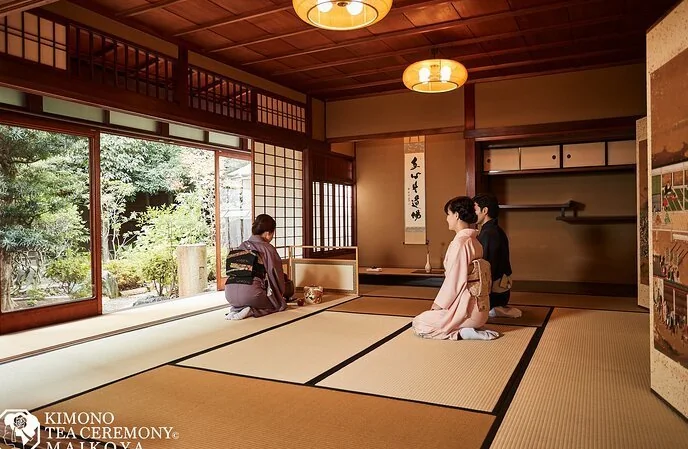 To get the most out of your time, consider these preparation steps before you arrive at the tea house. These tips address common issues travelers face when trying to balance attire with the physical requirements of a traditional tatami room.
Checklist for Cultural Immersion
If you are looking to improve your travel from simple sightseeing to a more meaningful engagement, keep these two points in mind:
- Authentic Cultural Engagement: Seek out sessions that prioritize education on tea utensils and the history of the architecture over mere photo opportunities.
- Attire and Comfort: While wearing a kimono or yukata is beautiful, ensure you are comfortable sitting on tatami mats for an extended period, as this is how the ceremony is traditionally performed.
The experience is undeniably aesthetic, but the real value lies in the technical skill required to whisk the matcha correctly. If you find the kimono restrictive, don't hesitate to ask the staff for assistance in adjusting the obi or the length; they are usually accustomed to helping guests who are new to the attire.