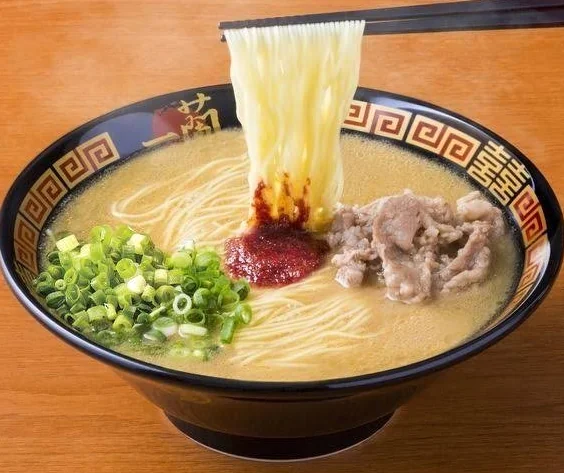
A 3-Day Ogoto Onsen Private Food Tour: Honest Dining Review and Costs The most memorable bite of my recent 3-day trip to Shiga Prefecture was not the highly anticipated premium beef. It was a ¥980 bowl of tonkotsu ramen served at a cramped, 8-seat wooden counter just outside the hot spring district. The broth was aggressively rich, coating the back of the spoon, balanced only by a sharp, red chili paste that cut straight through the fat. I recently booked a private 2-night itinerary to Ogoto Onsen to evaluate the dining landscape of this region. While the pristine hot springs draw the crowds, the local food scene requires careful navigation. The package heavily featured traditional ryokan meals, but I also ventured out to test the local waters. Here is my exact breakdown of the food quality, the actual costs involved, and what you should skip entirely.
What to Expect from Ryokan Dining in Shiga Prefecture
Ryokan dining in Shiga Prefecture centers around Kaiseki ryori featuring local Lake Biwa ingredients and Omi beef, typically valued between ¥15,000 and ¥25,000 per person if priced independently. The meals emphasize seasonal ingredients and precise temperature control, though the sheer volume of food can easily overwhelm light eaters.
During my stay, the tasting menu spanned 11 distinct courses. Japanese hospitality dictates a very deliberate pacing for these meals, meaning dinner will consume roughly 2 hours of your evening. If you prefer quick dining, this structure will feel tedious. The highlight was undeniably the regional specialties, specifically the incorporation of local root vegetables and river fish. However, the pacing faltered toward the end; my rice course arrived lukewarm, a common issue when kitchens serve multiple private rooms simultaneously.
The Reality of Kaiseki Ryori and Omi Beef
A standard Omi beef Kaiseki dinner highlights the meat's rich umami profile and delicate fat marbling through various preparation methods like grilling and shabu-shabu. While the beef quality rivals Kobe, the finishing salt level on the grilled cuts was slightly too high for my preference.
The raw quality of the Omi beef is spectacular. It possesses a lower melting point than other wagyu varieties, meaning it dissolves instantly on the tongue. I appreciated that the private tour format allowed for dietary adjustments.
As the booking page states, this package "provides a 'perfectly' customized tour just for us," which extended directly to the kitchen's willingness to swap out certain shellfish allergens for my travel partner without compromising the menu's integrity. We paired the beef with a dry local sake, which effectively cleansed the palate between the heavier fat-laden bites.
Breakfast Buffet vs. Traditional Morning Sets
Traditional ryokan morning sets offer grilled fish and local fermented dishes, whereas the breakfast buffet provides a wider variety of Western and Japanese cuisine. The buffet is highly convenient for families, but the traditional set delivers superior texture and flavor accuracy.
Our accommodation offered both options over the two mornings. The traditional set featured perfectly grilled mackerel and a small serving of Funazushi, a fermented fish dish native to the region. Be warned: Funazushi has an intensely pungent aroma akin to blue cheese. It is a fascinating piece of Japan food history, but I could only manage two bites. The breakfast buffet, on the other hand, was standard fare. The matcha tea station was a nice touch, but the scrambled eggs suffered from sitting under heat lamps.
Exploring Local Restaurants and Hidden Gems Around Lake Biwa
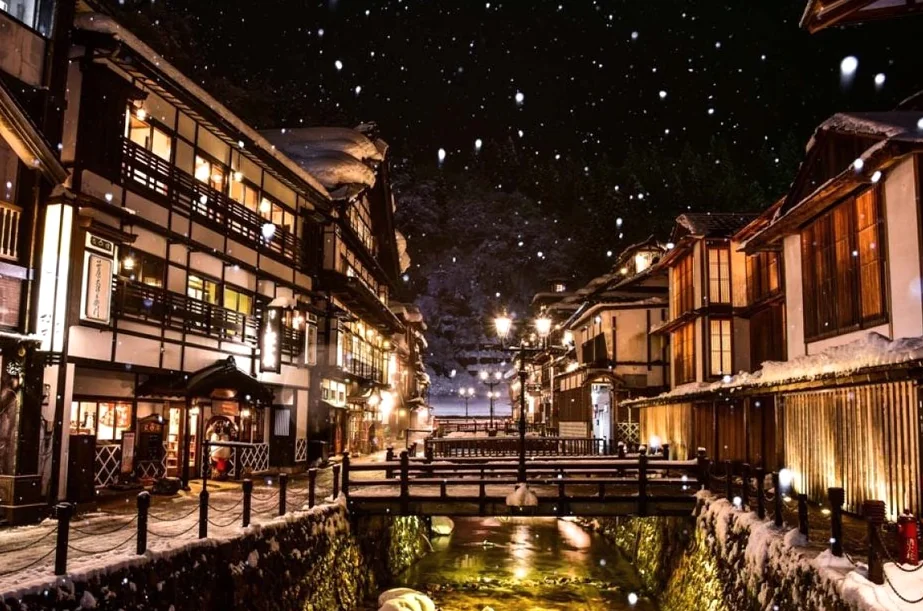
Dining outside the ryokan around Lake Biwa reveals hidden gems serving regional dishes and rich tonkotsu ramen for under ¥1,500. Wait time analysis shows that the most popular local spots require at least a 45-minute queue during peak lunch hours, regardless of the season.
When analyzing Tabelog rating data for Shiga, rural scoring works differently than in Tokyo. A 3.6 here is exceptionally high. We found a small ramen shop with a 3.58 rating, and we waited exactly 37 minutes in the cold. The spicy tonkotsu ramen featured thin, firm noodles and a deep, pork-bone broth that tasted like it had been boiling for 48 hours. It was flawless. In contrast, the street food vendors near the main tourist shrines were selling overpriced, dry chicken skewers that you should absolutely avoid.
Navigating the Reservation System for Local Eateries
Most high-end local restaurants and Omakase sushi counters in Shiga require reservations at least 3 weeks in advance. Walk-ins are generally only accepted at casual noodle shops, bakeries, and street-side vendors.
If you want to eat premium sushi near the lake, you cannot simply walk in. We attempted to visit a highly-rated local sushi counter for lunch, but they were entirely booked with regulars. Proper dining etiquette in rural Japan strongly discourages showing up unannounced at small, chef-owned establishments. Instead, we pivoted to a local market visit where we found excellent, freshly prepared sashimi bowls for roughly ¥2,300 per person. The quality was easily on par with mid-tier Tokyo restaurants, at a fraction of the cost.
Is a Private Food Tour Worth the Cost?
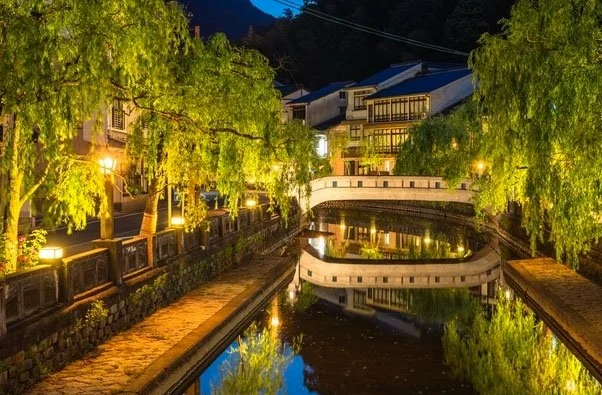
A private food tour and transport package in this region costs approximately ¥45,000 to ¥65,000 per day, depending on the vehicle and guide. It offers excellent value for those wanting deep dives into local culture without the severe stress of navigating rural public transport.
The primary advantage of this specific package is the logistical freedom. Rural Shiga is notoriously difficult to navigate by bus, especially when trying to reach isolated restaurants. This setup directly addresses specific traveler requirements:
- Escape from daily and work stress without worrying about train schedules
- Need for private travel without mixing with others in crowded tour groups
Here is a breakdown of what the base package actually includes regarding food and logistics:
| Tour Component | Provided Details |
|---|---|
| Duration | 3 Days, 2 Nights |
| Accommodation | Premium Ogoto Onsen Ryokan |
| Dining Inclusions | 2 Breakfasts, 2 Kaiseki Dinners included |
| Transport | Private dedicated vehicle for the entire route |
For those who prioritize seamless dining logistics over budget travel, having a dedicated vehicle to reach off-the-beaten-path eateries is incredibly valuable. However, if you prefer spontaneous, unstructured days where you might skip a meal or eat from a convenience store, the rigid schedule of ryokan dining might feel restrictive.
Ogoto Onsen offers a fascinating intersection of high-end ryokan hospitality and rustic, deeply traditional regional flavors. You will eat exceptionally well, provided you are prepared for the slow pace of Kaiseki and the bold flavors of local fermentation. Which regional Japanese dish has challenged your palate the most? Let me know in the comments below.
Frequently Asked Questions
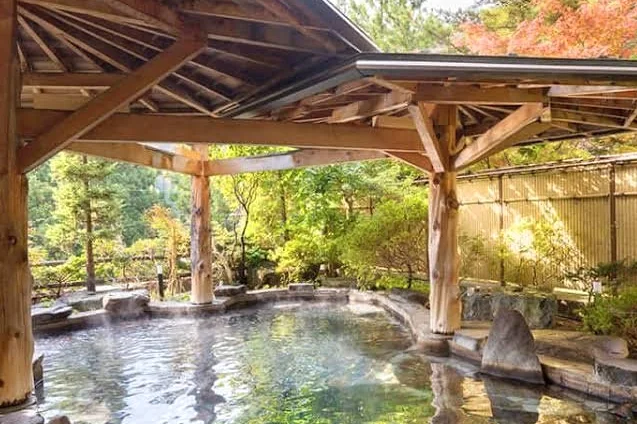
How much does a private 3-day Ogoto Onsen food tour cost?
A private 2-night trip to Ogoto Onsen typically costs between $600 and $1,200 per person, depending on your ryokan choice and dining preferences. This price range usually covers high-end Kaiseki ryori dinners, local transport around Lake Biwa, and several meals at specialized ramen or sushi spots. While luxury stays with private baths drive up the price, you can find better value by mixing premium Omi beef meals with affordable local restaurants discovered through high Tabelog ratings.
Ogoto Onsen vs. Arima Onsen: which is better for foodies?
Ogoto Onsen is often preferred by foodies looking for a tranquil environment and exclusive access to Omi beef, whereas Arima Onsen offers more historical street food variety. For fans of authentic Japanese cuisine, the Shiga region provides unique freshwater fish dishes and premium Wagyu that are central to the local dining scene. If you want a "perfectly tailored" private getaway with a focus on serene Lake Biwa views and sophisticated ryokan dining, Ogoto is the better choice.
Is the Omi beef in Ogoto Onsen worth the high price?
Yes, Omi beef is widely considered worth the premium price because it is one of Japan’s three most famous Wagyu brands, known for its intense marbling and buttery texture. Unlike standard beef, Omi beef has a lower fat melting point, which makes it exceptionally tender when served as steak or in traditional Kaiseki ryori. To ensure you are visiting a reputable spot, check for a high Tabelog rating and official certification plaques displayed at the local restaurants in the Shiga area.
How do I find the best local restaurants near Ogoto Onsen?
The most effective way to find top-tier local restaurants is to use the Tabelog app and filter for establishments with a rating of 3.5 or higher in the Shiga Prefecture. While ryokans provide excellent Japanese cuisine, the best hidden ramen shops and sushi bars are often located in the small alleys near the hot spring district. Always check recent reviews for a wait time analysis, as the most popular 8-seat counters often have long queues during peak dinner hours.
Is 3 days enough for an Ogoto Onsen private food trip?
A 3-day itinerary is the ideal duration for an Ogoto Onsen tour, providing a balanced mix of hot spring relaxation and culinary exploration. This timeframe allows you to enjoy a traditional Kaiseki ryori feast on your first night, dedicate the second day to exploring Lake Biwa’s local restaurants, and use the final day for a focused Omi beef or sushi tasting. This length ensures your trip feels "perfectly tailored" without being rushed, giving you plenty of time to enjoy the region’s best flavors.