Osaka Private Half-Day Food Tour: My Honest Review After Walking the Alleys The worst mistake you can make in Osaka is blindly joining a 42-minute queue for a giant mechanical crab sign on Dotonbori. You will pay JPY 3,500 for a mediocre crab leg that tastes like freezer burn. As a food journalist review project, I recently tested a private half-day itinerary led by a National Government Licensed Guide Interpreter to see if it actually bypasses these traps. The verdict? It strips away the flash and gets straight to the complex umami profile of authentic Kansai cuisine. Expect to pay around JPY 18,000 for the guide fee, plus out-of-pocket food costs. It is not cheap, but it fundamentally changes how you consume Japan food.
Why a Government-Licensed Guide Changes the Osaka Food Tour Experience
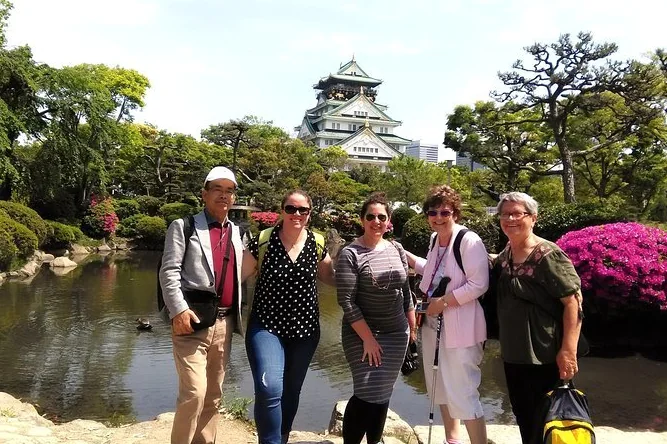
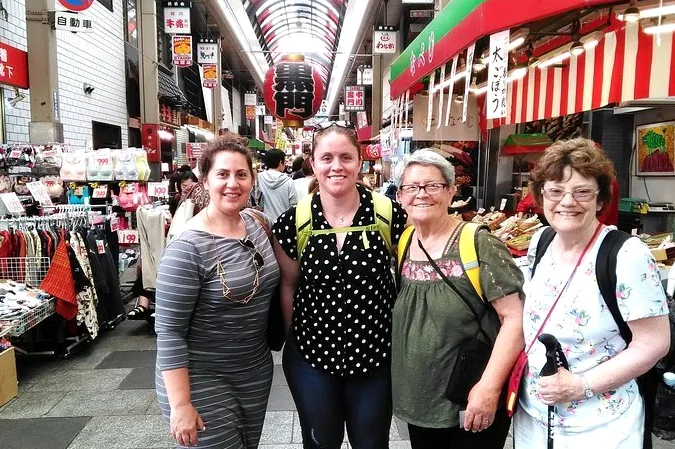
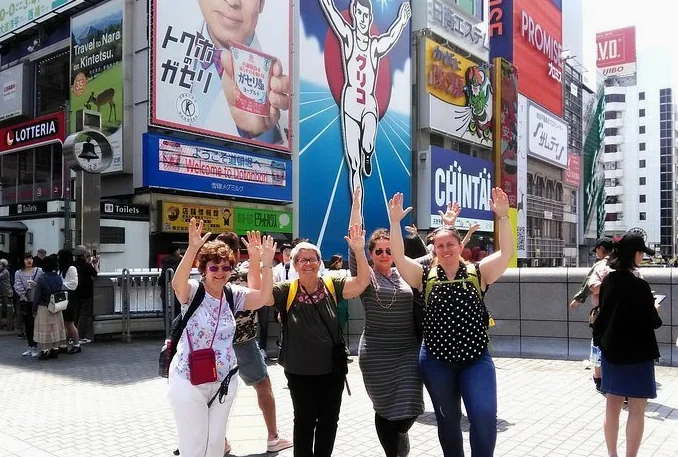
A government-licensed guide drastically alters an Osaka food tour by utilizing wait time optimization and bypassing viral social media stands. They provide historical context to Japanese culinary culture while navigating you directly to local restaurants that actually deserve their ratings.
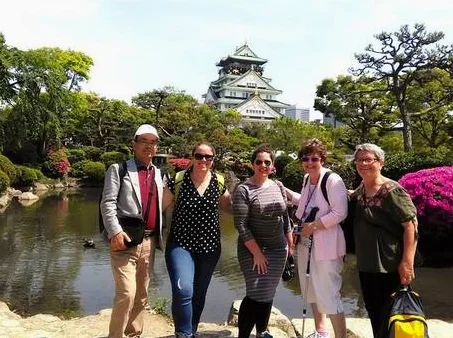
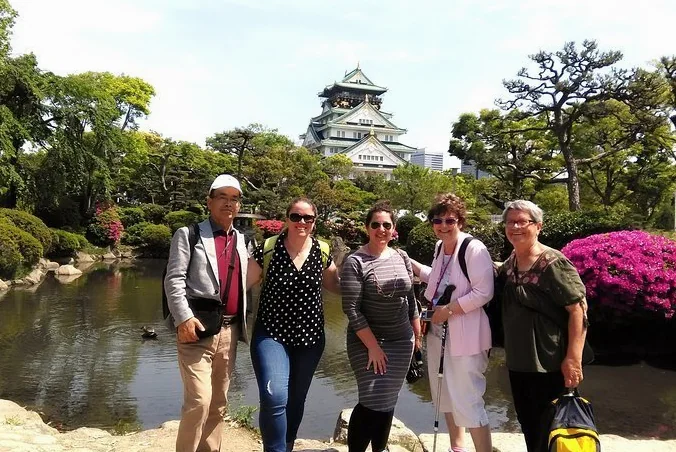
Meeting our guide near the Osaka Castle grounds, we skipped the standard lengthy historical lecture. Instead, we used the castle's moat and traditional architecture as a brief visual appetizer before diving into the food. This approach solves two major problems for travelers:
- The strong aversion to rigid, large-group package tours that force you into kickback-heavy souvenir shops.
- The sheer difficulty of independent travel when you lack the local language skills to decipher handwritten daily menus.
According to the booking platform, this is explicitly structured as a [1]:
Tour with a government-licensed guide
This credential matters. It means they are legally certified, not just a university student making extra cash. They understand the nuances of the city's grid and how to pivot when a restaurant unexpectedly closes.
Navigating the Markets: Kuromon Ichiba Market and Beyond
Kuromon Ichiba Market operates as a chaotic mix of market-to-table brilliance and overpriced tourist traps. Navigating it successfully requires strict Tabelog score analysis and a willingness to walk past the loudest vendors.
We did a focused street food crawl here. I use a mental black-and-white 'X' mark for any stall with a Tabelog score under 3.2. Google reviews mean nothing in this context; a 4.5 on Google is often just a 3.0 on Tabelog propped up by English-speaking tourists who do not know better. Our guide steered us to a tiny corner stand selling fatty tuna sushi. The price per person JPY was 1,200 for two pieces. The temperature of the rice was slightly warm—exactly as it should be to melt the fish fat on your tongue.
The Reality of Dotonbori Street Food
Dotonbori street food is visually loud but often structurally disappointing, with many stalls serving gummy, undercooked batter. True B-class gourmet is found by walking two streets over into the quieter alleys.
We bypassed the 35-minute takoyaki lines on the main bridge. Instead, we slipped into Hozenji Yokocho, an alleyway lined with traditional facades. Here, the okonomiyaki is cooked slow. The cabbage retains a distinct crunch, bound by a minimal amount of yam-infused batter. The takoyaki we sampled nearby had a dangerously molten interior heavily spiked with Kansai-style dashi, burning the roof of my mouth in the best way possible. That deep kelp and bonito stock is what separates authentic dishes from the bland tourist versions.
Deep-Fried Truth in the Shinsekai District
The Shinsekai district serves as the gritty, neon-lit heart of Osaka's deep-fried culture. Kushikatsu here is a serious discipline, with skewers averaging JPY 130 each and strictly enforced dipping rules.
Shinsekai feels like stepping back into 1988. We hit a hidden izakaya where the kushikatsu batter was so thin it was translucent. The oil temperature was kept aggressively high, leaving zero greasy residue on the lotus root and beef skewers. The guide handled the ordering, ensuring we tried seasonal vegetables rather than just the standard pork cuts. We observed a stark contrast between tourist traps vs local spots; the local joints had menus taped to the walls, stained with decades of cooking oil, while the traps featured bright plastic food displays and aggressive touts outside.
Ramen and the Japanese Cuisine Landscape
While Osaka is dominated by flour-based street snacks, its ramen culture offers deeply savory chicken and soy broths. A standard bowl at a local favorite costs around JPY 950 and requires precise timing to avoid the lunch rush.
We ended the tour at a 7-seat counter. The broth was a dark, complex soy base that clung to the thick noodles. It was a masterclass in balance, cutting through the heavy fried foods from earlier in the day. Our guide knew the owner, which meant we were seated within 11 minutes despite a line forming outside.
Tour Specifications and Practical Details

Booking a private guide requires understanding the physical demands and financial structure of the day. You are paying for expertise and navigation, while all actual food consumption remains an additional out-of-pocket expense.
| Tour Component | Execution Details |
|---|---|
| Booking Lead Time | Minimum 4 days prior to departure recommended |
| Walking Distance | Approximately 6.5 kilometers total |
| Food Budget | Expect JPY 4,000 to 7,000 extra for meals |
| Group Size | Strictly private, capped at 6 people |
The downside to this tour? Your feet will ache. Walking 6.5 kilometers on concrete while digesting heavy flour and fried foods is physically taxing. Furthermore, paying a premium for a guide and then still having to buy your own meals might feel steep to budget travelers. However, if you value your limited vacation hours, the wait time optimization alone pays for itself. You stop eating bad food and start understanding the mechanics behind the plate.
Which Osaka dish are you prioritizing on your trip? Let me know if you prefer the heavy umami of okonomiyaki or the clean bite of fresh sushi.
Frequently Asked Questions
How much does the Osaka private half-day food tour cost?
A private half-day Osaka food tour with a government-licensed guide typically costs around JPY 18,000 for the guide's professional services. This fee generally covers the customized itinerary and expert navigation but does not include out-of-pocket food expenses. When budgeting for your trip, you should set aside an additional JPY 3,000 to JPY 7,000 per person to cover local restaurants, ramen, and street food samples, depending on your appetite for premium Japanese cuisine.
Is a government-licensed guide for an Osaka tour worth it?
Yes, hiring a National Government Licensed Guide is worth it for travelers who want to avoid tourist traps and access authentic Japan food. These guides undergo rigorous training and provide expert Tabelog score analysis to find high-quality local restaurants that most tourists miss. In busy areas like Kuromon Ichiba Market or Dotonbori, they ensure you spend your money on genuine, high-quality sushi and seasonal ingredients rather than overpriced, flash-frozen food meant for social media photos.
Does the Osaka private tour include food and drinks?
Most private half-day tours in Osaka do not include the cost of food and drinks in the initial booking price. This flexible model allows you to customize your experience; you can choose to spend more on high-end sushi or keep it casual with Dotonbori street food like takoyaki. You are responsible for your own meal costs as well as the guide's food during the tour, allowing you to control your total budget while following professional recommendations for the best Japanese cuisine.
Osaka private food tour vs group tour: which is better?
A private food tour is better for travelers who want a personalized pace and access to small, authentic local restaurants that cannot accommodate large groups. While group tours are more budget-friendly, they often follow rigid paths to high-volume stalls with long queues. A private half-day tour with a licensed guide allows for deep-dive Tabelog score analysis and the ability to pivot your itinerary based on your specific cravings, whether that is artisan ramen or hidden Izakayas.
How long does the Osaka private half-day food tour take?
The Osaka private half-day food tour typically takes between 3 to 4 hours to complete. This timeframe is designed to provide a comprehensive look at the city’s food culture without being overwhelming. During the tour, you can expect to visit 3 to 4 distinct locations, such as Kuromon Ichiba Market for fresh seafood and the neon-lit alleys of Dotonbori for iconic street food, leaving you with plenty of time to explore Osaka’s other attractions afterward.