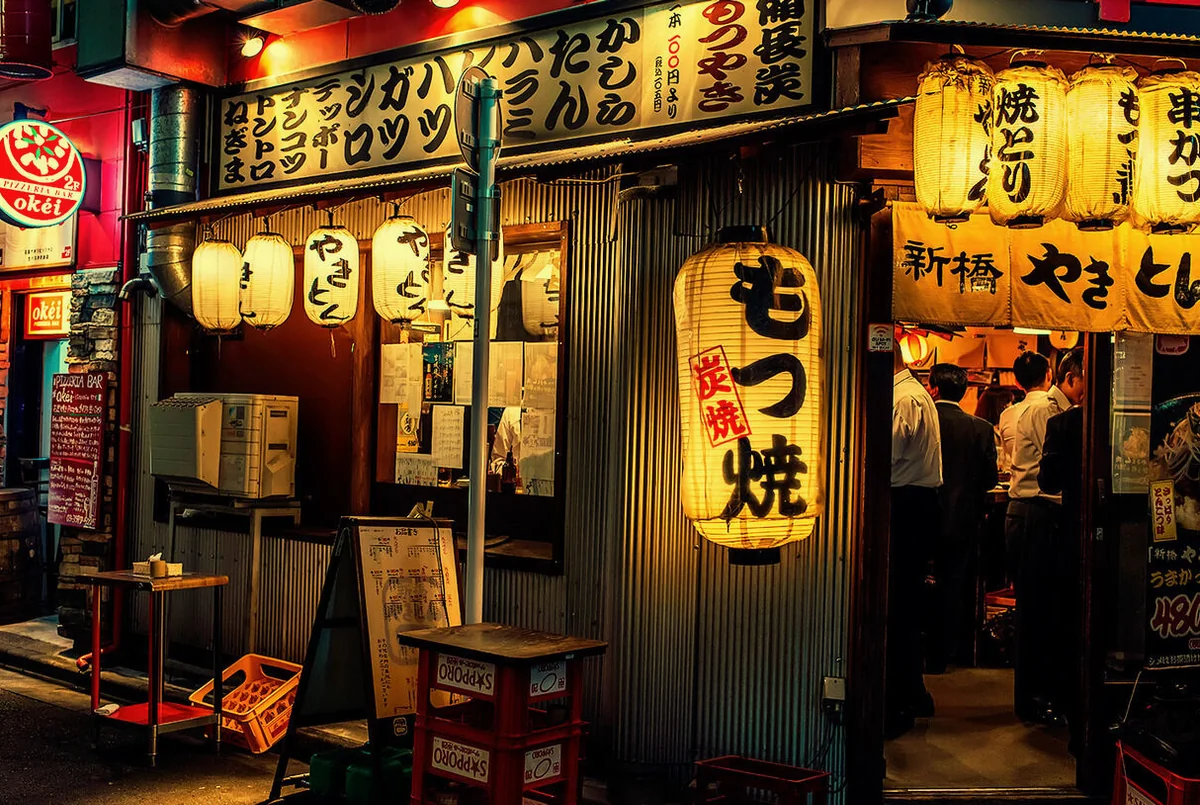
Shimbashi Food Tour: My Experience Navigating Tokyo's Salaryman Dining Scene The best meals in Tokyo are rarely found in the polished, tourist-heavy districts of Shibuya or Ginza. Instead, I find myself drawn to the grimy, neon-lit corridors under the train tracks at Shimbashi Station, where the true after-work culture of the Japanese salaryman thrives. My recent exploration of this area confirmed that while Tabelog ratings can be erratic, a score of 3.5 or higher in Shimbashi almost always guarantees a high-quality experience, provided you are willing to navigate tight standing bars and loud, smoke-filled izakayas. Whether it is the precise sear of a yakitori skewer or the deep, complex umami profile of a long-simmered oden broth, this district demands an adventurous appetite. During my visit, I discovered that the most authentic spots are often cash-only, require standing room, and offer menus that change with the seasons. If you want to understand the heartbeat of Japanese cuisine, you must look past the pristine storefronts and head straight for the G-Guard district.
The Art of Izakaya Hopping in Shimbashi
Izakaya hopping, or hashigo-zake, is the defining social activity of Shimbashi, allowing diners to sample small plates across multiple local restaurants in a single night. This practice is most efficient when focusing on the concentrated network of establishments located directly under the railway tracks near the station.
Finding Quality Yakitori and Oden
Authentic yakitori in Shimbashi is almost exclusively cooked over bincho charcoal, which imparts a specific woody aroma and high-heat sear that gas grills cannot replicate. When looking for the best skewers, I prioritize shops that specialize in fresh, free-range chicken and offer a variety of cuts, particularly the juicy tsukune (chicken meatballs) and the classic negima (chicken and scallion skewers).
"The true charm of Shimbashi lies in the hidden alleyway stalls where the atmosphere is as much a part of the meal as the food itself, offering a glimpse into the daily lives of local workers." For oden, the secret is in the dashi. A superior broth should be clear, golden, and layered with kombu and bonito notes that highlight the natural sweetness of the daikon radish. I have found that the daikon texture is the ultimate litmus test; it should be firm enough to hold its shape but tender enough to surrender instantly to a chopstick, having absorbed the savory dashi through hours of slow cooking. Remember to garnish your bowl with a small smear of karashi mustard to cut through the richness of the broth.
Practical Tips for Shimbashi Dining
Navigating the Shimbashi dining scene requires preparation, particularly regarding payment methods and timing, as many of the most famous establishments have limited seating and operate on tight margins. Most of these local gems are cash-only, so carrying sufficient yen is essential for a stress-free evening.
Managing Wait Times and Costs
The average wait time for a top-tier establishment in Shimbashi can range from 15 to 45 minutes during peak hours, which typically fall between 7:00 PM and 9:00 PM. Expect to pay roughly ¥3,500 to ¥5,500 per person for a full meal including drinks, though this can vary depending on your choice of local craft sake or seasonal menu items. If you are seeking a ramen fix, look for shops that allow you to customize your noodle firmness, specifically requesting katame if you prefer a bite to your noodles. While the Hyakumeiten list is a helpful starting point, do not hesitate to duck into a bustling standing bar if you see a crowd of locals; the quality of the food is often equal to, if not better than, the highly-ranked destinations.