I stood in the humid morning air for 43 minutes outside a tiny Asakusa tendon shop, purely to see if its 3.72 Tabelog score justified the hype. The tempura batter shattered perfectly upon impact, but the real revelation was the dark, intensely savory sauce coating the rice. Navigating the Tokyo culinary landscape requires more than just following crowds; it demands an understanding of how local rating systems actually function. A 3.5 on Tabelog is genuinely excellent, while anything above 3.8 usually guarantees a wait exceeding an hour. After three years of meticulously tracking ratings against actual flavor profiles, I have mapped out exactly where your yen is best spent across Tokyo's most notorious food districts.
Decoding Tsukiji Outer Market vs. Toyosu
The Tsukiji Outer Market remains Tokyo's premier destination for historic vendors and immediate consumption, while the Toyosu Market comparison shows the latter is strictly for modern wholesale operations. Expect the price per person at Tsukiji to range from ¥2,500 for casual snacking to over ¥12,000 for premium cuts.
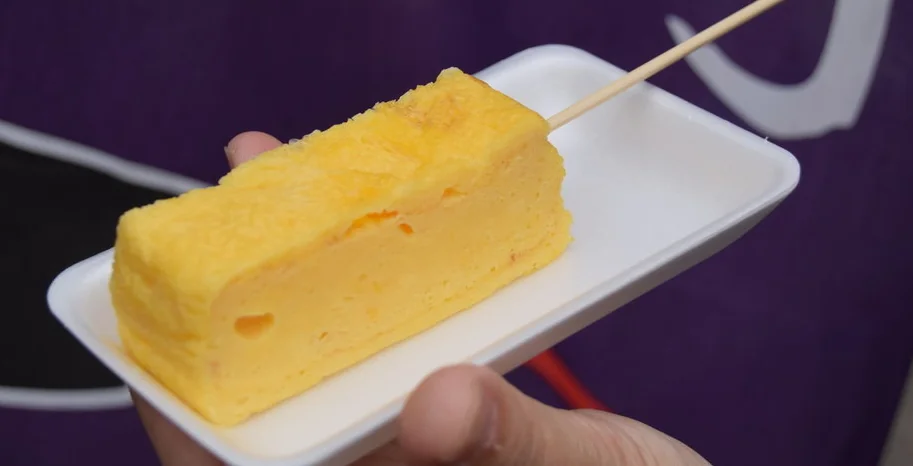
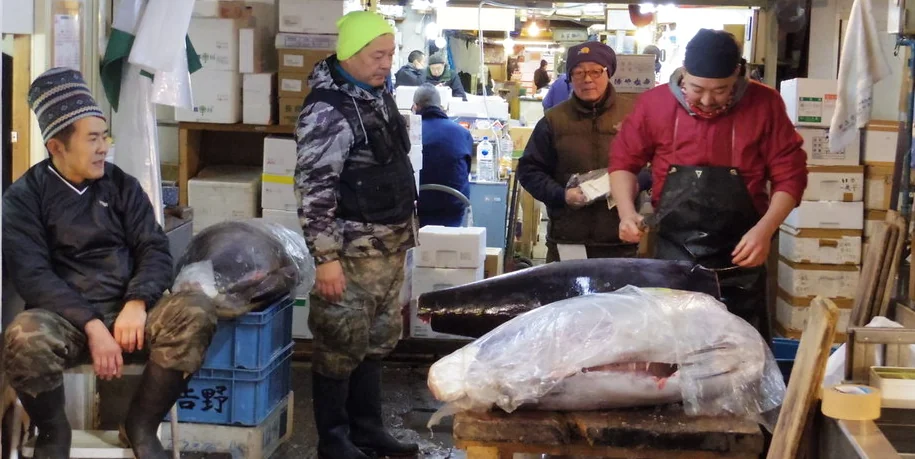
Watching merchants expertly break down massive fish reveals the stark difference between tourist traps and authentic purveyors. I recently spent three hours tracking down the best Bluefin Tuna Maguro here. The Otoroo and Chutoroo slices at my favorite six-seat counter melted instantly, leaving a rich, fatty residue that coated the palate. However, I must issue a strong warning about the Uni sea urchin sold in plastic cups along the main walkways. It is severely overpriced and often watery; you will find vastly superior quality at the Isetan department store basement for ¥800 less. Instead, bypass the sea urchin entirely and grab a ¥150 skewer of Tamagoyaki. The warm, sweet dashi broth seeping from the fluffy egg layers is the true taste of the market.
Strategic Seafood Sourcing
Optimal sourcing requires arriving before 8:15 AM and targeting specialized single-item vendors. My wait time analysis indicates that queues for popular stalls triple after 9:30 AM, severely cutting into your eating schedule.
Beyond raw fish, the seasonal seafood offerings provide incredible value when you know where to look. I found a small corner stall serving grilled scallops with butter that perfectly demonstrated umami concentration. The intense heat caramelized the edges while keeping the center tender and sweet. If you want a full meal, skip the massive tourist food halls entirely. Look for tiny establishments offering Edomae-zushi or abbreviated omakase dining experiences tucked into the narrowest alleys, where chefs still cure their fish using centuries-old techniques.
The Reality of Asakusa Senso-ji Environs
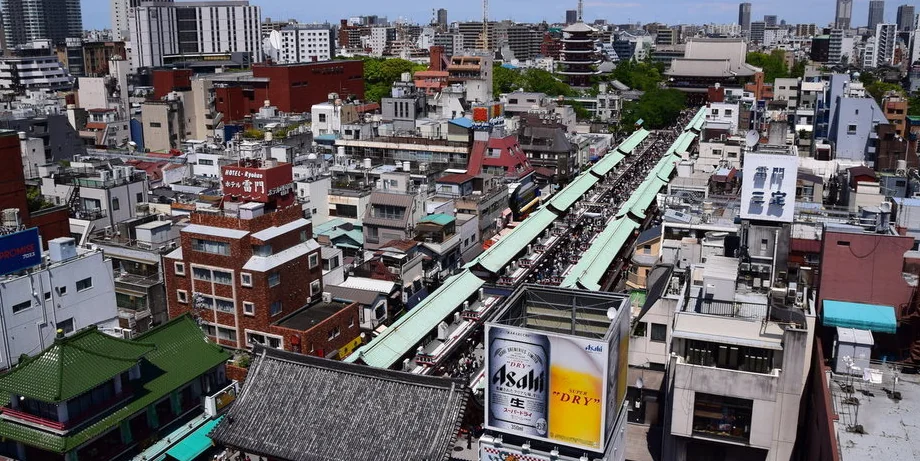
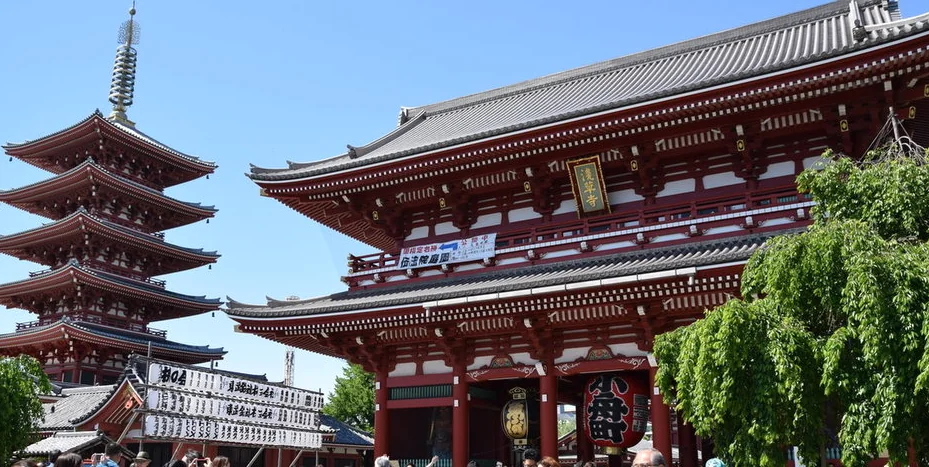
The area surrounding Asakusa Senso-ji offers a dense concentration of historical snacks, particularly along the bustling Nakamise-dori leading to the Kaminarimon Gate. Visitors typically spend ¥400 to ¥900 per snack while exploring the temple grounds.
Engaging in street food tabearuki (eating while walking) is technically frowned upon in Japan, so you must eat standing near the stall where you purchased the item. The freshly baked melonpan here is legendary—featuring a crispy cookie crust on the outside and steaming soft bread inside. Recently, vendors have started adding modern twists like mentai mayo toppings to traditional rice crackers. This creates an aggressive but satisfying salt profile that pairs exceptionally well with cold green tea from nearby vending machines.
Are Sit-Down Meals Worth the Queue?
Sitting down for a formal meal in this district guarantees higher quality but requires significant patience. Established venues routinely command wait times of 45 to 85 minutes during peak lunch hours.
When you tire of standing, the area boasts several heavy hitters in traditional Japanese cuisine. I waited 65 minutes for a bowl of traditional unagi over rice, and the charcoal smoke infused into the eel fat made every minute worthwhile. You can also find incredible sukiyaki and rich, pork-bone ramen spots hidden just two streets away from the main tourist drag. Several of these unassuming local restaurants hold a prestigious Michelin Bib Gourmand designation, serving world-class meals for under ¥3,000.
Evaluating Guided Japan Food Tours
Booking a structured culinary walking tour [1] effectively bypasses language barriers and provides access to hidden menus. These guided experiences typically last around three hours and cost approximately ¥14,500.
After attempting to navigate these dense culinary hubs alone for years, I finally joined a formal expedition to see if they offered real value. The immediate benefit was context. Before booking any Japan food experience, consider these common hurdles solo travelers face:
- It is notoriously difficult to find the authentic local spots that residents actually frequent without Japanese language proficiency.
- There is a distinct lack of accessible information regarding the history of the markets and the deeper culture behind the dishes.
The official tour documentation accurately highlights the core benefit of walking with an expert:
Learn the basics of Japanese food culture.
We eventually transitioned away from the primary food stalls and walked toward Kappabashi Kitchen Town. Seeing the specialized knives and ceramics used to create the dishes we just consumed provided a brilliant concluding chapter to the morning.
| Logistical Component | Specific Metrics | Field Notes |
|---|---|---|
| Total Duration | 3.5 hours | Wear comfortable shoes; seating is exceedingly rare. |
| Culinary Inclusions | Guide fee, 4 distinct tastings | Provides enough caloric density to replace lunch. |
| Walking Route | Market perimeter to Kappabashi | Excellent transition from raw ingredients to professional tools. |
Understanding Tabelog mechanics and timing your visits perfectly will drastically improve your Tokyo dining experience. Skip the flashy signs, look for the faded noren curtains, and always prioritize specialized vendors over generalists. What was the most surprisingly accurate or entirely inaccurate restaurant rating you have encountered during your travels?
Frequently Asked Questions
Tsukiji Outer Market vs Toyosu: Which is better for a Japan food tour?
Tsukiji Outer Market is generally better for a food tour because it offers a traditional atmosphere and a wider variety of street food stalls compared to the clinical, modern setting of Toyosu. While Toyosu is the place to go for the early morning tuna auction and specific high-end sushi shops, Tsukiji allows you to graze on diverse Japanese cuisine like grilled scallops and wagyu skewers while exploring historic alleys. For most travelers, the vibrant energy of Tsukiji provides a much better culinary experience.