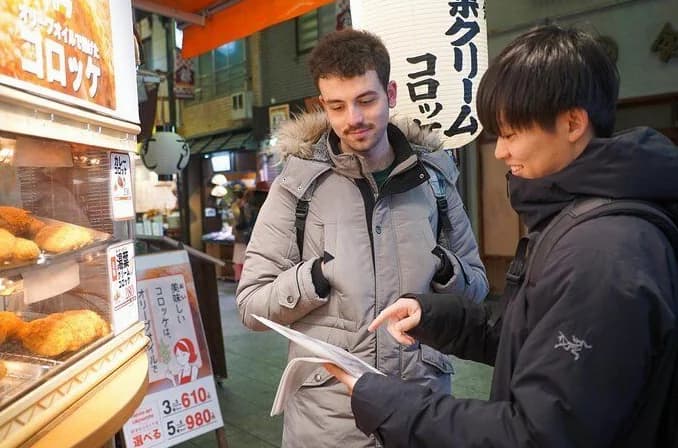
Arashiyama Kimono and Floral Footbath Experience: A Food Writer's Honest Review The biggest mistake visitors make in Arashiyama is underestimating the physical toll of a 6-hour culinary marathon. Last November, I spent an entire Tuesday tracking down a 3.62 Tabelog-rated yudofu restaurant, navigating cobblestone paths, and standing in endless queues. By hour four, my feet were entirely destroyed. When you combine intense walking tour logistics with traditional wooden sandals, you are setting yourself up for severe physical fatigue. That is exactly why combining your cultural dress rental with a dedicated recovery session is not just a luxury, but a genuine survival tactic for anyone serious about exploring the local food scene.
I recently tested a combined rental and spa package to see if it actually helps extend a day of eating. The reality is that traditional Japanese textiles and footwear drastically change how you navigate a city. While the aesthetic is beautiful, the practical limitations are severe. Here is exactly how this specific package impacts your ability to eat, walk, and actually enjoy western Kyoto.
Why a kimono and footbath package makes sense for food tours
Renting a kimono with a built-in footbath appointment saves your feet after hours of standing in street food queues. The traditional wooden sandals are notoriously uncomfortable, making the foot massage therapy essential for completing a full day of eating. Booking them together ensures you have a guaranteed recovery spot waiting for you.
Most tourists focus purely on the visual aspect of their outfit, completely ignoring geta footwear comfort. When you are hunting down the best Japan food across Arashiyama, you will inevitably end up walking from the Kimono Forest Randen Station all the way to the Sagano Scenic Railway terminal. That is over 4 kilometers of walking on uneven ground. The wooden thong of the sandal rubs aggressively between your toes. By the time you finish your morning snacks, you will be desperate to take them off.
This is where the Ashiyu footbath becomes critical. Instead of retreating to your hotel in defeat, a scheduled soak in warm, flower-filled water acts as a hard reset. The omotenashi service at these specialized cafes typically includes essential oils that specifically target swelling. I found that a 30-minute soak gave me exactly enough renewed energy to tackle the afternoon queues.
Surviving the Arashiyama food scene in traditional dress
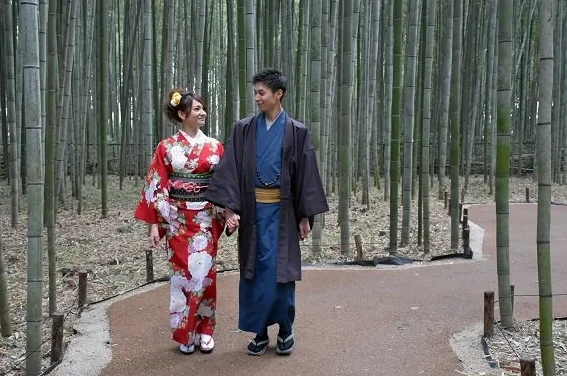
Navigating local restaurants in a tightly wrapped outfit requires strategic menu choices to avoid severe physical discomfort. Opting for lighter, digestible dishes ensures you can still breathe comfortably while wearing the rigid waist bindings. Eating a massive, heavy meal will instantly make you regret your clothing choice.
Tabelog restaurant scores in this area heavily favor traditional establishments over casual spots. A 3.5 on Tabelog is genuinely excellent here, usually indicating a master of a specific regional ingredient. However, these high-rated spots often require sitting on tatami mats, which completely changes your dining mechanics when dressed formally.
The reality of eating in a Komon kimono
Eating in a standard Komon kimono style means managing the restrictive Obi belt arrangement while attempting to sit gracefully at low tables. I highly recommend choosing restaurants with western-style chair seating rather than traditional floor cushions to prevent severe indigestion. The compression on your stomach is no joke.
When I sat down for a bowl of heavy pork-broth ramen near the station, I realized my mistake after just three bites. The thick obi belt acts like a corset. If you plan to eat high-volume meals like sushi platters or dense noodles, you will feel uncomfortably full twice as fast. Instead, you need to pivot your culinary strategy toward traditional Kyoto Kaiseki dining or lighter plant-based options that digest easily.
Best Tabelog-rated spots near the rental shops
The highest-rated dining spots near the main rental street typically focus on regional tofu specialties, averaging around 3.55 on local rating platforms. Expect to pay between ¥3,200 and ¥4,500 per person for a quality sit-down meal that won't leave you feeling overly stuffed.
For a comfortable lunch, I strongly suggest seeking out Yudofu boiled tofu or delicate Yuba tofu skin set meals. The gentle, warm dashi broth is incredibly satisfying but won't expand your stomach against the obi. One of my favorite stops was a small 12-seat restaurant near the Togetsukyo Bridge. The silken texture of their freshly scooped yuba was remarkable, tasting faintly of sweet soybeans, served with just a tiny dab of freshly grated wasabi. It is the perfect Japanese cuisine for this specific situation.
The Ashiyu footbath: Recovery after the bamboo grove
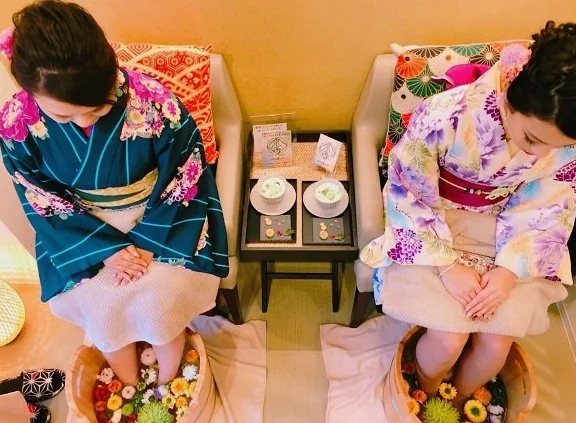
The floral footbath session provides 30 minutes of targeted relief using hot water infused with seasonal botanicals. It effectively reduces the inflammation caused by walking miles across uneven temple grounds and dense forest paths. This recovery period is crucial before starting your evening itinerary.
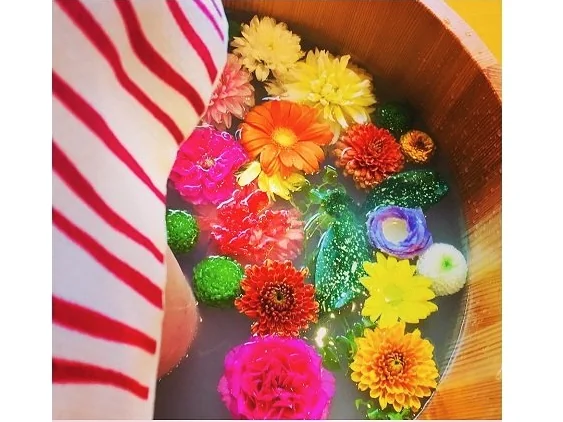
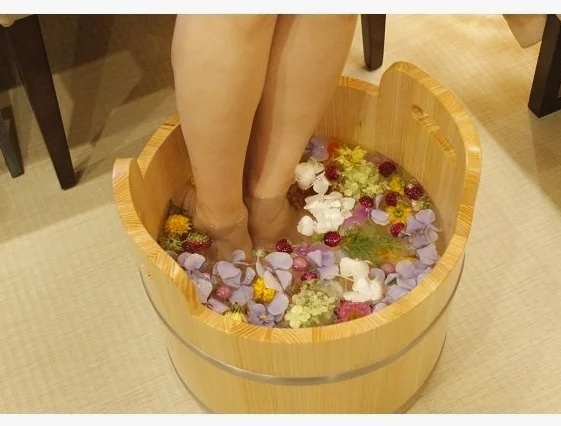
After navigating the massive seasonal peak crowds at the Arashiyama Bamboo Grove and walking the expansive Tenryu-ji Temple garden, your calves will be burning. The footbath experience I booked [1] featured a deep wooden tub filled with floating orchids and chrysanthemums. The temperature was kept at a steady 41 degrees Celsius, which felt shockingly hot for the first 15 seconds before melting the tension out of my arches.
While soaking, they serve excellent Matcha desserts. Unlike the overly sweet, watered-down versions sold on the main street, the matcha here was deeply earthy with a sharp, astringent finish that cut perfectly through the sweetness of the accompanying wagashi tea ceremony sweets. It is a highly efficient way to check off a dessert stop while simultaneously treating your blisters.
Managing your itinerary and rental price packages
Standard rental price packages typically start around ¥4,200, but adding the floral footbath pushes the total to approximately ¥6,800. Booking a combined package saves both money and the immense frustration of trying to secure a walk-in spa appointment during peak tourist hours.
Timing is everything. If you are aiming for Sakura viewing spots in spring or Autumn foliage photography in November, you must book the earliest morning slot available. The street food wait times for popular items like wagyu skewers or matcha croquettes easily exceed 45 minutes by noon.
- Book your rental for 9:00 AM sharp to secure the best fabric patterns.
- Schedule your footbath for 2:30 PM, right when the mid-day fatigue peaks.
- Skip the Hozugawa river cruise if you have dinner reservations, as delays are frequent.
- Map out 3-4 food stops within a 1-kilometer radius to minimize geta walking distance.
- Bring small bandages in your bag; the rental shops do not provide them for your toes.
experiencing Arashiyama in traditional dress is visually stunning but physically demanding. By leaning into lighter local meals and strategically utilizing an Ashiyu footbath, you can actually enjoy the food scene without ending the day in pure agony. Have you ever tried navigating a food tour in wooden sandals?
Frequently Asked Questions
Is the Kyoto Arashiyama Kimono Rental & Floral Footbath Experience worth it?
Yes, it is highly worth it because it combines traditional cultural immersion with essential physical recovery after walking the Arashiyama Bamboo Grove. A typical package usually costs between 5,000 to 8,000 JPY, depending on the kimono quality and massage duration. While standalone rentals are cheaper, the added 'Ashiyu' footbath and foot massage are invaluable for relieving fatigue caused by traditional wooden sandals. It ensures you can comfortably enjoy local Japanese cuisine like ramen or sushi later in the day without foot pain.
How long does the Kyoto Arashiyama Kimono Rental & Floral Footbath Experience take?
You should budget approximately 90 minutes to 2 hours for the initial fitting and relaxation session. The kimono dressing and hairstyling usually take 45–60 minutes, while the floral footbath and foot massage typically last around 30 minutes. Once ready, you are free to explore landmarks like the Togetsukyo Bridge until the shop's return deadline. Planning this early in the morning is recommended so you have the rest of the day to explore the best local restaurants and Yudofu spots in Arashiyama.
Where is the best place for a Kyoto Arashiyama Kimono Rental & Floral Footbath Experience?
The best shops are located near the Randen Arashiyama Station, specifically those adjacent to the famous Kimono Forest. These locations offer the most convenient access to both the station's Ashiyu footbath and the scenic walking paths of the Arashiyama Bamboo Grove. Look for rental providers that specifically advertise a 'Floral Footbath' for the best photo opportunities. Choosing a shop in this central hub makes it easy to transition from your photoshoot to a hot bowl of ramen or traditional Japanese cuisine nearby.
Do I need to book the Kyoto Arashiyama Kimono Rental & Floral Footbath Experience in advance?
Online reservations are highly recommended, especially during the busy cherry blossom and autumn foliage seasons. Booking in advance guarantees your preferred kimono design and secures a specific time slot for your foot massage, which prevents long waits in crowded tourist areas. Most reputable shops offer easy booking via their websites or travel apps. This is a crucial step if you have a tight itinerary that includes visiting the Togetsukyo Bridge or attending a reserved Yudofu boiled tofu lunch.
Are there any downsides to the Kyoto Arashiyama Kimono Rental & Floral Footbath Experience?
The main downside is the restrictive nature of the kimono and traditional socks, which can make walking long distances to local restaurants challenging. While the foot massage provides significant relief, the tight obi belt may feel uncomfortable if you plan on eating a large meal of Japanese cuisine or Yudofu immediately after. To avoid this, it is best to schedule your footbath and massage session after you have finished your main walk through the Arashiyama Bamboo Grove but before your final dinner.