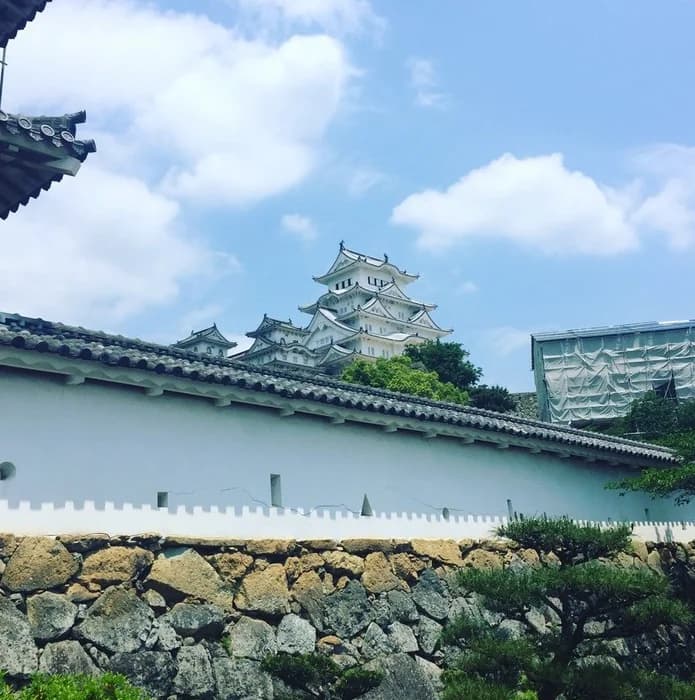
The Ultimate Kobe Day Trip Itinerary: A Data-Driven Food and Routing Guide Most travelers treat Kobe as an afterthought to Osaka, arriving with vague plans to eat beef and look at the port. This usually results in spending ¥20,000 on mediocre tourist-trap wagyu and wasting 3 hours walking in circles. A successful Kobe day trip requires surgical precision: securing lunch course pricing instead of dinner, and understanding that Tabelog scores above 3.6 here mean serious business. My data-driven approach focuses on actual taste and efficient routing, skipping the fluff to prioritize genuine Kansai regional cuisine and perfectly marbled beef. Here is exactly how I structure a 9-hour food tour itinerary in this port city.
How to plan the perfect Kobe food tour itinerary?
A flawless food tour itinerary hinges on grouping your stops logically around Sannomiya Station and the harbor area. You must balance heavy meals with walking routes to avoid mid-day fatigue.
When organizing a Japan food trip in this specific region, travelers consistently run into the same logistical walls. Let's address the two biggest hurdles when planning this trip:
- Difficulty in figuring out efficient movement routes between the steep northern hills and the southern harbor.
- Finding reasonably priced Kobe Beef restaurants instead of expensive tourist traps aimed at foreigners.
Using the Hanshin Tourist Pass saves you about ¥450 on the round trip from Osaka, but its real value is skipping ticket queues. I always activate this pass early to maximize time on the ground.
Navigating from Sannomiya Station to Kitano Ijinkan-gai
The walk from Sannomiya Station to Kitano Ijinkan-gai takes exactly 14 minutes uphill. The area is known for its Western-style architecture, but the real draw is the cluster of high-end pastry shops hiding in the side streets.
Skip the overpriced cafes on the main street. I found a small Japanese patisserie where the wait times hover around 25 minutes, but the texture of their mille-feuille is astonishingly crisp. The butter they use has a distinct, rich profile that rivals anything I have eaten in Tokyo.
Where to find authentic Kobe Beef without the tourist markup?
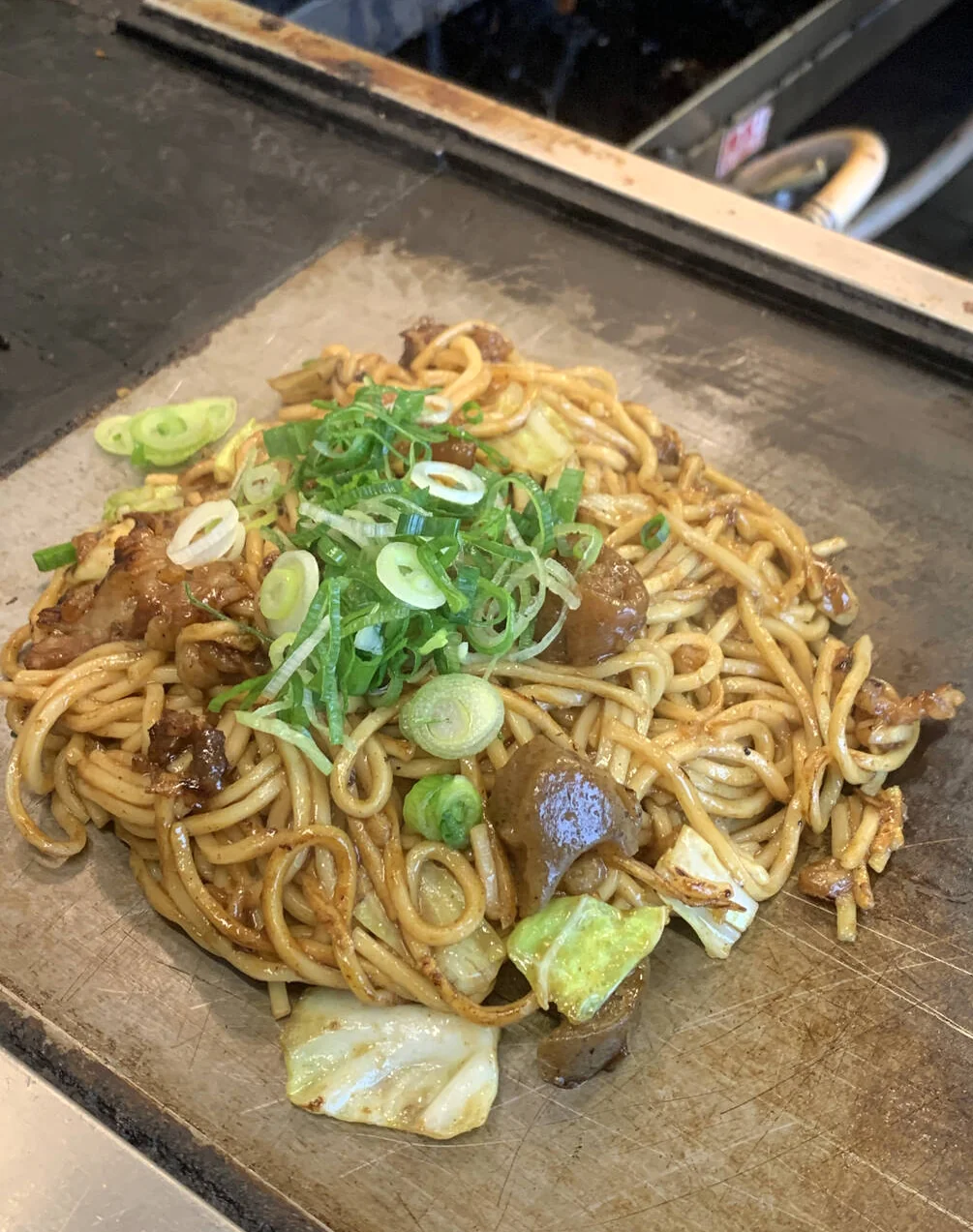
To find authentic Kobe Beef at a fair price, you must target lunch services between 11:30 AM and 1:30 PM. Expect to pay around ¥7,500 to ¥9,000 for a quality lunch set, compared to ¥18,000 or more for the exact same cut at dinner.
Let's talk about A5 Wagyu grading and the Marbling Score BMS. A BMS of 10-12 means the fat literally begins to melt at room temperature. At Misono Kobe, the legendary Teppanyaki spot, they sear the beef on a thick iron plate. The medium-rare cuts arrive in a cast iron pan alongside crispy garlic chips, offering a sharp, pungent contrast to the overwhelmingly rich fat.
However, there are downsides. The strict reservation lead time means you need to book at least 3 weeks in advance. Additionally, their exhaust fans struggle during peak hours, so your clothes will smell like roasted beef fat for the rest of the day. I usually pack a fabric spray specifically for this reason.
Local izakaya and Kansai regional cuisine alternatives
If you cannot secure a beef reservation, pivot to a local izakaya serving everyday Kansai regional cuisine. These spots offer deeper insight into daily Japanese cuisine than luxury steakhouses.
Tabelog scores work differently from Google ratings. A 3.5 on Tabelog is genuinely excellent. I visited a spot with a 3.62 rating specializing in Bokkake yakisoba and skewers grilled over Binchotan charcoal. The yakisoba features chewy beef tendon and crisp cabbage tossed in a deeply savory, salty sauce, steaming violently on the teppan right in front of you.
Nagata-honjoken is a local-focused restaurant.
This assessment is entirely accurate. You won't find an English menu, and the umami profile of their tendon stew is intensely dark and rich, far removed from the sweeter sauces aimed at tourists. It costs just ¥950 for a plate that outshines most high-end meals.
What are the best afternoon stops for Japanese cuisine and drinks?
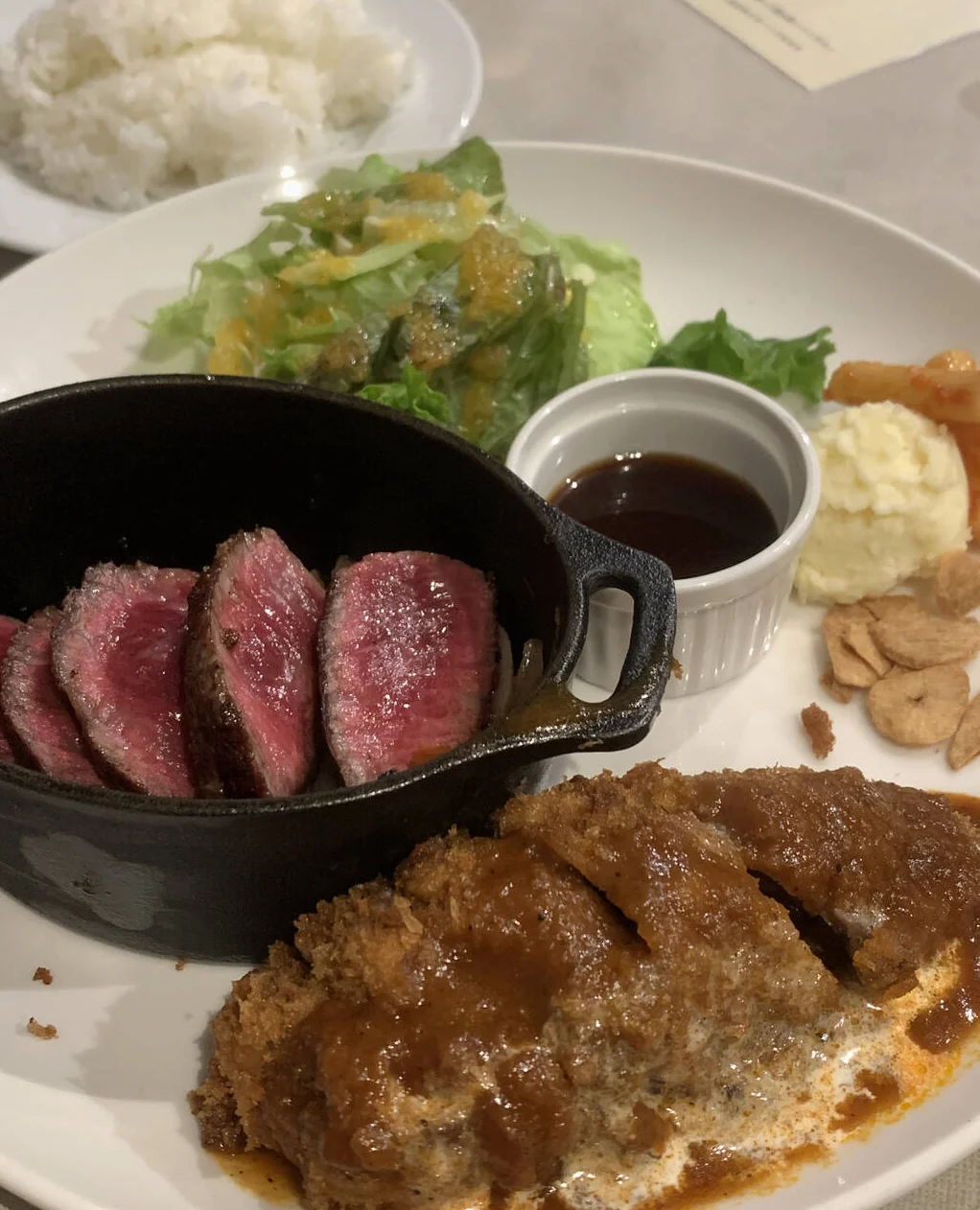
The best afternoon stops involve exploring the Nada Sake District for brewing history and Nankinmachi Chinatown for street food contrast. These areas provide a necessary break from the heavy lunch calories.
Nada Sake District is a 12-minute train ride from the center. I paid ¥1,200 for 3 sake tasting flights at a local brewery. The cold, unpasteurized sake had a sharp, clean finish that completely reset my palate after the heavy beef fat.
Later, walking through Nankinmachi Chinatown, the contrast is stark. While you might be tempted by the street-side ramen or sushi stalls, I suggest saving your stomach. The quality here is inconsistent, often relying on heavy seasoning rather than traditional broth building. Stick to the visual experience rather than the culinary one here.
Exploring Meriken Park and Nunobiki Herb Gardens
Meriken Park offers iconic harbor views, while Nunobiki Herb Gardens provides a mountain-top retreat accessible by ropeway. Both require about 90 minutes each to explore properly without rushing.
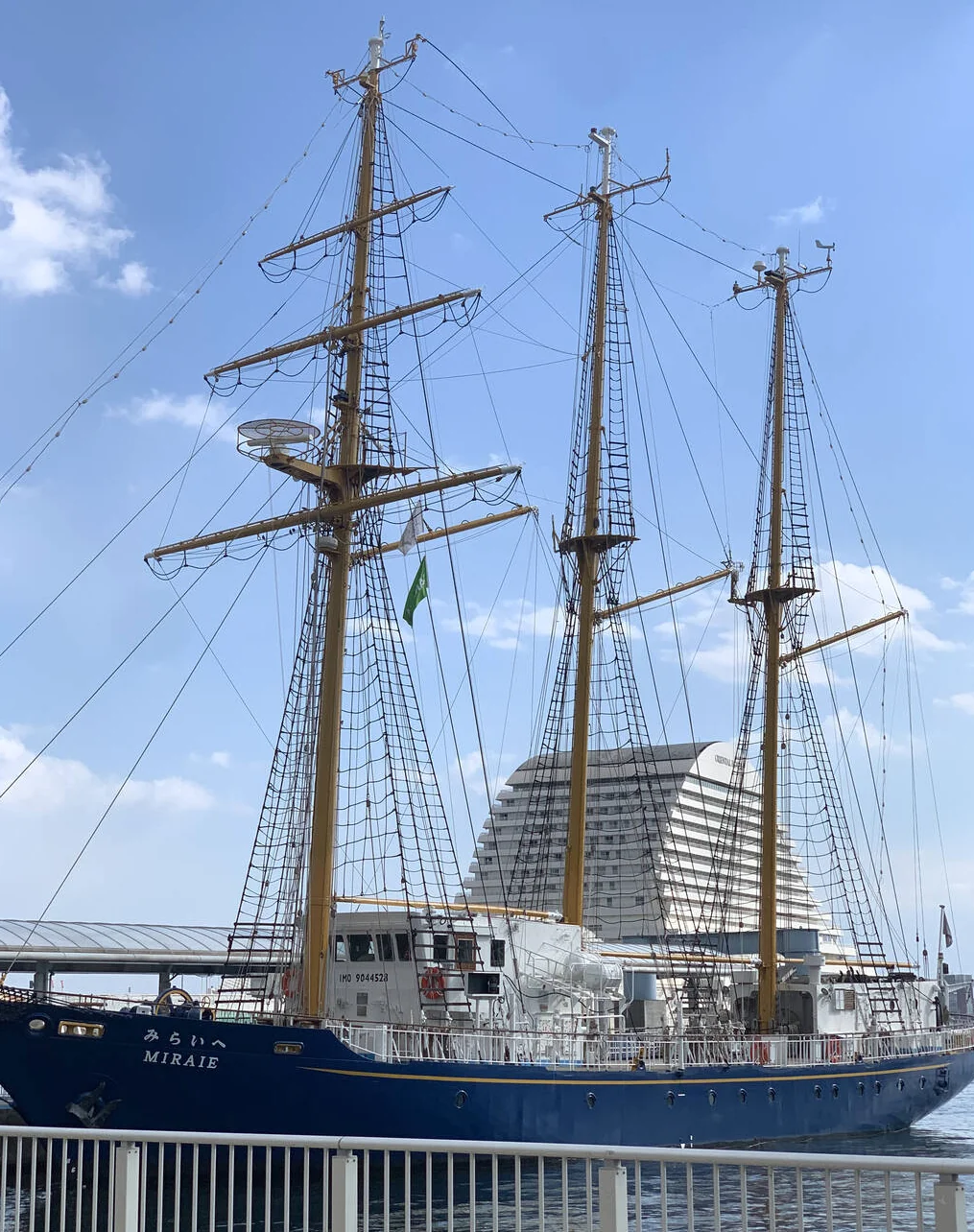
Walking into Meriken Park, the blue expanse of the port opens up, framed perfectly by the Sailboat Miraie and the Oriental Hotel. The Kobe Port Tower stands out, though the ¥1,000 entry fee for the observation deck feels slightly steep for the view provided. I prefer staying at ground level to enjoy the sea breeze.
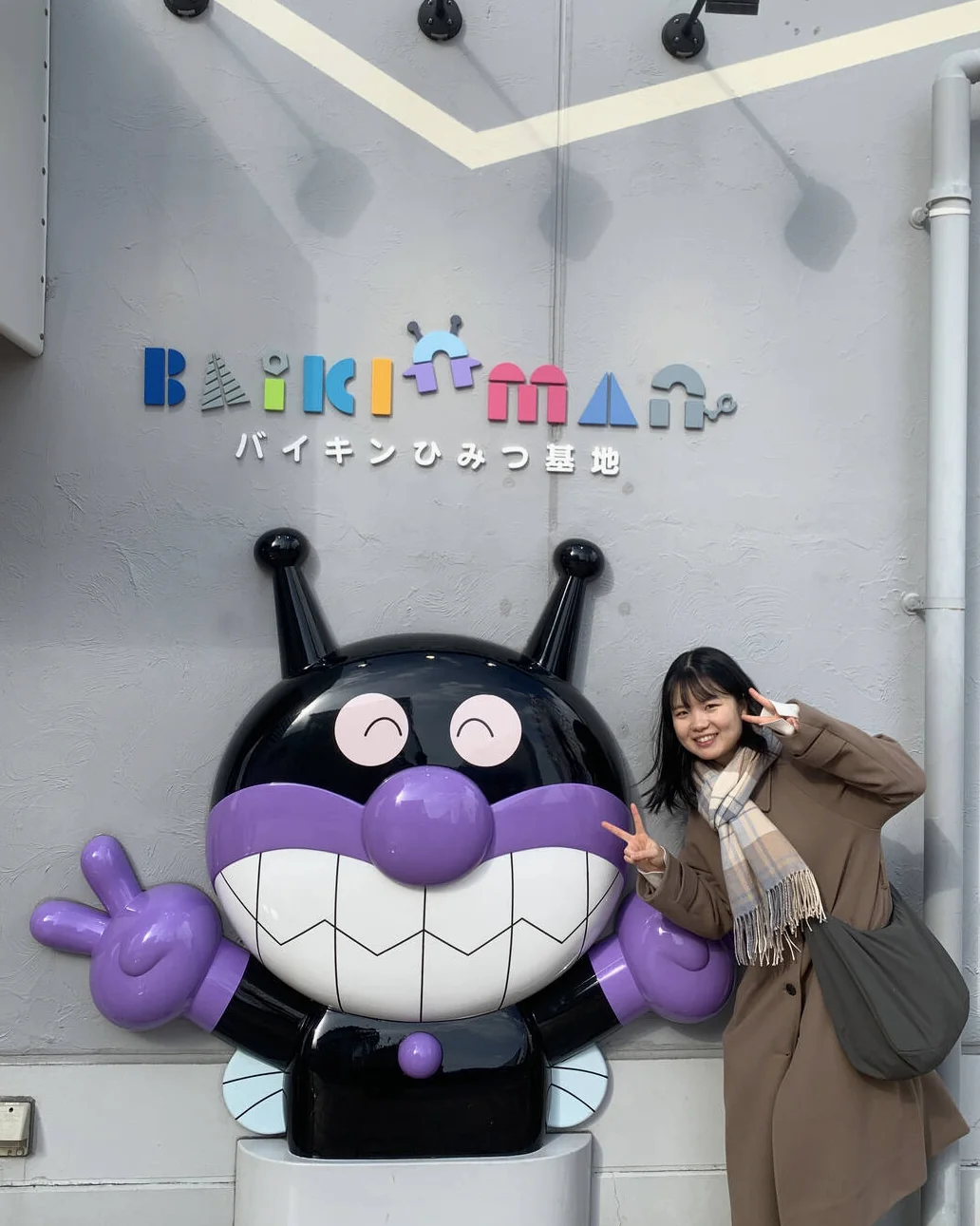
Further down, near the Anpanman Children's Museum, you will spot the giant Baikinman statue. Inside the bakery, the character breads are surprisingly good. The texture is incredibly fluffy, proving it is not just a visual gimmick but a properly baked good.
Kobe Day Trip Comparison: Standard vs Food-Focused
A standard tourist route wastes time in queues, while a food-focused itinerary prioritizes reservation management and strategic eating times. Here is how the approaches differ fundamentally.
| Itinerary Focus | Standard Tourist Route | My Food-Focused Route |
|---|---|---|
| Primary Meal | Walk-in steakhouse (¥15,000+) | Pre-booked lunch course (¥8,500) |
| Afternoon Activity | Crowded Chinatown streets | Nada Sake tasting & local bakeries |
| Dinner Choice | Generic sushi or ramen | Bokkake yakisoba at a 3.6+ Tabelog spot |
Frequently Asked Questions
These are the most common questions travelers have when finalizing their local restaurants and routing logistics. Proper preparation prevents wasted hours on the ground.
Q: What age is the Anpanman Museum suitable for?
A: It is recommended for children around 5 years old. Even just visiting the first-floor store, which is a free zone, is enough to fully enjoy the experience and grab the surprisingly high-quality character breads.
Q: Is a reservation required for the Kobe Cruise?
A: While on-site purchases are possible, it is highly recommended to make an online reservation in advance to guarantee your spot, especially during weekend sunset sailings.
A 9-hour Kobe trip is a masterclass in prioritization. By targeting specific lunch hours for A5 Wagyu, utilizing Tabelog for local joints, and balancing the heavy meals with the sea breeze at Meriken Park, you extract the actual value of this port city. Bookmark your reservations early, skip the generic tourist lines, and focus entirely on the quality of what is in your bowl.