Booking a private van for a Hyogo Prefecture food tour is not merely about air-conditioned comfort; it is a calculated logistical move to bypass 45-minute train transfers and hit high-ranking Tabelog restaurants before the lunch rush depletes their inventory. I recently tested a day trip itinerary covering Kobe and Himeji Castle utilizing private 8-seater van logistics. While the upfront booking cost is undeniably steeper than a standard regional rail pass, saving over two hours of dead transit time allowed our group to secure a counter seat at a 3.6 Tabelog-rated beef specialist without a prior reservation. This breakdown analyzes the gourmet travel data, exact wait times, and the actual culinary quality you can expect when navigating this specific route.
Why Private Transport Alters the Dining Schedule
Using a private vehicle for regional Japanese travel eliminates the rigid schedules of public transit, allowing you to optimize your route around specific restaurant opening times. This flexibility is absolutely crucial when targeting popular local restaurants that simply refuse to accept group bookings during peak hours.
While many tourists default to grabbing standard ramen or sushi near the major train stations, having a dedicated driver meant we could access neighborhood establishments hidden away from the main pedestrian arteries. When organizing this trip, I noted two major friction points that the van resolved:
- The sheer hassle of navigating multiple train transfers while managing a group's varying hunger levels.
- The difficulty of visiting multiple distant attractions within a tight 9-hour window without sacrificing meal quality.
Evaluating Group Transportation for Food Tours
Assessing the true value of a private van requires looking at the opportunity cost of standing in transit queues versus sitting in a dining room. For a group of six to eight people, the per-person cost difference between train tickets and a van split is surprisingly narrow.
When compiling restaurant reservation tips for group transportation Kobe lunch deals, I always advise aiming for an 11:15 AM arrival at your chosen venue. The van allowed us to leave Osaka exactly when we needed to, pulling up to the restaurant just as the chef was prepping the iron griddle. No sprinting through stations, no sweating before a premium meal.
Himeji Castle and Local Eats: Beyond the Architecture
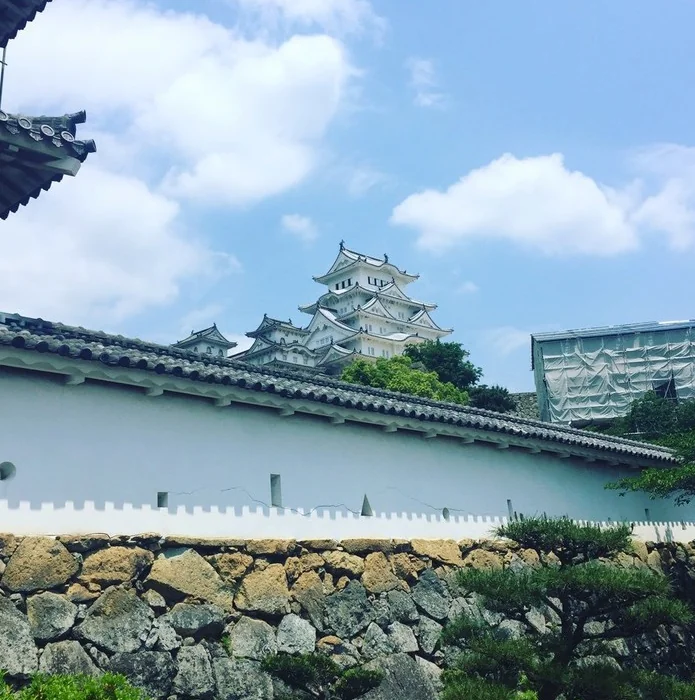
Touring the main keep of Himeji Castle takes roughly two hours, leaving you perfectly positioned for a late morning snack before the main lunch crowd descends. The immediate area surrounding the fortress is far better known for its conger eel and historic tea houses than contemporary Japanese cuisine.
Walking up the main approach, the visual impact of the massive white keep and its intricate stone walls rising against the blue sky is striking. The preservation here is remarkable, and the historical context adds weight to the visit.
According to the tour specifications, Himeji Castle boasts over 400 years of history. After navigating the steep wooden stairs of the White Heron Castle, you will likely be hungry. I strongly suggest skipping the immediate souvenir shop cafes near the exit. Instead, we walked 12 minutes to an unassuming local shop rated 3.4 on Tabelog to assess their offerings.
Navigating Wait Times Near the Koko-en Garden Tea House
The traditional tea house located inside the adjacent Koko-en Garden typically requires a 15 to 20-minute wait during peak afternoon hours. A standard matcha set here costs ¥500 and provides a necessary, quiet respite from the heavy foot traffic of the main castle grounds.
We opted for this lighter option before our heavy beef lunch. The omotenashi service was precise and deeply traditional, though the matcha itself was fairly standard in its bitterness. It serves its purpose as a palate cleanser, but do not expect a life-altering cup of tea. The real value is the view of the meticulously raked gravel and koi ponds.
Demystifying Kobe Beef Teppanyaki: Tabelog Scores vs Reality
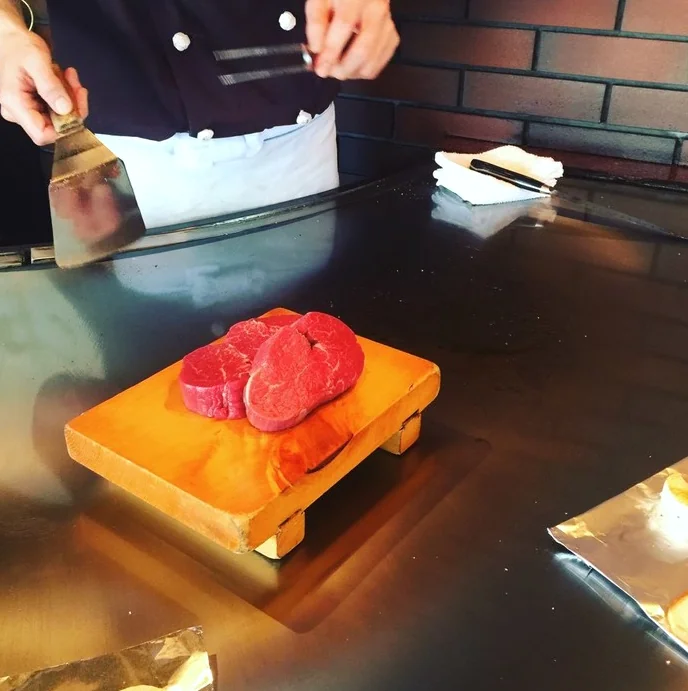
A genuine Kobe Beef Teppanyaki lunch at a highly-rated venue generally costs between ¥6,000 and ¥12,000 per person, depending on the cut. You are paying a premium for strict Kobe-gyu certification and the chef's precise temperature control on the teppan.
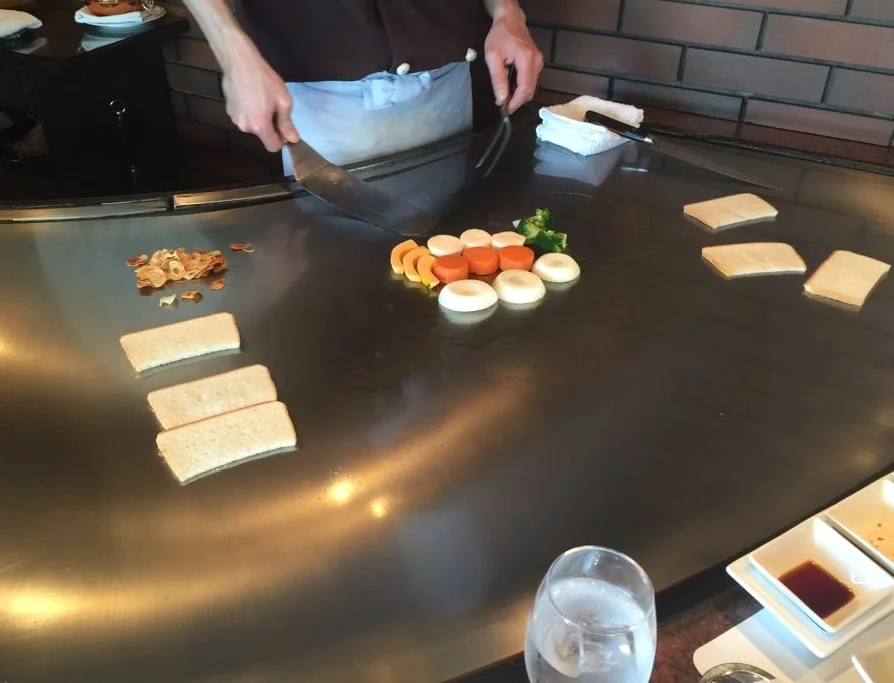
We arrived in the city center right at 11:30 AM. The presentation of the raw meat is a standard ritual across these establishments: a block of bright crimson A5 rank Wagyu resting on a wooden cutting board, proudly displayed before hitting the 200-degree iron. The chef began by searing seasonal vegetables and crisping garlic chips, which acted as a textural contrast to the incredibly soft meat to come. The tour itinerary typically allows about 90 minutes for this meal, which is exactly the right amount of time to eat without feeling rushed.
Decoding the Marbling Score and Authentic Dining Experience
The marbling score dictates the exact fat-to-meat ratio, with A5 representing the absolute highest level of intramuscular lipid density. This creates a texture that literally dissolves on the tongue, but it can quickly feel overly rich after consuming just 100 grams.
The chef seared our cuts to a precise medium-rare, finishing them with a heavy pinch of coarse salt to cut through the intense richness. However, here is my honest downside to this much-hyped meal: if you order a full 150g portion of pure A5, the fat becomes overwhelmingly heavy by the last few bites, coating your palate in a way that diminishes the flavor. I highly recommend splitting one A5 cut and one leaner red meat cut with a travel partner to balance the meal. Our price per person (JPY) landed at ¥8,500. It was a fair price for the verifiable quality, but the mandatory ¥500 seating charge per person was an annoying, poorly communicated surprise.
Afternoon Tastings: Nada Sake District and Chinatown
The Nada Sake District offers historical brewery tours and fresh pours, while Nankinmachi Chinatown provides rapid snacking opportunities in a highly condensed area. Visiting both distinct neighborhoods in a single afternoon requires strict time management, which is usually only feasible with private transport.
After the heavy beef lunch, we drove 15 minutes east to the brewery zone. The air in the tasting room was cool and smelled faintly of fermented rice and cedar. Following the brewery, the van dropped us directly at the entrance of Chinatown, saving us a 20-minute walk from the train station.
Sake Brewery Tasting and Umami Flavor Profile
A standard brewery tasting flight in the Nada area costs around ¥1,000 for three distinct, generous pours. The unpasteurized namazake offers a sharp, fruity umami flavor profile that pairs exceptionally well with local seasonal ingredients.
We sampled a dry ginjo that cleared the heavy beef fat from our palates completely. The tasting room staff were knowledgeable, pouring exact measures and explaining the polishing ratios. Over in Chinatown, the Japanese street food scene is heavily localized to suit domestic tastes. We purchased steamed pork buns for ¥300 each. They were served piping hot and heavily seasoned, but waiting 25 minutes in the central square's longest queue was absolutely not worth the standard flavor. Always look for the stalls with a 5-minute wait; the quality difference is negligible.
Evening Eats: Kobe Harborland Dining
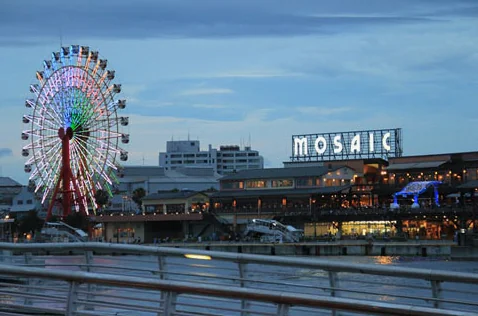
Dining at Kobe Harborland offers spectacular night views of the illuminated Ferris wheel and the waterfront, but the surrounding restaurant prices carry a 15 to 20 percent scenic premium. It is best utilized for light appetizers and drinks rather than your primary, budget-conscious meal.
As night fell, our driver parked near the water. The view of the rainbow-lit Ferris wheel against the dark harbor and the Mosaic building is undeniably photogenic. However, the restaurants inside the main complex cater almost exclusively to tourists. We skipped the overpriced chains and instead walked ten minutes to a small, independent izakaya just outside the main mall footprint.
| Logistical Component | Financial & Time Cost | Gourmet Impact |
|---|---|---|
| Private Van Transport | Base tour fee split by 8 | Enabled access to 3.5+ Tabelog spots off the rail lines. |
| Kobe Beef Lunch | ¥8,500 / 90 minutes | High marbling requires pacing; salt and garlic chips are essential. |
| Himeji Castle Entry | ¥1,000 / 120 minutes | Created the necessary caloric deficit for the heavy afternoon meals. |
| Nada Sake Stop | ¥1,000 / 45 minutes | Crucial acidic palate cleanser between beef and street food. |
Relying on a private van for this specific Hyogo route fundamentally changes the math on what you can consume in 9 hours. You are trading the budget-friendly nature of a regional train pass for the sheer ability to chase Tabelog-verified establishments without sweating over departure timetables. Just remember to book your teppanyaki lunch exactly at opening time, and resist the urge to over-order the A5 wagyu. What Tabelog rating do you consider the absolute minimum for a lunch detour?
Frequently Asked Questions
Is a private 8-seater van for a Kobe and Himeji day trip worth it?
A private 8-seater van is highly worth it for groups of five or more who want to maximize their time and comfort while exploring Hyogo. While more expensive than public transport, the van eliminates complex rail transfers, allowing you to visit Himeji Castle and enjoy a premium Kobe Beef Teppanyaki lunch in a single day. You avoid the stress of navigating Japanese train stations and can easily reach the Nada Sake District, which is often difficult to access quickly via public transit.
How much does an 8-seater van rental for a Kobe food tour cost?
The price for a private 8-seater van with a driver for a full-day Kobe and Himeji tour typically ranges from $550 to $850 USD. When split among a full group, the cost per person becomes competitive with express train tickets and local taxis. This fee generally includes door-to-door service from your hotel, which is a major advantage for those targeting high-end Japanese cuisine and A5 rank Wagyu spots that are tucked away from main transit hubs.
How do I secure a seat at a top Tabelog-ranked Kobe beef restaurant?
To secure a seat at a high-ranking Tabelog restaurant, you should book at least two weeks in advance through a reservation service or your hotel concierge. Many A5 rank Wagyu specialists in Kobe have limited counter seating and strictly enforce reservation times. Utilizing a private van ensures you arrive exactly on time, avoiding the risk of losing your table due to train delays, which is a common issue for popular sushi and teppanyaki spots.
Can you see Himeji Castle and the Nada Sake District in one day?
Yes, you can comfortably visit both Himeji Castle and the Nada Sake District in one day if you use a private vehicle to bypass transit wait times. Using public transport often forces travelers to rush through the castle grounds to make it to the sake breweries before they close. With an 8-seater van, you can enjoy a leisurely morning at the castle and spend the afternoon tasting local Japan food and premium sake without watching the clock.
Are there any downsides to using a private van for a Kobe day trip?
The main downside to using a private van is the higher upfront cost compared to a regional rail pass. Additionally, while vans offer door-to-door service, they are still subject to highway traffic during peak Japanese holiday seasons. However, for most travelers focusing on a luxury food tour—including ramen, sushi, and teppanyaki—the ability to store shopping bags and travel in climate-controlled privacy far outweighs the potential for minor traffic delays on the Hanshin Expressway.