I stepped off the plane at Fukuoka Airport and immediately mapped out a 72-hour eating schedule focused entirely on Hakata and Tenjin. Forget the sprawling, generic travel guides; this itinerary is built on cross-referencing Tabelog scores above 3.5 with actual bowl-by-bowl testing. You will consume a lot of calories, wait in several lines, and experience the precise salt, fat, and umami ratios that define this city. The gastronomic route connecting the airport to the downtown hubs is incredibly compact, meaning less time on trains and more time at the counter.
Day 1: Hakata Tonkotsu Fundamentals and Izakaya Culture
Day one focuses on Hakata Station and its immediate surroundings, establishing a baseline for regional flavors. Expect heavy pork broths and soy-based offal stews, with an average daily food budget of ¥6,500 per person. Staying near the station allows you to drop your bags and immediately join a lunch queue.
- 3.0 to 3.2: The standard baseline. Perfectly acceptable for a quick meal without a wait.
- 3.5 to 3.7: Destination-worthy spots. Expect at least a 30-minute queue during peak hours.
- 3.8 and above: Elite tier. Requires strategic arrival times and potentially a 60-minute wait.
First Bowl: The True Hakata Ramen Experience
Authentic Hakata ramen requires a high tolerance for pungent pork aromas and a willingness to stand in line. A proper bowl here emphasizes a frothy, heavily emulsified broth rather than the clean soups found in Tokyo.
My first stop was Hakata Issou, sitting comfortably at a 3.72 on Tabelog. I waited 43 minutes outside in a line of mostly locals. The standard tonkotsu bowl costs ¥800. The broth had a cappuccino-like foam on top, delivering an aggressive, concentrated bone-marrow flavor with a remarkably high salt content that cut through the fat. The noodles were ordered barikata (very hard), providing a necessary snap against the rich liquid. However, the smell radiating from the exhaust fan outside is genuinely offensive, smelling heavily of unwashed farm animals. If you are sensitive to odors, this will ruin your appetite before you even sit down, though the soup itself tastes much cleaner than it smells.
Evening: Motsunabe with Local Office Workers
Dinner shifts to motsunabe, a staple of Japanese cuisine in this region, featuring beef intestines cooked in soy or miso broth. A standard meal with drinks typically costs around ¥3,200 per person.
I bypassed the massive tourist chains and found a 14-seat counter place near the Hakata exit. The intestines were incredibly fatty, melting immediately on the tongue, balanced by heaps of fresh garlic chives and a sharp soy sauce base. The temperature was boiling hot, served in a cast-iron pot that kept the broth reducing and intensifying as the night went on. Ordering a side of champon noodles to soak up the remaining liquid at the end is mandatory.
Day 2: Tenjin Seafood and Yatai Reality Check
Day two moves the route to Tenjin, transitioning from heavy meats to fresh seafood and street-level dining. This area requires more walking, but connects the major gastronomic hubs efficiently.
Lunch: High-Score Sushi Without the Ginza Price
Fukuoka offers exceptional sushi due to its proximity to the Genkai Sea, keeping prices surprisingly low. You can secure a premium omakase-level lunch for under ¥4,000 if you know where to look.
Hyotan Sushi (Tabelog 3.61) is a mandatory stop, though I endured a 55-minute wait on a Tuesday. For ¥3,200, the lunch set delivered cuts of yellowtail and horse mackerel that possessed a firm, almost crunchy texture unique to Kyushu seafood. The shari (rice) was served at body temperature, correctly seasoned with mild red vinegar. The major downside here is the pacing. The chefs churn out plates at breakneck speed, meaning you are essentially eating on a stopwatch. It is absolutely not a relaxing dining experience, but the fish-to-price ratio justifies the rush.
Dinner: Navigating Local Restaurants and Street Stalls
Yatai (street stalls) offer a romanticized view of Japan food culture, but require careful navigation to avoid overpriced, mediocre dishes. The best strategy is to eat a proper dinner first, using the stalls strictly for drinks and light snacks.
After dining at a few local restaurants for chicken mizutaki, I hit the Nakasu yatai area. Expect to pay around ¥2,500 for a beer and a few skewers. The atmosphere is loud and communal, but the actual food quality rarely exceeds a 3.0 Tabelog rating. Stick to simple grilled items; the complex dishes often suffer from the lack of proper kitchen equipment in these tiny mobile setups.
Day 3: Refining the Palate Before Departure
The final morning is reserved for lighter, digestion-friendly regional specialties before heading back to the airport. The focus shifts to soft textures and clear, dashi-driven broths.
Breakfast: Hakata Udon Sourced Locally
Hakata udon features extremely soft, almost mushy noodles designed to absorb the maximum amount of broth. A morning bowl topped with crispy burdock root usually costs around ¥650.
Unlike the chewy Sanuki style, these noodles break apart easily in the mouth. The broth, a delicate mix of flying fish (ago) dashi and light soy, provides a gentle, savory warmth that resets the stomach after two days of heavy eating. It is the perfect operational cool-down before boarding a flight.
| Item | Content |
|---|---|
| Primary Transit | Subway (Kuko Line connects Airport, Hakata, Tenjin) |
| Estimated Food Budget | ¥18,000 - ¥22,000 per person (3 days) |
| Average Wait Times | 45-60 minutes for 3.5+ Tabelog spots |
| Dining Focus | Tonkotsu, Motsunabe, Genkai Seafood, Udon |
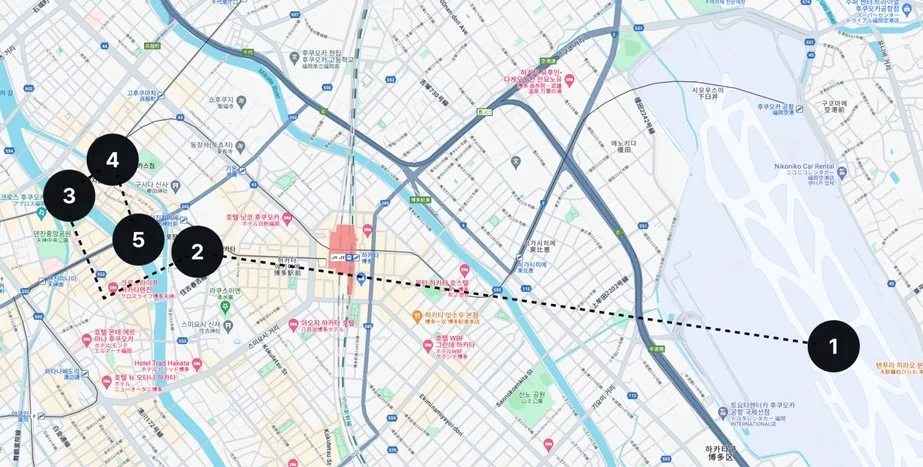
When planning a condensed trip, routing efficiency is just as important as the restaurant selection. Based on information from MyRealTrip:
This itinerary successfully includes all major spots in downtown Fukuoka, ensuring you maximize dining opportunities without wasting time on transit. This 72-hour route prioritizes actual flavor data over aesthetic appeal. By cross-referencing Tabelog scores and accepting a few compromises on ambiance and wait times, you can experience the absolute peak of Fukuoka's culinary engineering. Skip the hotel breakfast, wear comfortable shoes, and prepare to wait in line.
Frequently Asked Questions
How much does a 3-day Fukuoka trip cost on average?
A standard 2-night, 3-day Fukuoka trip typically costs between $400 and $700 per person, excluding international airfare. This budget comfortably covers mid-range hotels in Hakata or Tenjin, local transportation, and several high-quality meals featuring authentic Japanese cuisine. If you plan to indulge in premium sushi omakase or extensive shopping, we recommend budgeting an additional $200. Fukuoka is generally more budget-friendly than Tokyo or Osaka, offering excellent value for food-focused travelers.
Is Fukuoka better than Osaka for a short 3-day food trip?
Fukuoka is often better for a 3-day trip because the city layout is incredibly compact, meaning you spend less time on trains and more time at local restaurants. While Osaka is famous for variety, Fukuoka offers a more specialized experience centered on Hakata tonkotsu ramen, Motsunabe, and incredibly fresh seafood. The short 15-minute transit from the airport to downtown allows you to maximize every hour of your 2-night stay compared to the longer commutes in Osaka.
Is 2 nights and 3 days enough time to see Fukuoka?
Yes, 3 days is the perfect duration to see the main city highlights and enjoy the best local restaurants. Because the major hubs of Hakata and Tenjin are so close together, you can easily fit in cultural visits to Kushida Shrine and Ohori Park alongside a packed eating schedule. This timeframe allows for a relaxed pace while still covering the essential culinary spots that make Fukuoka a top destination for Japanese cuisine lovers.
What is the best food to eat in Fukuoka besides tonkotsu ramen?
While ramen is iconic, you should prioritize trying Motsunabe (beef offal hot pot) and Mizutaki (silky chicken hot pot), which are local soul foods. Fukuoka is also famous for its vibrant Yatai (street food stalls) in the Nakasu and Tenjin areas, where you can enjoy yakitori and oden in a social atmosphere. Don't miss out on the local sushi; the proximity to the sea means the quality of fish at local restaurants often rivals much more expensive spots in Tokyo.
What is the best way to get around Fukuoka during a short stay?
The most efficient way to navigate Fukuoka is by using the city subway and walking, as most major spots are concentrated in a small area. For a 2-night stay, the subway is your best friend for quickly moving between Hakata Station and the Tenjin shopping district. Most of the best local restaurants and izakayas are tucked away in narrow alleys, so comfortable walking shoes are essential for exploring the hidden culinary gems that a bus or taxi might miss.