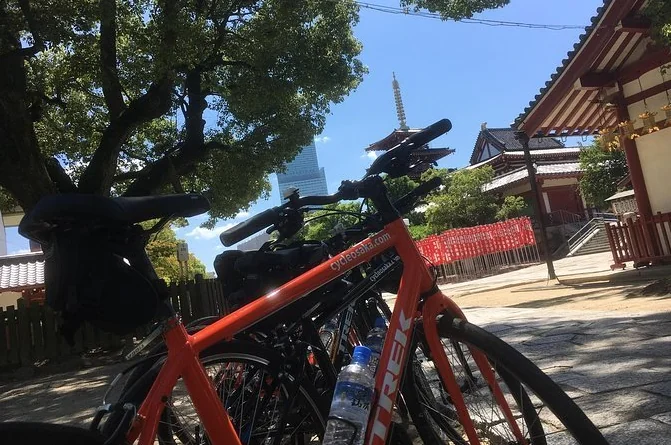
The most efficient way to eat through Japan's kitchen isn't by navigating the labyrinth of the Midosuji subway line. It is on the saddle of an orange rental bicycle, weaving through narrow alleys right as the charcoal grills fire up for the evening. Most tourists walk until their feet blister, waiting in endless queues in Dotonbori. I prefer a different approach. Last Tuesday, I joined a cycling route designed to hit multiple local restaurants across the city in under three hours, entirely skipping the tourist traps.
As a food journalist, I usually despise group dining experiences. They often water down authentic Japanese cuisine for foreign palates. However, the promise of covering more ground on two wheels while hitting specific, highly-rated vendor stalls caught my attention. I wanted to see if the food tour cost-benefit analysis actually made sense for someone who cares strictly about the bowl in front of them, not the ambiance. Here is exactly what we ate, what we paid, and where the tour fell short.
Why Combine Cycling with an Osaka Street Food Tour?
Combining a bike ride with dining allows you to bypass crowded pedestrian zones and efficiently reach scattered neighborhoods in a fraction of the time. This cycling route efficiency maximizes your eating window while unlocking hidden back-alley izakayas that tourists rarely find on foot. You cover roughly 8 kilometers, burning just enough calories to justify that third skewer of fried pork.
When you book a guided pedal-and-eat excursion, you are essentially paying for logistics. Navigating the chaotic streets near Sennichimae Doguyasuji (the famous kitchenware street) on a bike requires local knowledge. Based on my experience, the core advantages break down into a few specific areas:
- Efficient movement guided by a private local, avoiding major traffic arteries.
- Verified local specialty dining experiences without the guesswork of translation apps.
- Enjoying both a bicycle trip and a gastronomic tour simultaneously, maximizing limited vacation hours.
According to the tour's official listing, riders can expect to "experience time-tested local specialties" that have anchored these neighborhoods for decades [1].
Route Breakdown and Logistical Details
 The excursion typically costs between ¥12,500 and ¥14,000 per person, factoring in the bike rental, guide fee, and a baseline of food inclusions. When evaluating the sheer volume of Japan food consumed across three distinct wards, the monetary value is solid, though heavy eaters will need to bring extra cash for supplemental orders.
| Tour Component | Execution Details |
|---|---|
| Total Duration | 165 minutes (approx. 45 minutes of active cycling) |
| Transport Mode | Standard city bicycles (basket included, no electric assist) |
| Neighborhoods Covered | Shinsekai, Tenma, and the outskirts of Namba |
| Dietary Flexibility | Low. Heavy focus on meat, wheat, and soy-based broths. |
Stop 1: Shinsekai Kushikatsu and Frying Techniques
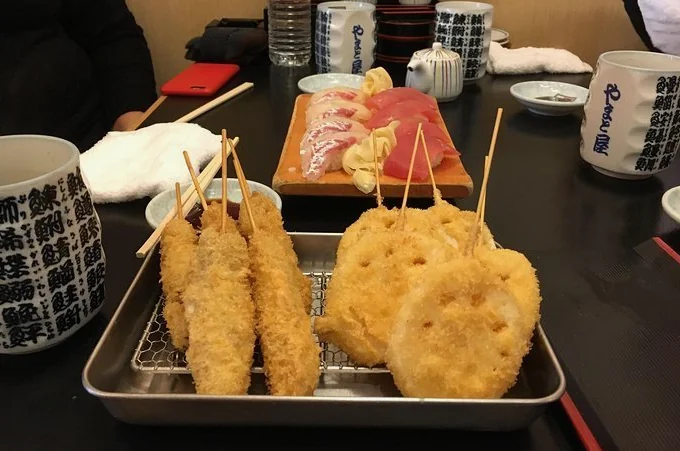
Authentic Shinsekai kushikatsu features a remarkably thin, non-greasy batter that relies on brief, high-temperature frying. The price per person (JPY) here usually hovers around ¥1,200 for a starter set of five skewers, and wait time estimation is critical—arrive before 5:30 PM or expect a 40-minute queue.
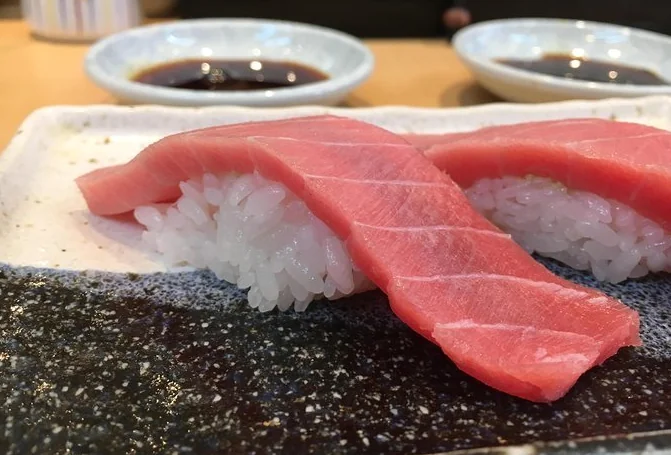
I apply a strict Tabelog score analysis to street food. While tourists chase 3.8+ ratings for fancy sushi, a 3.2 on Tabelog for a kushikatsu joint is genuinely good. The stand we visited sat exactly at 3.24. The must-order dish was the lotus root and the quail egg. The batter was violently crisp, and the oil had been properly drained. However, the accompanying sushi platter they served was entirely forgettable. The lean red tuna (akami) had decent acidity, but the rice was packed too tightly and lacked the proper vinegar bite. If you want high-end sushi, skip the combos and go to a dedicated counter.
Stop 2: Dashi-Based Regional Cuisine
Osaka's okonomiyaki differs drastically from other regions by mixing all ingredients into a dashi-infused batter before hitting the iron plate. Different okonomiyaki grill styles dictate the final texture, with local artisans preferring a heavy press to create a charred, savory crust.
We parked the bikes near a bustling corner where table charge (Otoshi) transparency is actually respected—no hidden ¥500 seating fees, just straightforward pricing. The takoyaki texture and temperature here were textbook: dangerously molten on the inside, requiring you to puncture the shell to let the steam escape before eating. The umami profile evaluation of the dashi-based regional cuisine was intense, heavy on the bonito and kelp. However, English menu availability was zero. Without the guide, ordering the seasonal ingredient sourcing specials (like the spring cabbage okonomiyaki) would have been impossible.
The Meat and Drink: Yakitori, Horumon, and Pairings
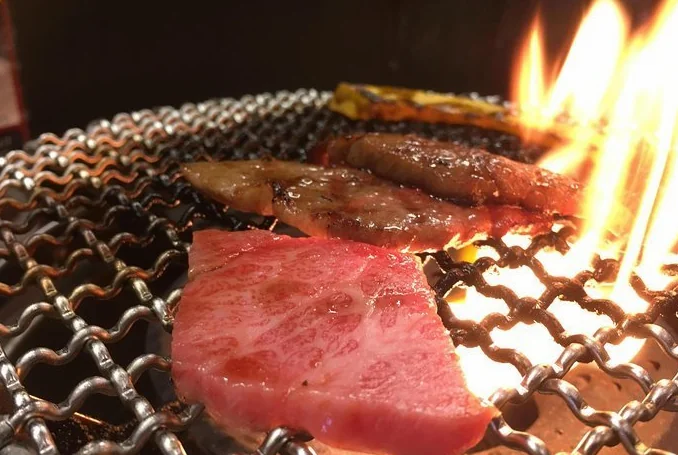
 Local artisan vendors in Osaka excel at grilling horumon (grilled offal) over binchotan charcoal, creating a smoky, caramelized exterior. Expect to pay about ¥2,800 per person at standing bars (Tachinomiya) when pairing these rich, fatty skewers with local alcohol.
Cycling away from the overly congested Kuromon Ichiba Market, we headed toward the Tenma district eateries. This is where the tour actually proved its worth. We stopped at a narrow tachinomiya where the smoke was thick enough to sting your eyes. The highlight was watching the intense Maillard reaction in yakitori—specifically the chicken thigh and leek skewers blistering over the white-hot coals. The meat was aggressively salted, which is exactly what you want when drinking.
Navigating the Beverage Scene
Proper sake tasting notes for offal pairings lean toward dry (karakuchi) profiles that act as a palate cleanser between bites of rich meat. Local craft beer pairings are also gaining traction, offering bitter hop profiles that cut through the heavy pork fat.
I ordered a glass of local Junmai sake (¥850). It was sharp, cold, and stripped the grease from my tongue perfectly. We also sampled a bowl of shoyu ramen to end the night. While the broth was a masterclass in soy sauce complexity, the noodles were slightly overcooked for my preference. It wasn't Michelin Bib Gourmand Osaka quality, but at 8:00 PM after three beers, it hit the exact right spot.
Final Thoughts and Honest Downsides
 The pacing of a cycling food tour can feel rushed during peak dining hours, forcing you to eat quickly to stay on schedule. Furthermore, navigating bicycles through increasingly crowded evening streets requires constant vigilance, which slightly detracts from the relaxed dining atmosphere.
I enjoyed this format because it eliminated the decision fatigue of finding dinner in a city with 30,000 restaurants. However, the downside is undeniable: you are beholden to the group's pace. At the yakitori stand, I wanted to order another round of grilled beef liver, but we had to saddle up to make the final stop. This works well for people who want a curated, fast-paced introduction to Kansai street food, but solo diners who prefer to linger over their drinks might find the 165-minute timeline too restrictive. Next time, I might just rent the bike and steal their route map.
Frequently Asked Questions
How long does the Osaka Eat, Drink, and Enjoy Bicycle Tour take?
A typical Osaka bicycle food tour lasts approximately 3 hours, allowing you to cover multiple districts efficiently. This timeframe is perfect for exploring diverse neighborhoods like Tenma and Shinsekai without the exhaustion of a walking tour. By using a bike, you spend less time commuting and more time enjoying authentic Japanese cuisine at various local restaurants. Most tours are strategically timed for the early evening when the city's famous charcoal grills and street food stalls begin to buzz with energy.
How much does the Osaka Eat, Drink, and Enjoy Bicycle Tour cost?
The price for a guided Osaka bike food tour generally ranges from $75 to $120 USD per person. This total usually covers the bicycle rental, a professional English-speaking guide, and multiple food tastings ranging from fresh sushi to local ramen. While it is more expensive than a self-guided walk, the cost provides significant value by granting access to hidden local restaurants with high Tabelog scores that most tourists overlook. Some premium tours also include alcoholic beverages or specialized street food samples.
Is the Osaka bicycle food tour suitable for beginners?
Yes, this cycling tour is highly recommended for beginners and casual riders because Osaka is a remarkably flat city. The routes are carefully designed to weave through narrow back alleys and pedestrian-friendly paths, avoiding heavy traffic and steep hills. You don't need to be an athlete to participate; the pace is leisurely to ensure everyone can enjoy the Osaka street food tour safely. It is a much more comfortable alternative to walking miles until your feet blister in the crowded Dotonbori area.
Osaka Eat, Drink, and Enjoy Bicycle Tour reviews — is it worth it?
Reviews for the Osaka bike food tour are overwhelmingly positive, especially for foodies looking to avoid tourist traps. Travelers consistently highlight the benefit of visiting 'hidden gems' in the Tenma district and Shinsekai that aren't listed in standard guidebooks. Because the tour utilizes Tabelog score analysis to select vendors, the food quality is often superior to the mass-produced options in major tourist hubs. For those wanting an authentic taste of 'Japan’s kitchen' in a short amount of time, it is definitely worth the investment.
Bicycle vs. walking food tour in Osaka: which is better?
A bicycle food tour is generally better for those who want to see more of the city's diverse food scene in a single afternoon. While walking tours are limited to one specific neighborhood like Kuromon Ichiba Market, a bike allows you to traverse multiple districts like Tenma and Shinsekai effortlessly. Cycling provides a cool breeze and a faster pace, which is ideal for skipping the humid subway lines. However, if you prefer a very slow pace with minimal movement, a walking tour might be your preference.