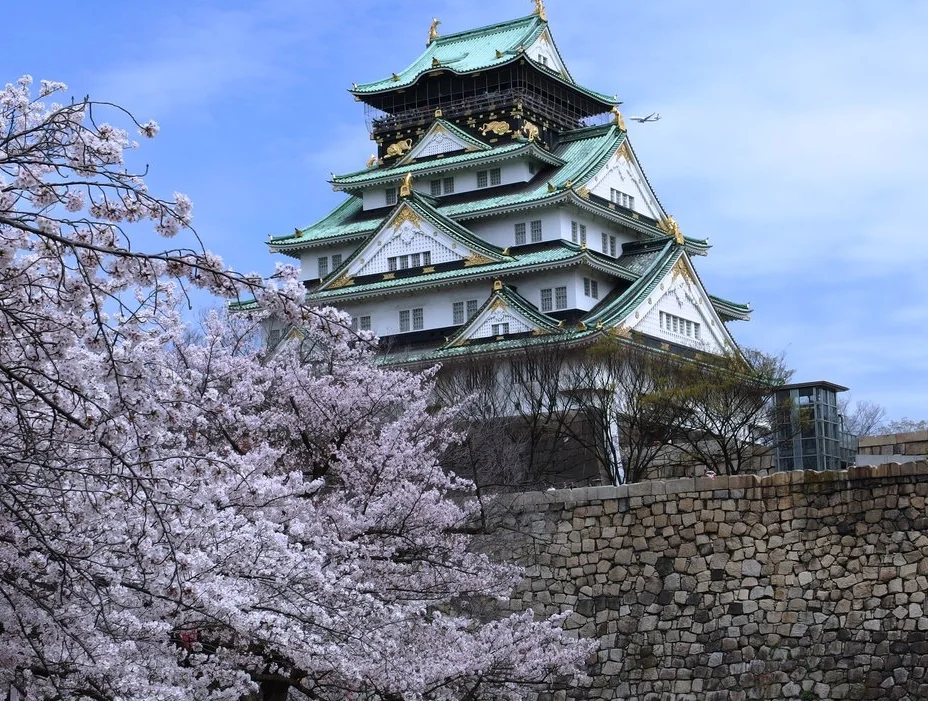
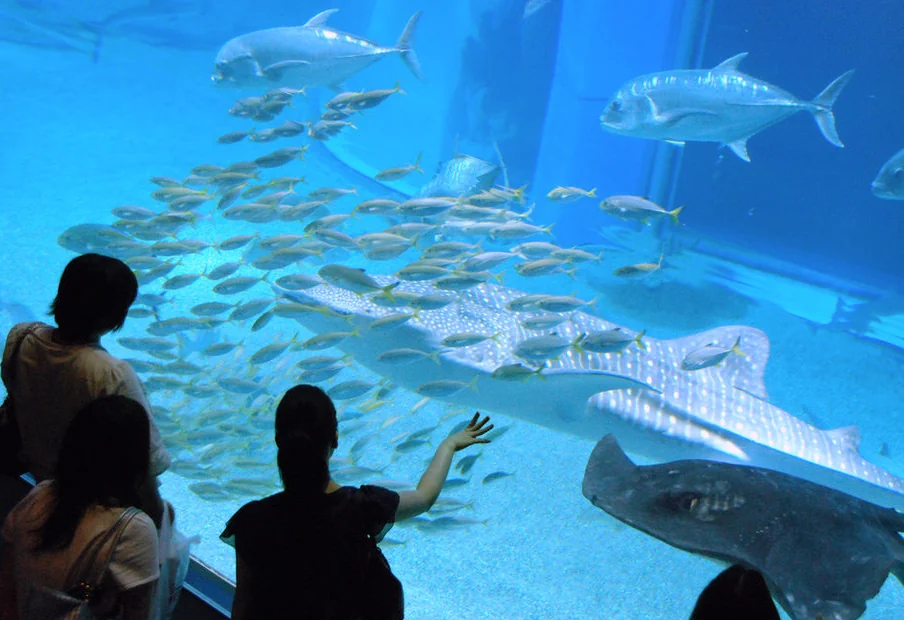
The most exhausting part of eating through Kansai is not the sheer volume of food, but the transit. Last month, after watching visitors observe the massive whale sharks and rays in the giant tanks at Kaiyukan aquarium, I faced a daunting two-hour train journey to my dinner reservation in Kobe. Walking past the magnificent Osaka Castle framed by pink cherry blossoms earlier that day, I had managed to hit a ramen shop boasting a 3.8 score, but the logistical friction of moving between cities was destroying my appetite. That is when I tested a 10-hour private driver service covering Osaka, Kyoto, Nara, and Kobe. As a food journalist who organizes itineraries strictly by Tabelog scores and reservation windows, I needed to know if paying for dedicated transport actually translates to eating better food. This review breaks down the exact price per person benchmarks, the reality of managing local food tour logistics across four cities, and why having a car completely changes how you approach Japan food and local restaurants.
How much does a private driver food tour in Kansai cost?
A private driver service in the Kansai region typically costs between ¥60,000 and ¥85,000 for a 10-hour day, depending on the vehicle size. This fee covers the vehicle, fuel, and the driver's time, but you are responsible for your own meals, highway tolls, and parking fees. Splitting this among four passengers brings the base transport cost to roughly ¥15,000 to ¥21,000 per person.
When you are executing a customized gourmet itinerary, time is literally money. Missing a strict 30-minute reservation window at a high-end sushi counter because you took the wrong exit at Umeda Station means forfeiting a ¥20,000 deposit. According to the booking platform, the core promise of this specific service is straightforward:
"Treating you like a VIP with safe, comfortable private transport across the Kansai region, allowing you to customize your own route." - MyRealTrip Service Description I structured my day to test the limits of private driver transport logistics. I wanted to see if I could hit three Michelin Bib Gourmand Kansai spots in one afternoon without feeling rushed. To understand exactly what you are paying for, here is the breakdown of the service parameters:
| Service Specification | Operational Details |
|---|---|
| Base Duration | 10 hours (Flexible start time between 8:00 AM and 10:00 AM) |
| Coverage Area | Osaka, Kyoto, Nara, Kobe (Customizable routing) |
| Included Costs | Vehicle, driver fee, basic fuel |
| Excluded Costs | Tolls, parking fees, meals, attraction tickets |
Booking a driver-only service solves two massive headaches for serious eaters. First, it eliminates the hassle of driving yourself in an unfamiliar area or navigating complex public transit transfers while carrying heavy bags of local ingredients. Second, it removes the rigid limitations of fixed package schedules, allowing you to linger at a restaurant if the chef offers an extra course. I created a mental checklist of why I chose this over a train pass:
- Overcoming transit friction: Avoiding the exhaustion of standing on crowded commuter trains after a heavy multi-course meal.
- Breaking itinerary constraints: Having the freedom to alter the route instantly if a specific restaurant queue is too long.
Navigating Osaka and Kobe: Street Food to Fine Dining
Moving between Osaka's chaotic street food stalls and Kobe's refined dining rooms takes roughly 45 to 60 minutes by car via the Hanshin Expressway. Having a driver waiting curbside means you can analyze the street food salt levels in Dotonbori at 11:00 AM and sit down for a pristine A5 wagyu lunch by 1:00 PM without breaking a sweat.
Osaka Street Food and Market Realities
Kuromon Market is often criticized for inflated tourist pricing, but a car allows you to run a quick Kuromon Ichiba Market price comparison before moving on to better neighborhoods. Standard seafood skewers here can easily hit ¥2,500, which is steep compared to local spots.
Instead of lingering at expensive stalls, I had the driver drop me in a quiet residential district to test the Takoyaki thermal consistency at a neighborhood vendor. Unlike the mass-produced versions downtown, a proper batch takes 20 minutes to cook, resulting in a molten core that stays dangerously hot. Later, we drove to a specific shop in Tennoji to evaluate their Osaka Okonomiyaki crust texture. The contrast between the crispy, pork-fat-fried exterior and the steamed cabbage interior was flawless. The driver's presence was crucial for wait time optimization (Gyoretsu); he dropped me exactly at the end of the 15-person line while he went to find parking, saving me at least 20 minutes of wandering. This efficiency is how you uncover authentic local Izakaya gems rather than settling for whatever is closest to the train station.
The Truth About Kobe Beef Certifications
Authentic Kobe beef requires a specific chrysanthemum seal, and lunch sets at verified restaurants typically start around ¥8,000 to ¥12,000 per person. A driver ensures you arrive exactly on time for these highly regulated meat services.
I booked a 1:30 PM slot at a steakhouse near Sannomiya Station. Verifying the A5 Kobe Beef certification plaque at the entrance is a necessary step, as many generic "wagyu" shops operate nearby. The meat was seared on a teppan, served with just crispy garlic and salt. Because we had a car, I added a spontaneous detour to the Nada district sake breweries afterward. Trying fresh, unpasteurized sake straight from the brewery is a completely different experience than buying bottles at a department store. Just remember that if you plan to drink, having a dedicated driver is not just convenient—it is legally required in Japan.
Kyoto and Nara: Traditional Flavors and Temple Dining
Driving from Kobe to Kyoto takes roughly 90 minutes, marking a distinct shift from heavy, fat-rich meals to delicate, water-focused Japanese cuisine. Private transport is absolutely essential here, as many traditional dining spots are located in remote mountain areas or poorly connected temple districts.
Decoding Kyoto's High-End Dining
Kyoto's traditional dining scene is notoriously difficult to navigate, with high-end dinners averaging ¥20,000 to ¥35,000 per person. Door-to-door transport is a massive advantage when trying to locate unmarked, reservation-only sushi counters hidden in the narrow alleys of Gion.
My goal in Kyoto was to experience Kyoto Kaiseki traditional service without the stress of being late. The driver navigated the tight streets effortlessly. The meal highlighted seasonal Shun ingredients, including incredibly tender bamboo shoots and firefly squid. Finding a Tabelog 3.5+ rating in Kyoto is tough because locals rate harshly, but this spot delivered. We also skipped the crowded main thoroughfares to find Nishiki Market hidden stalls that sell specialized kombu and dried fish. Later, we drove up into the mountains for Arashiyama bamboo forest dining, specifically seeking out a quiet tofu restaurant. Managing strict Omakase reservation availability across town is stressful, but sitting in the back of a van checking your notes makes it manageable. Before leaving the city, we stopped at a 150-year-old tea house to compare Uji matcha quality grades, noting the deep, grassy bitterness of the ceremonial tier.
Kansai Broths and Nara's Autumn Bites
Nara offers excellent, affordable variations of regional broths, with typical noodle bowls priced around ¥1,200 to ¥1,500. The area is perfect for combining casual dining with scenic walks through historical parks.
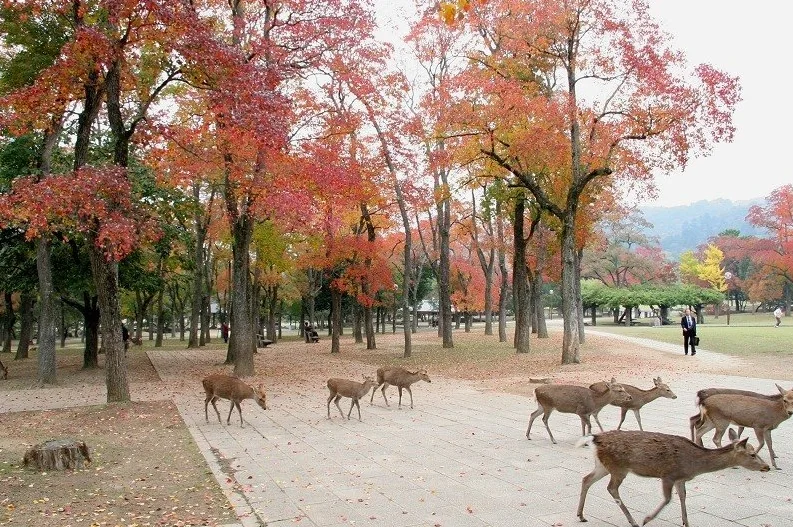
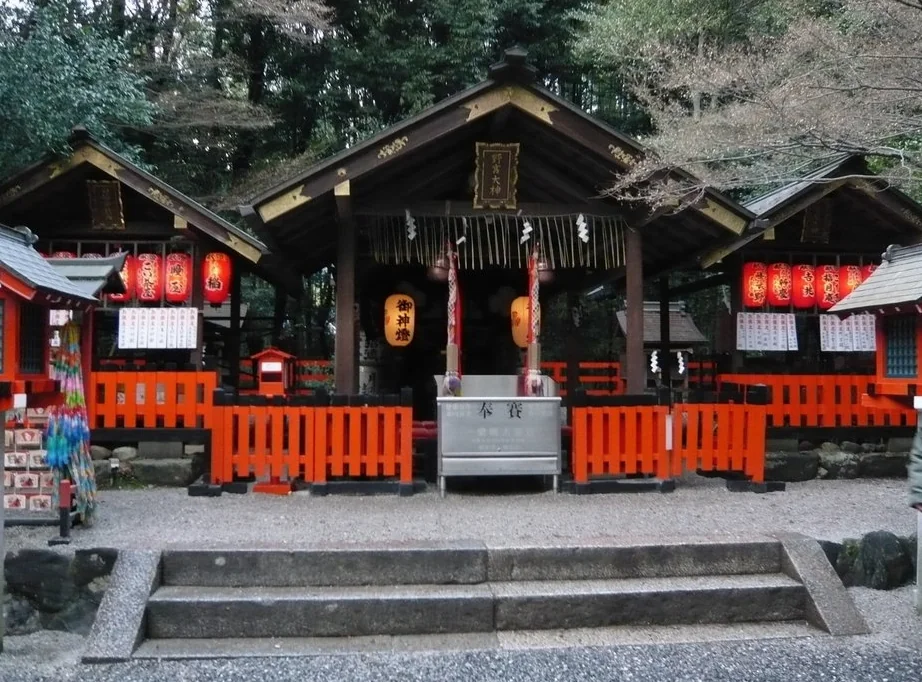
Strolling past the deer in Nara Park under the red autumn foliage, I worked up an appetite for a deep dive into local soups. The contrast in Kansai vs Kanto flavor profiles is stark. I sat down at a small udon shop to conduct an umami-rich broth analysis. The clear, golden Kansai-style dashi profile relies heavily on premium kelp (kombu) and light soy sauce, avoiding the dark, salty intensity of Tokyo-style broths. After lunch, I stood near a traditional Japanese shrine decorated with red wooden fences and lanterns, eating sweet soy-glazed mitarashi dango from a nearby stall. We ended the day by driving to a secluded monastery to try Shojin ryori temple dining. The completely vegan meal, built around sesame tofu and mountain vegetables, requires advance booking and a steep drive up a winding road—something I would never attempt on public transit.
Is a driver-only tour worth it for food lovers?
A driver-only tour is highly valuable for serious eaters who want to maximize their daily restaurant count across multiple cities without physical exhaustion. However, because the driver is not a culinary guide, you must be prepared to research, book, and communicate your exact dining itinerary in advance.
This brings me to the biggest downside of this service. The driver provides transport, not translation or curation. If you expect them to recommend the best hidden ramen or secure a last-minute sushi reservation for you, you will be disappointed. Furthermore, communication can be tricky if your driver speaks limited English. My workaround was simple: I created a shared Google Map with every restaurant pinned, including the exact reservation times and Tabelog links, and sent it to the operating company three days before the tour. This ensured the driver knew exactly where to park and wait.
If you are willing to do the heavy lifting of building the itinerary, the return on investment is massive. You save hours of transit time, arrive at fine dining establishments looking presentable rather than sweaty from the subway, and can safely transport fragile food souvenirs like delicate pastries or expensive sake. For anyone attempting a serious, multi-city eating schedule in Kansai, paying for dedicated logistics is the most practical money you can spend.
Frequently Asked Questions
Is the Osaka/Kyoto private driver tour worth it for foodies?
Yes, it is worth it because it allows you to visit multiple high-rated Tabelog 3.5+ restaurants across different cities without worrying about complex train schedules. By cutting down transit time between Osaka, Kyoto, and Kobe, you can easily fit in more culinary experiences, from Nishiki Market hidden stalls to A5 Kobe Beef dinners. The convenience of door-to-door service ensures you arrive fresh for your reservations, making it a premium choice for those prioritizing authentic Japanese cuisine and efficient local restaurant hopping.
How do I plan a food-focused itinerary for this private tour?
You plan your itinerary by selecting specific culinary stops like Kuromon Ichiba Market for a price comparison on fresh seafood or a specific ramen shop in Kyoto. Since this is a "driver-only" service, you have total freedom to choose local restaurants based on your own research and preferences. Simply provide the driver with your list of destinations, including hidden gems or spots with a unique Kansai-style dashi profile, and they will manage the navigation and parking while you focus on the food.
Private driver vs. public transport for a Kansai food tour—which is better?
A private driver is significantly better for travelers who want to visit multiple cities like Nara and Kobe in one day for specific culinary targets. While public transport is cheaper, it often involves exhausting walks and transfers that can be difficult after a heavy sushi or Kobe beef meal. Choosing a customized tour saves hours of travel time, allowing you to easily access tucked-away local restaurants and Nishiki Market stalls that are located far from the major train stations.
What do reviews say about the driver-only tour service in Osaka?
Reviews typically highlight the immense time savings and the comfort of traveling in a private vehicle between Osaka, Nara, and Kyoto. Many travelers appreciate the ability to store shopping bags from markets like Kuromon Ichiba while they continue their food tour. While the driver doesn't act as a formal guide, their local knowledge of traffic patterns helps you reach your Tabelog 3.5+ reservations on time. It is highly rated by independent travelers who value flexibility over rigid group schedules.
Are there any downsides to booking the driver-only VIP tour?
The main downside is that the service is "driver-only," meaning you are responsible for making your own restaurant reservations and paying any entry fees. If you are not prepared with a list of Japan food spots or A5 Kobe Beef certifications you want to see, you might not maximize the full value of the 10-hour service. This option is best suited for proactive travelers who have a clear vision of their Kansai-style culinary itinerary and simply need professional transport to execute it.