The most memorable meal of my recent Kansai trip was not a ¥20,000 multi-course dinner. It was an ¥850 plate of greasy, perfectly charred noodles eaten after a two-hour soak in mineral-rich waters. Navigating Japan food culture while managing transit costs requires a specific strategy, especially when moving between major cities and mountain resorts. The Hanshin-Hankyu Tourist Pass combined with a day-trip onsen package is one of the most efficient ways to tackle both.
I recently tested this combination ticket on a Tuesday morning. It costs roughly ¥2,900 depending on exchange rates, saving you about ¥1,200 compared to buying every segment individually. But the real advantage is not just the discount. It is the seamless access it provides to heavy-hitting culinary zones between Osaka and the mountains. By linking your transportation directly with your bathhouse entry, you free up both time and budget for what actually matters: eating through local restaurants and soaking in historic springs.
What exactly does this transit and bath bundle cover?
This package includes a physical one-day transit pass for either the Hanshin Electric Railway or the Hankyu Railway 1-day pass, plus full entry to Arima Onsen Taikono-yu. It covers your round-trip transportation from Osaka alongside premium bathhouse access without needing secondary tickets.
When you look at the raw numbers, the value becomes obvious. Standard bathhouse entry alone is typically ¥2,600 on weekdays, making the rail pass essentially free.
| Pass Component | Coverage Details | Practical Benefit |
|---|---|---|
| Transit Access | Unlimited rides on Hanshin or Hankyu lines | Free movement between Umeda and Kobe food districts |
| Facility Entry | Full Taikono-yu admission | Bypasses the main payment queue at the bathhouse |
| Attire & Gear | Yukata rental and towels | No need to pack bulky bath gear from your hotel |
Using a consolidated voucher solves two specific headaches for foreign travelers:
- It eliminates the hassle of purchasing transit tickets and bath admissions separately at different machines.
- It removes the complexity of on-site payment and language barriers at the busy mountain bathhouse counter.
The reality of the exchange counter
The QR voucher redemption process at the Umeda Station exchange point takes about 15 minutes during morning rush hours. You must swap your digital confirmation for physical tickets before boarding any trains.
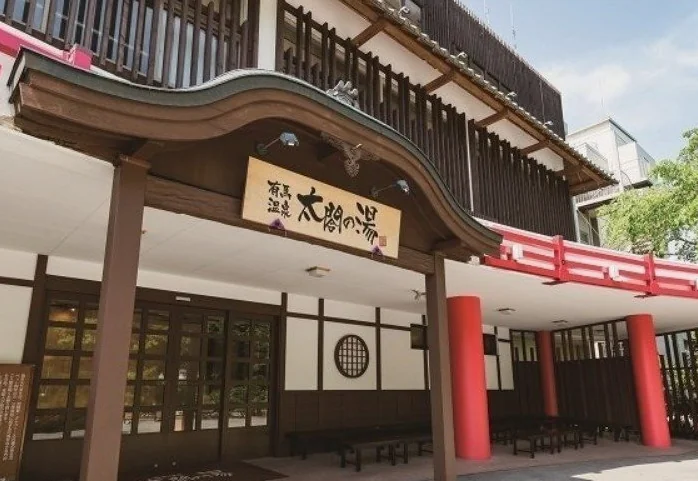
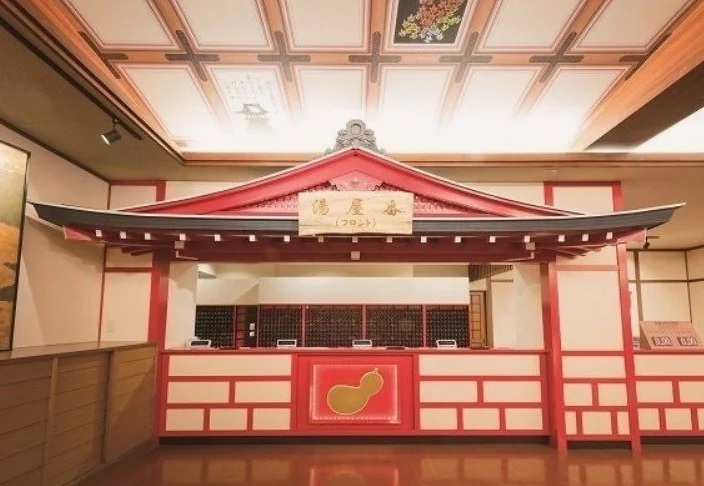
Approaching the designated tourist desk at Umeda, I handed over my phone. The staff scanned the code and handed me the physical cards. One genuine downside: the tourist center line can get frustratingly long. I waited 18 minutes at 9:00 AM behind a large tour group. My advice is to get there by 8:15 AM to avoid the bottleneck. Once you arrive at the mountain facility, walking past the antique entrance with its prominent wooden signs, you simply hand over the secondary ticket at the red-tiled reception desk.
Kobe Sannomiya food district: Eating before the mountain
 The Kobe Sannomiya food district serves as the primary culinary hub before heading up the mountain, offering everything from high-end beef to working-class noodles. Price per person (budgeting) ranges widely here, from ¥1,000 at standing counters to ¥15,000 for seated steak dinners.
A common mistake is heading straight to the hot springs with an empty stomach. I always stop in Sannomiya first. Keep in mind that Tabelog scores work differently from Google ratings. If you are looking for local spots with a Tabelog score 3.5+, expect a wait. A 3.5 indicates a highly respected neighborhood institution.
Beyond the standard tourist beef
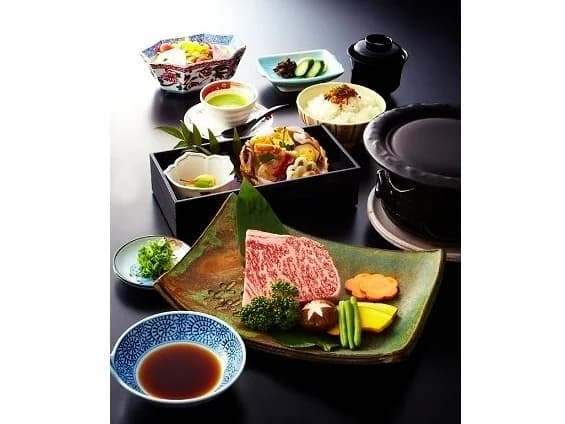
Authentic Kobe Beef (Tajimagyu) requires careful restaurant selection to avoid tourist traps. Quality cuts at reputable local spots generally start at ¥8,000 for a lunch set, while cheaper options often use lower-grade wagyu.
While many visitors hunt for standard sushi or generic Japanese cuisine, Sannomiya is meat territory. I skipped the flashy English-menu spots and waited 42 minutes for a 12-seat counter serving Sobameshi (Kobe soul food). This brilliant, messy mix of fried rice and yakisoba noodles cost exactly ¥850. It delivered significantly more flavor and authenticity than the heavily marketed ¥4,000 wagyu skewers sold on the main street. Wait times for popular restaurants in this area peak between 11:30 AM and 1:00 PM, so plan your transit accordingly.
Bathing and dining inside the facility
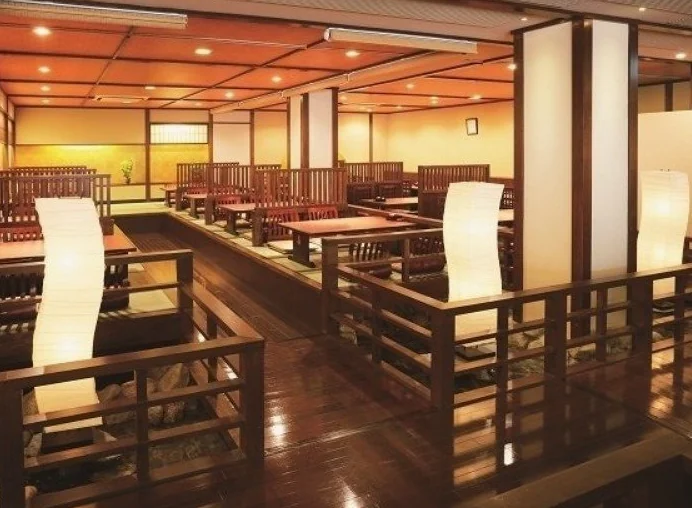
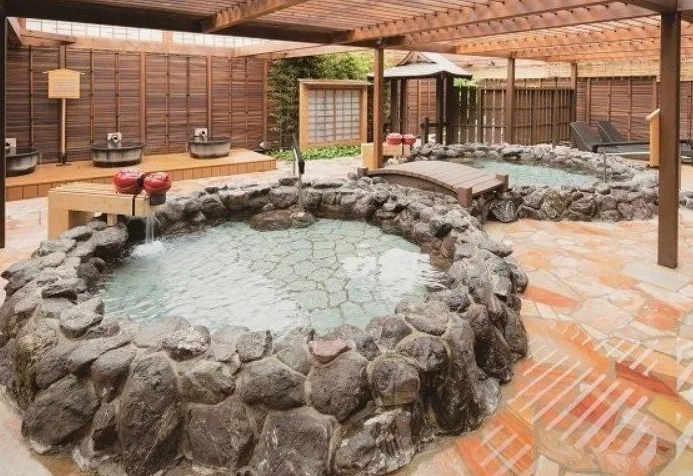 Taikono-yu provides extensive bathing facilities alongside an in-house restaurant featuring traditional dishes. Food inside costs about 15 to 20 percent more than street-level restaurants, but offers the convenience of dining in your provided robes.
The facility itself is massive. Stepping into the stone-lined Rotenburo (outdoor bath), the contrast between the crisp mountain air and the 41-degree water is sharp. You get access to both the iron-heavy Kin-no-yu (Gold Water) and the clear, radium-rich Gin-no-yu (Silver Water) without having to walk between different public bathhouses in town.
Based on information from the ticketing platform, the facility features "26 types of baths and bedrock baths to experience Arima Onsen's unique hot spring water."
The in-house restaurant verdict
Dining inside Taikono-yu focuses heavily on set meals and seasonal ingredients. While convenient, the execution of complex dishes sometimes falls short of dedicated specialty restaurants in the city.
Sitting in the traditional wooden interior of the dining hall, I ordered the Kamameshi (kettle rice). At ¥1,950, the portion was slightly small. The rice was perfectly steamed, absorbing the dashi broth well, but the accompanying sides lacked the precision of true Kaiseki ryori. It is decent sustenance, but if you want exceptional ramen or deeply complex broths, eat in Osaka or Kobe before arriving.
Arima-cho local snacks: The post-bath routine
 Arima-cho local snacks are heavily influenced by the town's naturally carbonated springs, with most items priced under ¥500. Street food stalls typically close by 5:30 PM, so timing your bath exit is crucial.
After bathing, grab an Arima Onsen Gourmet Map from the front desk. The steep streets outside are lined with vendors. The Tansan Senbei (carbonated crackers) are feather-light and slightly sweet, costing ¥350 for a fresh tin. I also grabbed a steaming Onsen Manju (¥120) filled with dense red bean paste. For savory fans, look for anything seasoned with Arima Sansho pepper. Its citrusy, numbing bite cuts right through the fatigue of a long soak.
Extending the trip: Evening detours
 The return journey offers a chance to utilize the unlimited transit pass for evening stops. The Nada-no-Sakagura sake breweries are situated directly along the Hanshin line, making them an ideal detour before returning to Osaka.
Instead of rushing back to Umeda, I used the Hanshin pass to stop at the brewery district. A ¥500 tasting flight of unpasteurized sake was the perfect bookend to the day. The local water that makes the hot springs so famous is the exact same water that gives this sake its crisp, clean finish.
Final Takeaway: The combination pass is a highly practical tool for food-focused travelers. By eliminating individual ticket costs, you can reallocate those funds toward better meals in Sannomiya or extra snacks in the mountain town. Just remember to eat your heavy meals down in the city, and save the mountain dining for light snacks and cold sake.
Frequently Asked Questions
Is the Arima Onsen Taikono-yu package ticket worth it for a day trip from Osaka?
Yes, the Arima Onsen Taikono-yu package ticket is highly cost-effective, typically saving travelers around ¥1,200 compared to purchasing train tickets and bath entry separately. The bundle includes a Hanshin or Hankyu 1-day pass and full access to the Taikono-yu hot spring facilities. It is an excellent value for those wanting to experience traditional Japanese mineral baths and local flavors like Arima Sansho pepper seasoned dishes without the expense of a luxury ryokan stay.
How to exchange the QR voucher for the Arima Onsen Taikono-yu package?
You must exchange your digital QR voucher for physical tickets at designated locations, such as the Hankyu Tourist Center in Osaka-Umeda or specific station offices. Simply present your QR code to staff to receive your Hanshin/Hankyu 1-day pass and the Taikono-yu admission ticket. Once exchanged, you can use the pass for unlimited train travel for the day, making it easy to stop for sushi or ramen at local restaurants in Kobe before heading to the onsen.
Where can I eat Kobe beef using the Arima Onsen Taikono-yu pass?
While the pass doesn't include food, it provides unlimited transport to Kobe’s Sannomiya and Motomachi areas, the premier spots for authentic Kobe Beef (Tajimagyu). After your soak at Taikono-yu, you can use your Hanshin or Hankyu 1-day pass to hop off at these central stations to find high-end steakhouses or affordable local restaurants serving Japanese cuisine. This flexibility allows you to combine a world-class hot spring experience with Japan's most famous beef.
Hanshin vs Hankyu 1-day pass—which is better for reaching Arima Onsen?
The best pass depends on your starting location in Osaka: use the Hankyu 1-day pass if you are staying near Umeda or coming from Kyoto, and choose the Hanshin pass if you are starting in the Namba area. Both versions of the Arima Onsen Taikono-yu package offer the same spa benefits. If you want to explore the scenic Kobe harbor or visit specific ramen shops in the city center, the Hanshin line offers slightly better access to the coastal sightseeing districts.
Are there any downsides to the Arima Onsen Taikono-yu package ticket?
One potential downside is that the package doesn't cover the small additional fare for the Shintetsu Railway or the Arima Express bus required for the final leg into the mountains. Additionally, because the Arima Onsen Taikono-yu package is a popular deal, the facility can become quite crowded on weekends and public holidays. To get the best experience, visit on a weekday morning to enjoy the mineral baths and local restaurants in a more relaxed atmosphere.