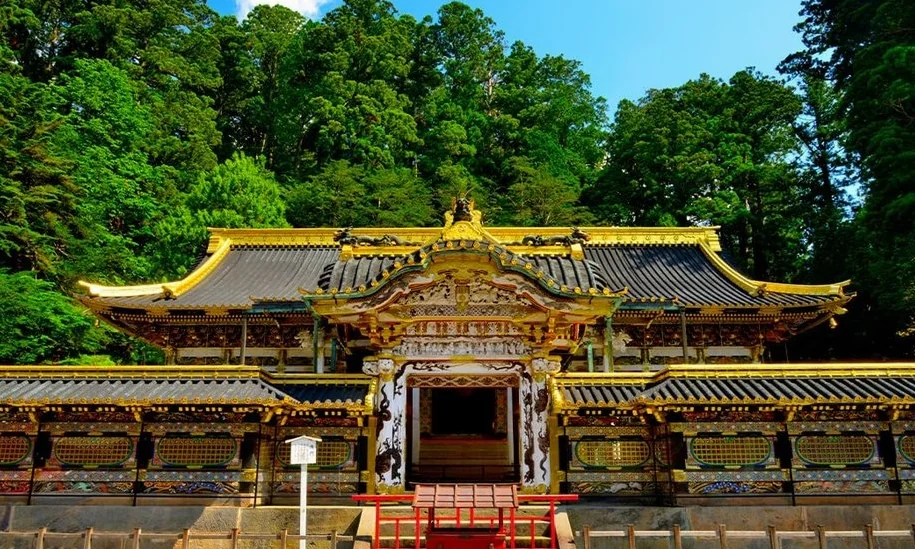
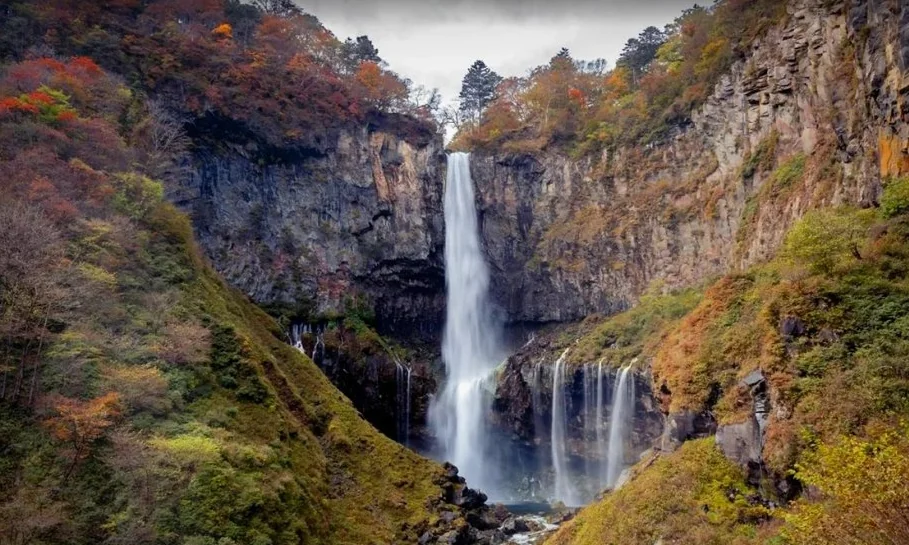
The most memorable meal I had in Tochigi Prefecture was not inside a luxury hotel. It was at a cramped, six-seat wooden counter where an elderly chef served a bowl of yuba soba that tasted like pure, unadulterated craftsmanship. Many travelers book a 3-day excursion to see the magnificent golden Karamon gate at Toshogu Shrine or to witness the sheer drop of Kegon Falls framed by vibrant autumn foliage. However, they often end up eating overpriced, mediocre meals right outside these historic sites. As a food journalist who spends my days analyzing the correlation between online reviews and actual flavor, I took this specific route to document the culinary reality behind Japan's most famous heritage sites and hot springs.
This itinerary covers a massive amount of ground, moving from the solemn cedar forests of Nikko to the sulfur-heavy air of Gunma. I paid close attention to the sensory details of every meal, from the salt concentration levels in the mountain preservation techniques to the firmness of the buckwheat noodles. If you are planning to take this route, you need to know exactly where to spend your yen and where to keep walking.
This itinerary focuses on a private guided journey through Japan's major cultural heritage sites and the top three hot springs, specifically highlighting the Kusatsu tour experience. Before diving into the specific bowls and plates, here are the core advantages of taking this specific guided route:
- Exclusive private tour with expert guide Lou, avoiding the crowded group bus dynamic.
- Highly efficient routing that connects major Japanese cultural heritage sites and top-tier hot springs without the usual train transfer headaches.
What to Expect from UNESCO World Heritage Dining in Nikko
Dining near Nikko's heritage sites typically involves traditional Buddhist-influenced vegetarian dishes, costing around ¥2,000 to ¥4,000 per meal. Visitors will mostly find soy-based specialties and buckwheat noodles rather than heavy meat dishes.
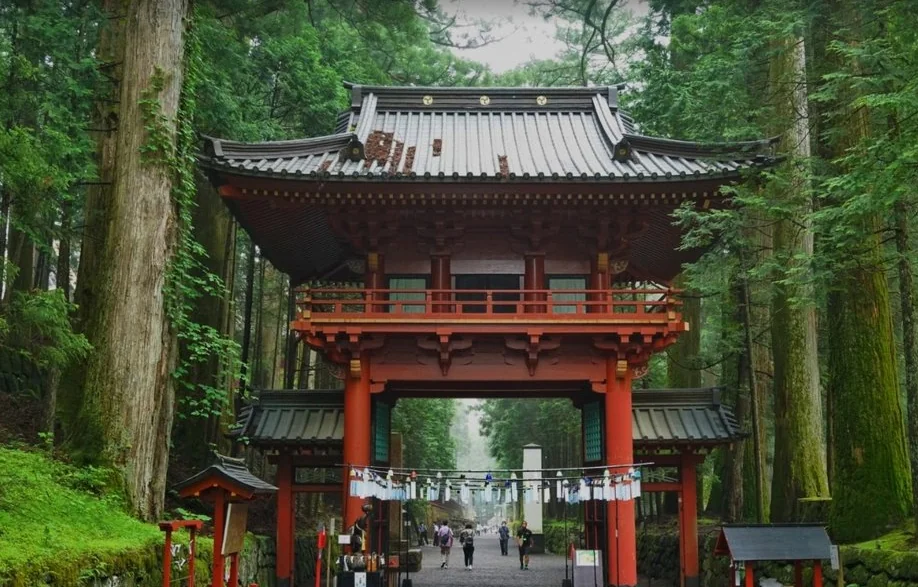
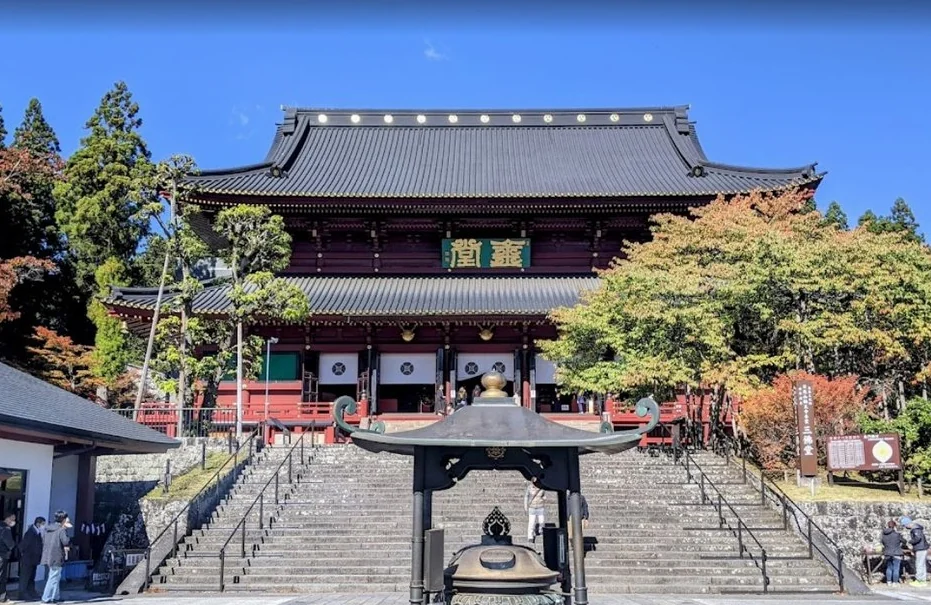
Walking past the majestic red gates and the grand stone steps of Rinnoji Temple builds quite an appetite. However, the immediate vicinity of the UNESCO World Heritage dining zone is a minefield of tourist traps. I skipped the massive cafeterias facing the main parking lot and walked 15 minutes down the hill. The true local food scene requires a bit of legwork. I found a modest shop where the focus is entirely on the bowl, completely ignoring modern ambiance.
The Reality of Nikko Yuba and Soba
Authentic yuba in this region is served folded and thick, unlike the flat, delicate Kyoto style. A proper meal here relies heavily on the natural mountain water quality, which directly impacts the firmness of the noodles.
I stopped at a small, family-run shop near the iconic Shinkyo Bridge. The wait time was exactly 42 minutes on a Tuesday afternoon. The price per person came to ¥2,150. My must-order recommendation here is the cold zaru soba topped with rolled Nikko Yuba. The soba noodle texture was exceptional—firm, slightly gritty from a high buckwheat ratio, and served icy cold. The yuba itself acted like a sponge for the dipping sauce. One downside to dining in this specific area is the strict operating hours; almost every decent spot closes by 3:30 PM, so you must time your temple visits perfectly or risk eating convenience store sandwiches.
Kusatsu Yubatake: Street Food and Hot Spring Mineral Content
The street food scene around the main hot spring field centers on steamed buns and grilled skewers, averaging ¥150 to ¥500 per item. The extreme acidity of the local water influences both the bathing culture and the preparation of regional snacks.
Arriving in Gunma, the smell of sulfur hits you immediately. The Kusatsu Yubatake (hot water field) is a visual spectacle of steaming turquoise water and wooden conduits. After watching the traditional Yumomi performance—where locals cool the scalding water by rhythmically beating it with long wooden planks—I hit the streets. The hot spring mineral content here is so potent that it actually alters the way local vendors formulate their doughs and batters.
Tasting Onsen Manju and Local Snacks
Traditional hot spring buns are steamed using geothermal heat, resulting in a distinctively soft, moist exterior. Most vendors cluster around the central square, offering freshly made sweets filled with red bean paste.
I tested three different stalls. The price per person for a quick snack run is negligible, around ¥400. Wait times rarely exceed 5 minutes. The absolute must-order is the freshly steamed onsen manju from the shop closest to the bathhouse corner. The earthy sweetness of the red bean cuts sharply through the sulfurous air. However, be cautious with the complimentary green tea offered by some aggressive vendors; it is usually a tactic to pressure you into buying boxes of overpriced, factory-made souvenirs rather than the handmade goods.
Ryokan Dining Experience: Kaiseki Ryori and Joshu Wagyu
Traditional inn dinners feature multi-course seasonal menus highlighting regional beef and mountain vegetables. These meals are typically included in the room rate, which ranges from ¥25,000 to ¥50,000 per night.
The ryokan dining experience is the culinary peak of this three-day journey. You do not wait for a table; the meal is meticulously timed to your requested seating. Our dinner featured Joshu Wagyu, a premium local beef known for its intricate fat marbling. The meat was prepared via traditional Irobi charcoal grilling right at the table. The fat melted at a surprisingly low temperature, coating the palate without feeling greasy.
Analyzing the Umami Profile and Koji-based Seasonings
The flavor base of these mountain dinners relies on fermented soy and rice cultures rather than ocean fish stock. This creates an earthy, rich taste that pairs specifically well with local root vegetables.
The chefs here utilize Japanese fermentation techniques to extract maximum flavor from humble ingredients. The seasonal sansai (foraged mountain vegetables) were dressed in complex koji-based seasonings. The umami profile was deep and lingering. I paired this with a dry Tochigi local sake, which sliced right through the richness of the beef. If there is a flaw in traditional kaiseki ryori, it is that the later courses often feature extremely high salt concentration levels due to historical mountain preservation methods. I found myself drinking heavily from my water glass by the time the final rice course arrived.
Navigating Local Restaurants and Tabelog Rating Correlation
Finding good meals in tourist towns requires understanding that a 3.1 or 3.2 score on Japanese review sites often indicates a solid, reliable local spot. Places scoring above 3.5 usually require reservations weeks in advance or involve standing in line for hours.
During our transit times, including a brief local food market tour, I relied heavily on my data-driven approach to finding Japan food. The Tabelog rating correlation is drastically different from Western platforms. Tourists often ignore a 3.18 rating, assuming it means subpar food. In reality, a 3.18 ramen shop in a rural prefecture is usually a neighborhood staple serving excellent, honest bowls.
Finding Authentic Japan Food Beyond the Tourist Traps
The best regional dining happens a few streets away from the main attractions, where menus are handwritten in Japanese. These establishments focus on a single specialty rather than offering a massive variety of generic dishes.
On our final day, we skipped the hotel breakfast and found a tiny local joint near the Tobu Nikko Line station. Price per person: ¥950. Wait time: 15 minutes. Must-order: The morning shio ramen. The broth was delicate, drawing flavor from chicken bones and local rock salt. While many foreign visitors hunt strictly for high-end sushi or elaborate Japanese cuisine, the true soul of regional dining lies in these cheap, meticulously crafted bowls.
| Tour Component | Details & Observations | Practical Tips |
|---|---|---|
| Transportation | Private vehicle via guided tour route | Saves roughly 4 hours of train transit time. |
| Dining Budget | ¥1,500 - ¥3,000 per lunch | Carry physical cash; many older shops reject cards. |
| Ryokan Meals | Multi-course Kaiseki included | Notify the inn of dietary restrictions 48 hours prior. |
| Physical Demand | Moderate walking (temples/stairs) | Wear slip-on shoes for frequent temple entry/exit. |
this 3-day route offers a brilliant cross-section of cultural history and regional gastronomy. The key to enjoying it is knowing when to embrace the high-end ryokan hospitality and when to hunt down a cheap, steaming bowl of noodles in a quiet alleyway. Skip the flashy tourist cafeterias, trust the modest Tabelog scores, and focus purely on what is in your bowl.
Frequently Asked Questions
Is the Nikko and Kusatsu 3-day tour worth it?
Yes, the 3-day Nikko and Kusatsu tour is highly worth it for travelers who want to combine UNESCO World Heritage sites with Japan's top-rated hot springs. This itinerary balances the intricate golden architecture of Toshogu Shrine with the therapeutic waters of Kusatsu. To get the most value, prioritize eating authentic Nikko Yuba and Joshu Wagyu at local restaurants rather than overpriced tourist stalls. The contrast between Nikko's history and Kusatsu's vibrant Yubatake makes for a deeply rewarding cultural experience.
How much does a Nikko and Kusatsu 2-night tour cost?
A standard Nikko and Kusatsu 3-day tour typically costs between $450 and $900 per person. This price variation depends on your choice of ryokan accommodation and whether you use a JR Pass or private transport. Major expenses include entrance fees to the Toshogu Shrine complex and high-end kaiseki dinners. You can save money by seeking out local ramen shops or small eateries with a high Tabelog rating correlation, which often offer better quality than expensive hotel restaurants.
What is the best food to try in Nikko and Kusatsu?
The must-try specialties are Nikko Yuba (delicate tofu skin) and Gunma's famous Joshu Wagyu beef. In Nikko, look for traditional Yuba soba or even Yuba-infused ramen at smaller, counter-style shops. Once you reach Kusatsu, the local Japanese cuisine shifts toward hearty mountain vegetables and premium Joshu Wagyu steak. For the best experience, avoid restaurants directly facing the Toshogu Shrine gates and explore the side streets where locals dine for more authentic flavors and better pricing.
Nikko vs. Kusatsu—which is better for a short trip?
Nikko is better for history and photography, while Kusatsu is the superior choice for hot spring enthusiasts. Nikko is home to the magnificent Toshogu Shrine and scenic waterfalls, making it ideal for sightseeing. Kusatsu, however, is one of the 'Japan 3 Great Springs' and offers a unique atmosphere centered around the steaming Yubatake. A 3-day tour is the best way to see both, as it allows enough time to enjoy the heritage of Tochigi and the relaxation of Gunma without feeling rushed.
How to find the best local restaurants in Nikko and Kusatsu?
To find the best local restaurants, look for a strong Tabelog rating correlation rather than relying solely on tourist maps. In Nikko, seek out hidden gems serving Yuba near the Shinkyo Bridge but away from the main bus stops. In Kusatsu, the best sushi and ramen are often found in the narrow alleys surrounding the Yubatake. Look for shops with simple Japanese menus and local patrons, as these typically serve the most authentic Joshu Wagyu and traditional Japanese cuisine at fair prices.