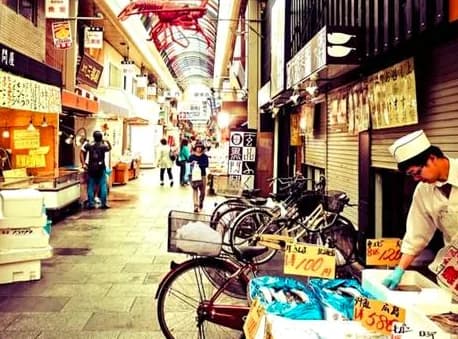
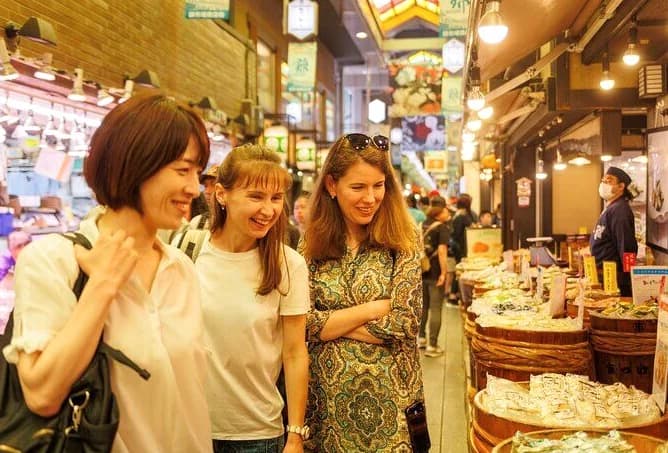
Walking through the narrow corridors of Osaka at 7 PM, the air thick with the scent of toasted sesame oil and grilled flour, I realized that my three years of analyzing Japan food trends hadn't prepared me for the sheer density of flavors in the Namba district. Most visitors get stuck in the neon glow of the main drag, but the real soul of Japanese cuisine hides in the Dotonbori back-alley gems. I recently joined a curated crawl to test the Tabelog rating correlation against actual street-level taste. This wasn't just a meal; it was an intensive lesson in portion size management across five distinct local restaurants. If you are looking for the authentic local flavor profile of Osaka, skipping the tourist traps is the first step toward finding the city's true culinary heart.
The Reality of a 5-Stop Osaka Food Tour
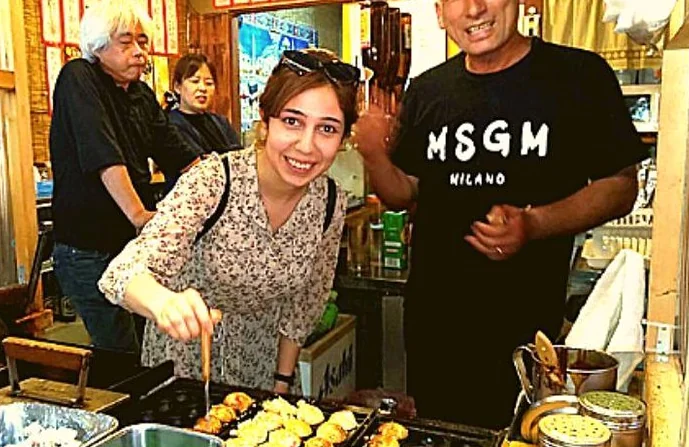
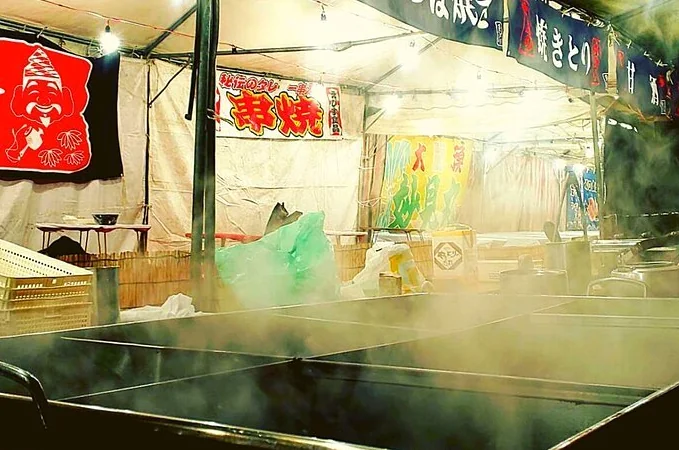
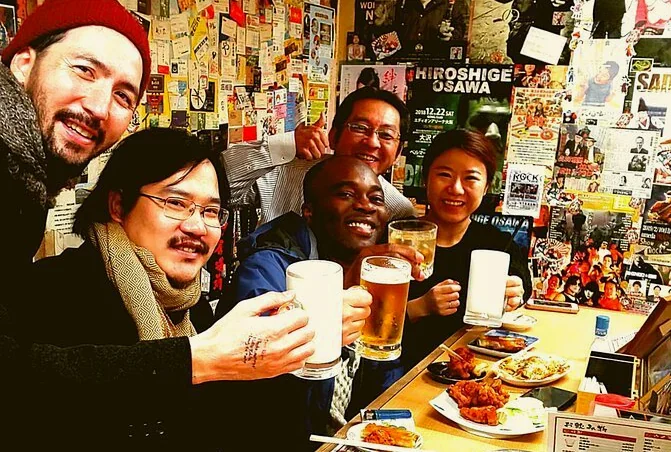
An Osaka food tour typically involves visiting five different locations to sample a variety of regional specialties like Takoyaki and Kushikatsu. These tours generally last between 2.5 to 3.5 hours and are designed to provide a comprehensive overview of the city's nightlife dining culture. Prices often range from ¥11,500 to ¥14,000 per person depending on the inclusions.
During my recent outing, I focused on how a local tour guide personality can make or break the experience. A good guide doesn't just lead you to a table; they navigate the complex street food crawl etiquette that often intimidates newcomers. For instance, did you know that in many Tachinomiya standing bars, it is considered rude to occupy space without ordering a drink? My guide helped bridge that gap, ensuring we felt like guests rather than intruders. We started at a spot tucked away from the crowds, where the wait time analysis suggested a 40-minute queue for locals, but our reservation got us in immediately.
| Feature | Details |
|---|---|
| Total Duration | Approximately 3 hours |
| Standard Price | Estimated ¥12,200 per person [1] |
| Stop Count | 5 unique local restaurants |
Decoding the Local Flavor: From Takoyaki to Okonomiyaki
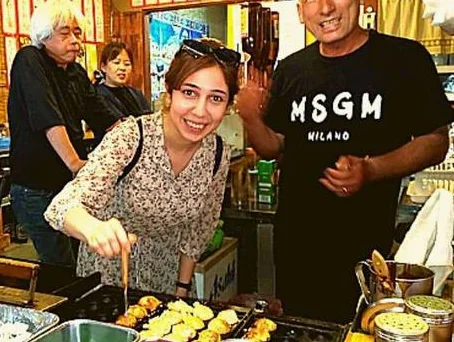
The authentic local flavor profile of Osaka is defined by a balance of dashi-rich batters and savory sauces. While Takoyaki texture should be creamy and almost molten inside, the Okonomiyaki regional style in Osaka focuses on a thick, pancake-like structure mixed with cabbage and pork. Understanding these nuances is what separates a casual diner from a true food enthusiast.
In the Shinsekai district dining scene, I encountered a Kushikatsu variety that challenged my perceptions of fried food. The batter was impossibly thin and crisp, a hallmark of high-quality Japanese culinary traditions. One downside I noticed was the lack of dietary restrictions accommodation at some smaller stalls; many use lard or seafood-based dashi in everything. If you have allergies, I suggest informing your guide at least 48 hours in advance so they can scout alternative hidden foodie spots for you.
"A food tour visiting five different restaurants provides a diverse look at the city's food culture." [1]
The Truth About Tabelog Ratings in Osaka
A Tabelog rating of 3.2 to 3.5 in Osaka often indicates a restaurant that locals frequent daily for its consistent quality and value. Ratings above 3.8 are rare and usually reserved for Michelin Bib Gourmand Osaka winners or high-end sushi establishments with months-long waiting lists.
I compared a 3.1-rated Izakaya in a back alley to a 3.6-rated spot near the station. Surprisingly, the lower-rated Izakaya small plates had a much more complex umami sensory description. The grilled squid was tender, and the sake pairing recommendations from the owner were spot on. It reminded me that a tourist vs local restaurant comparison often favors the underdog. The high-rated spots often suffer from over-tourism, leading to rushed service and slightly diminished quality over time.
Essential Tips for Navigating Osaka's Food Scene

To fully enjoy an Osaka food tour, you must master the art of pacing yourself and understanding the local customs. This includes knowing when to use a standing bar and how to order Wagyu beef skewers without overpaying in high-traffic zones like Kuromon Ichiba Market.
- Portion Control: Don't finish every bite at the first two stops or you'll miss the finale.
- Cash is King: While larger places take cards, many hidden gems are cash-only.
- Drink Water: The sauces are high in sodium; stay hydrated between stops.
When planning your food tour itinerary planning, consider the time of day. Early evening is best for catching the transition from daytime markets to neon-lit nightlife. I found that visiting a Tachinomiya early allowed for better conversation with the staff before the post-work rush arrived. The experience of standing shoulder-to-shoulder with locals while sipping cold beer is arguably more "Osaka" than any sit-down dinner could ever be.
Traveler's Challenge Checklist
Before you head out, keep these two critical challenges in mind to ensure a better experience:
- It is genuinely difficult to find true local restaurants that aren't already saturated with tourists without a guide.
- The historical and cultural background behind specific dishes is often lost if you don't have someone to explain the origins.
Final Thoughts on the Osaka Culinary Journey

Exploring the food scene here requires more than just a hungry stomach; it requires a willingness to step into the unknown. Whether you are hunting for the perfect Takoyaki texture or seeking out Michelin Bib Gourmand Osaka winners, the city rewards those who look past the obvious. My experience across those five restaurants proved that the best flavors aren't always where the brightest signs are. Next time you find yourself in Namba, turn left into the smallest alley you can find—that is usually where the best meal of your life is waiting. What has been your most surprising food find in Japan?
Frequently Asked Questions
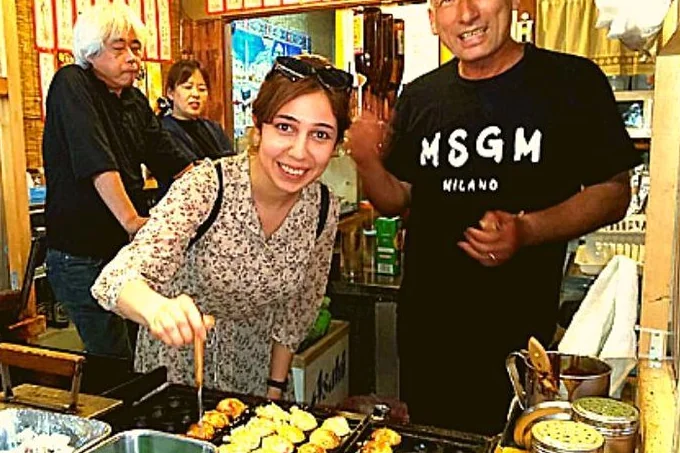
How long does the Osaka 5 restaurant food tour take?
It usually takes about 3 to 4 hours. It is the most appropriate time to walk around 5 local restaurants in the back alleys of Namba and Dotonbori and taste various Japanese foods such as ramen, sushi, and Kushikatsu.
How much is the Osaka 5 restaurant food tour?
It costs an average of 80,000 to 130,000 won per person. The price includes the cost of the guide, the representative menu of 5 restaurants, and drinks, which is more economical as you can experience hidden restaurants in Dotonbori than individual visits.
What is the recommended menu for the Osaka food tour?
We recommend a composition that includes Takoyaki, Kushikatsu, ramen, sushi, and local Izakaya menus. In particular, a tour consisting mainly of restaurants with high Tabelog ratings guarantees the authentic taste and texture of the local area.
What are the reviews of the Osaka 5 restaurant food tour?
Satisfaction is very high as you can experience several local restaurants without queuing in a short amount of time. In particular, many people have commented that it was fun to find hidden gem restaurants in the back alleys of Dotonbori with a guide.
What are the disadvantages or things to be aware of on the Osaka food tour?
Pace control is essential as you will be visiting 5 restaurants. Be careful not to overeat from the beginning as the amount of food provided at each location is considerable, and wear comfortable sneakers as there is a lot of walking.