Osaka Dotonbori River Cruise: My Honest Review and Dining Strategy The best way to scout Dotonbori's chaotic food scene is not by fighting through the massive crowds on foot. It is from the water. During my latest trip to map out Osaka's dining landscape, I booked a 20-minute river ride that completely changed how I approach this notoriously crowded district. For roughly ¥1,500, the boat drops you right in the heart of the culinary action without the exhaustion of navigating shoulder-to-shoulder foot traffic. While gliding past the neon signs, I used the vantage point to locate the exact alleyways hiding Tabelog-verified spots, bypassing the flashy tourist traps completely.
What exactly is the Dotonbori water route?
The route is a 20-minute loop along the central waterway, passing iconic landmarks like the glowing Glico Sign. It operates from late afternoon until night, providing a seated vantage point of the neon-lit dining district.
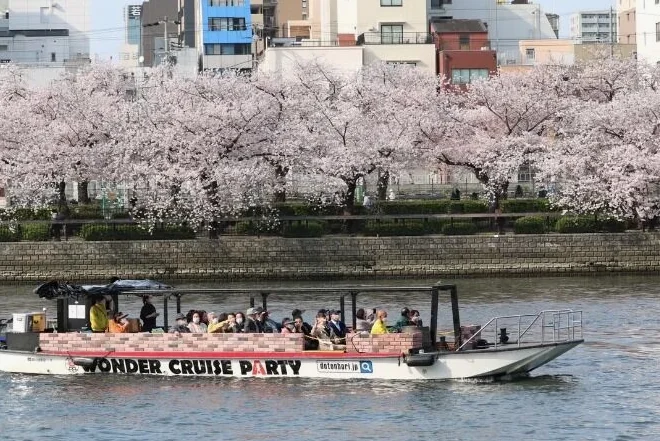
As a food journalist, I rarely recommend pure sightseeing activities, but this one serves a strategic purpose. You get a comprehensive layout of the district's geography. During spring, the view of cherry blossoms blooming over the water adds a striking visual element to the urban landscape. I sat near the edge and mentally marked the narrow streets branching off the main canal. This is crucial because the best Japan food is rarely found on the main drag; it is tucked away in the parallel side streets where rent is cheaper and chefs focus purely on flavor rather than flashy storefronts.
Why this beats walking to dinner
Taking the boat allows you to bypass the massive pedestrian bottlenecks on Ebisubashi Bridge. You arrive at your dining destination relaxed instead of exhausted from navigating dense crowds.
- Bypassing 45-minute local ticket office wait times by booking your slot online beforehand.
- Avoiding rain constraints during your sightseeing, keeping you dry before dinner.
- Planning around the inconvenience of using restrooms during the tour (use the facilities at the station before boarding, as finding public ones near the river is difficult).
How does the ride connect to authentic Japanese cuisine?
The boarding and drop-off points are situated mere steps away from alleys hiding exceptional Japanese cuisine. You can transition from the boat directly to a highly-rated dining counter within three minutes.
Most tourists disembark and immediately queue for generic, mass-produced takoyaki. Instead, I walked two blocks north to a tiny, 8-seat local establishment. A ¥980 bowl of rich tonkotsu ramen there completely outshines the famous chains with the giant dragon signs. If you prefer sushi, avoid the massive conveyor belt places on the main promenade. There is an intimate spot just south of the river that sources directly from the central market, offering incredible cuts for a fraction of Tokyo prices. Finding these local restaurants is significantly easier when you are not already drained from the street-level chaos.
Comparing the transit methods
The water route offers a seated, unobstructed view of the district's layout compared to the crowded, chaotic pedestrian paths. It costs slightly more than free walking but saves significant time and energy.
| Navigation Factor | Water Route Experience | On-Foot Navigation |
|---|---|---|
| Energy Expenditure | Minimal; seated for 20 minutes | High; constant dodging of crowds |
| Restaurant Scouting | Clear view of side alleys and lines | Obscured by foot traffic and touts |
| Cost | Requires paid ticket | Free |
Honest downsides of the experience
The primary downside is the strict boarding time and the complete lack of onboard dining options. If you miss your exact slot, finding a rebooking is nearly impossible on busy weekends.
I expected at least a small drink service, but it is strictly a transport and sightseeing vessel. My workaround is to eat a light snack before boarding, and use the 20 minutes to finalize your dinner reservations on your phone. Another negative is finding the actual boarding dock; there are several different boat companies operating along the river, and the signage can be confusing. Make sure you arrive at the correct pier 15 minutes early.
"Stable cruise operation regardless of weather" Based on information from the operator's appeal points, the vessels feature a clear roof. This means you will not get soaked on your way to dinner, though extreme storms might still cause cancellations.
Frequently Asked Questions
Here are the most common operational questions about booking and riding the boat. Knowing these policies prevents boarding day headaches and keeps your evening schedule intact.
Q: Do infants and children need to be included in the reservation count? A: Yes, infants and children must be included in the total passenger count for safety and capacity regulations. Q: Can I reserve a specific date and time? A: Advance reservations are required via the official website (wondercruise.jp), and you must select 'Other (OTA)' when booking your specific slot. Q: Does it operate even if it rains? A: The boats are equipped with a clear roof, allowing operation regardless of weather, though extreme conditions may force operator cancellations. Which hidden alleyway spot are you planning to visit after your ride? Share your dining strategy in the comments below.