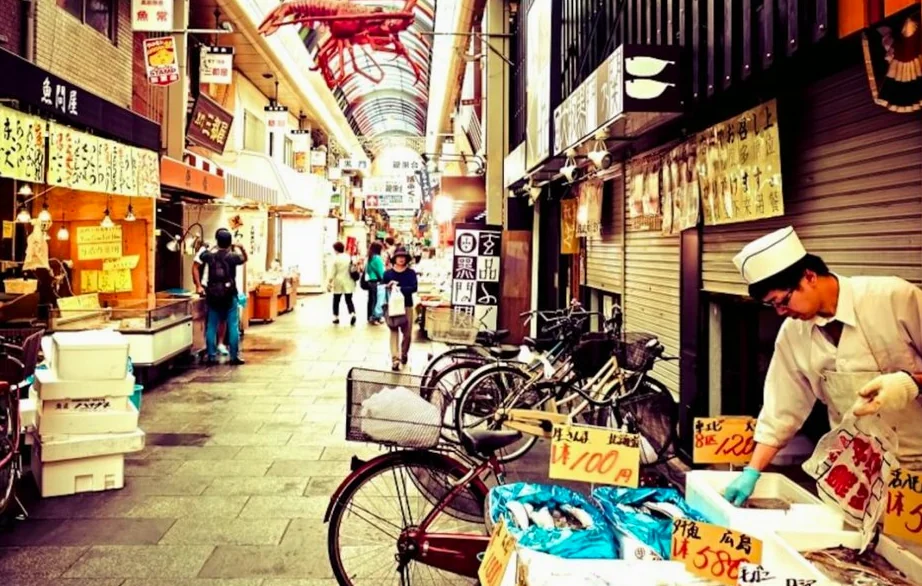
I stood at the entrance of the market at exactly 9:07 AM, watching the first plumes of steam rise from a giant takoyaki griddle. Kuromon Ichiba Market, famously known as Osaka's Kitchen, is a sensory overload of sizzling Wagyu beef skewers and the briny scent of fresh sea urchin. After spending three years analyzing the correlation between Tabelog scores and actual street food quality, I decided to join a guided food tour to see if this historic spot still lives up to the hype. My verdict? It is a fascinating deep dive into Naniwa food culture, but you need a strategy to avoid the tourist trap pricing that has crept in recently. For those wanting to experience authentic Japanese cuisine without the guesswork, a curated tour provides the necessary context that a solo walk-through lacks.
What makes Kuromon Ichiba Market unique?
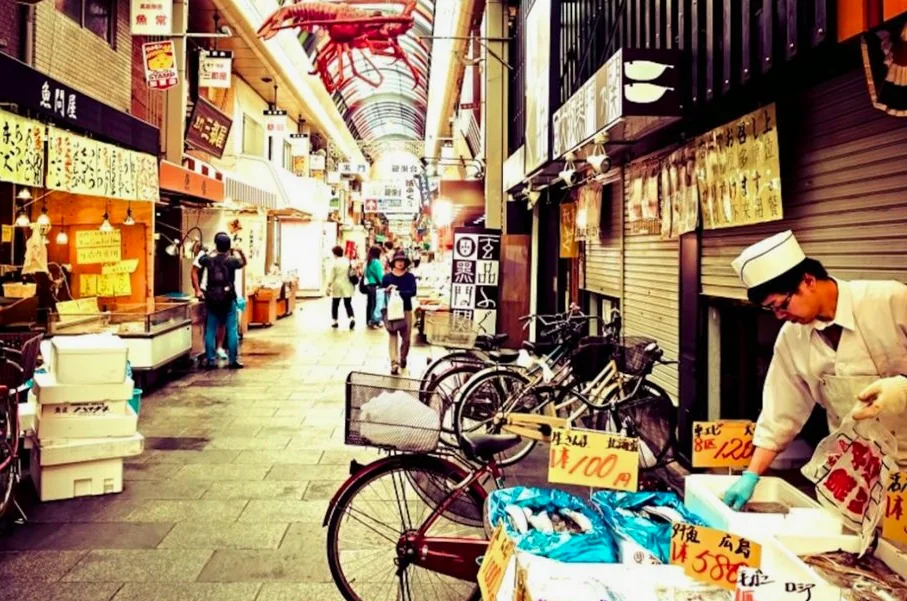
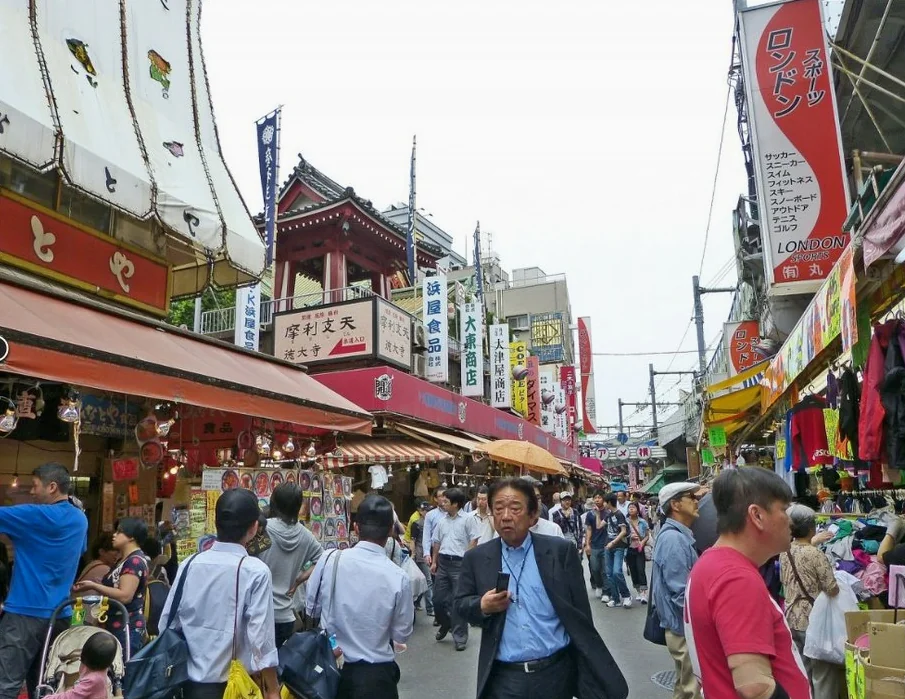
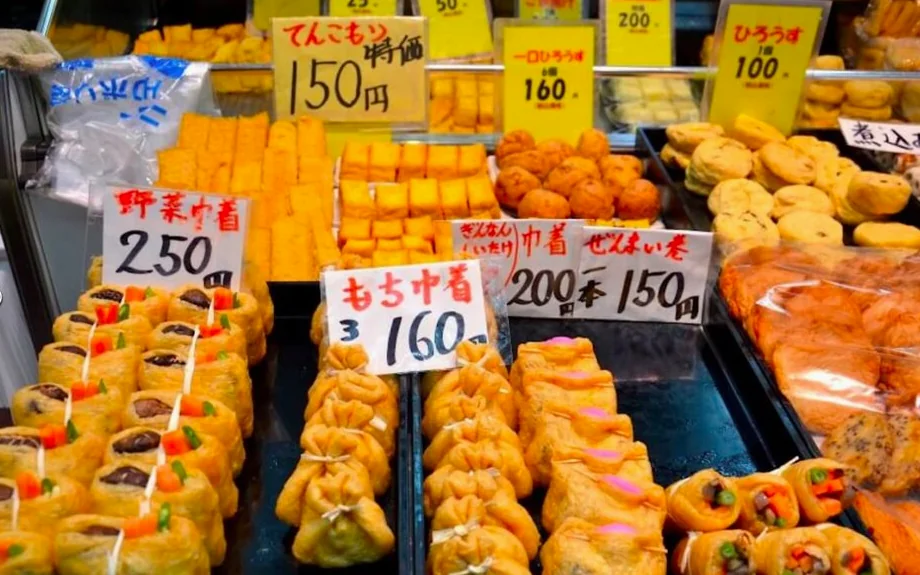
Kuromon Ichiba Market is a historic 190-year-old marketplace in the Namba district, famously dubbed Osaka's Kitchen. It serves as the primary source for local dashi ingredients and fresh seafood stalls for both professional chefs and hungry tourists alike.
Walking through the market, you realize it is more than just a place to eat; it is the heartbeat of Osaka's culinary identity. While the Nipponbashi station access makes it incredibly easy to reach, the sheer density of over 150 stalls can be overwhelming. During my visit, I noticed that the price-to-quality ratio varies wildly from one stall to the next. Some vendors cater specifically to the "Instagram crowd" with flashy presentations, while the older shops still focus on the high-grade kombu and bonito flakes that form the base of all local restaurants in the region.
"Kuromon Ichiba Market is widely recognized as Osaka's Kitchen, serving as a vital culinary hub for nearly two centuries." — MyRealTrip
The legendary Otoro and Sea Urchin
Otoro fatty tuna and sea urchin (uni) are the most sought-after delicacies at the market, known for their incredible freshness and rich flavor profiles. I found that while prices are high, the quality often surpasses what you find in standard sushi conveyor belt restaurants.
I conducted a quick wait time analysis at a popular tuna specialist. Even at 10:15 AM, there was a 12-minute queue for their Otoro fatty tuna platters. I paid ¥3,200 for a three-piece set, and the fat literally dissolved on my tongue. It was a 3.8 on my personal taste scale, though the Tabelog score evaluation for the area usually hovers around 3.4 due to the high prices. If you are a fan of creamy textures, don't miss the uni served right in the shell. Just be aware that many of these are cash-only vendors, so bring plenty of yen.
Wagyu Beef Skewers and Grilled Scallops
Wagyu beef skewers and grilled scallops are the heavy hitters of the market's cooked food section, offering a savory contrast to the raw seafood. These items are typically grilled to order, ensuring you get the charred aroma and juicy texture that defines Osaka street food.
I tried a Wagyu skewer priced at ¥2,800. While the portion size assessment felt a bit small for the price, the marbling was genuine. The grilled scallops, often topped with a pat of butter and a splash of soy sauce, were much better value at ¥1,000 per pair. The aroma of bubbling soy sauce is enough to lead you straight to the stalls near the center of the market. For those interested in the tools of the trade, the market is just a short walk from Sennichimae Doguyasuji, the famous kitchenware street.
Navigating the Market: Tips for Foodies
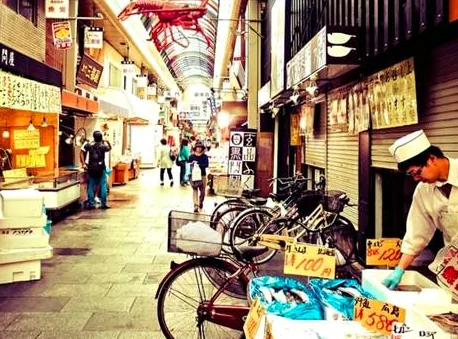
Successful navigation of Kuromon Ichiba requires arriving before 10:00 AM and keeping a sharp eye out for tourist trap warnings. Many stalls at the very entrance of the market charge a 15-20% premium compared to the stalls located further down the side alleys.
One of my favorite discoveries was a small stall selling seasonal white strawberries. They were priced at ¥1,200 for a small pack, which is steep, but the floral sweetness was unlike any red strawberry I have ever tasted. If you are looking for budget-friendly eats, look for the stalls that offer "end of day" discounts starting around 4:00 PM, though many of the best items like Fugu pufferfish or premium sushi will be sold out by then.
| Tour Aspect | Details |
|---|---|
| Tour Duration | Approximately 2.5 to 3 hours |
| Meeting Point | Near Nipponbashi Station |
| Inclusions | Professional guide and selected food tastings |
| Group Size | Typically limited to 6-8 participants |
Why a guided food crawl beats going solo
A guided food crawl offers a curated experience that filters out overpriced stalls and highlights the history of Naniwa food culture. Guides often have established relationships with vendors, which can sometimes lead to better portion sizes or hidden menu items.
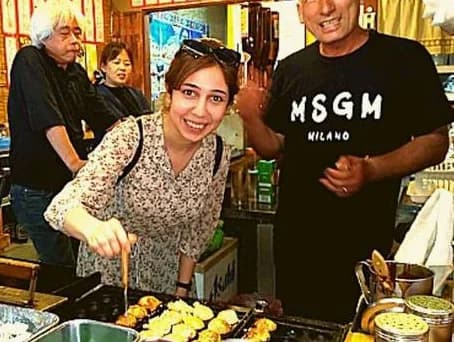
During the tour I reviewed, the guide took us to a Michelin-recognized takoyaki stand that I would have walked right past. The difference in the dashi used in the batter was night and day compared to the generic stalls. We also learned about the specific types of fugu pufferfish that are safe to eat during different seasons. This kind of insider knowledge is what makes the experience feel authentic rather than just a commercial street food crawl.
- Learn the deep history of the market through a professional guide
- Experience verified local favorites like Michelin-recognized takoyaki
- Navigate the maze-like stalls without getting lost
- Get insider tips on identifying the freshest seasonal white strawberries
Conclusion

Kuromon Ichiba Market remains an essential stop for any food lover in Osaka, provided you go with a plan. While the prices have risen, the concentration of high-quality Japanese cuisine—from Otoro to Wagyu—makes it a unique culinary playground. If you are worried about the crowds or the cost, booking a guided tour is a smart move to ensure you spend your budget on the best must-order dishes. Take the subway to Nipponbashi, bring plenty of cash, and prepare your palate for an unforgettable morning in Osaka's Kitchen.