The best sushi I’ve had in Tokyo wasn't at a three-star Michelin counter that cost ¥50,000. It was a 9-seat Edomae-style sushi spot near Ningyocho where the chef used aged fish techniques that turned a simple piece of medium-fatty tuna into a butter-like experience for just ¥8,400. After three years of living in this city and obsessively tracking the correlation between Tabelog scores and actual flavor, I've learned that the most rewarding Japan food experiences rarely happen in the most famous districts. Whether you are hunting for Shinjuku back-alley gems or navigating the complex world of Omakase reservation platforms, success depends on data and timing. I care more about the umami concentration in a broth than whether the waiter pulled out my chair. In this city of 160,000+ eateries, the difference between a mediocre meal and a life-changing one often comes down to understanding how locals actually eat.
The Tabelog Score Threshold: How Locals Find Tokyo Restaurants
The Tabelog score threshold is the most reliable metric for finding quality local restaurants in Tokyo. Unlike Google Maps, where a 4.5 often just means the staff was friendly, a 3.5 on Tabelog indicates a restaurant is in the top 3% of the country. If you find a spot rated 3.8 or higher, expect a wait time of at least 45 minutes or a requirement for bookings months in advance.
Navigating Google Maps vs Tabelog ratings is the first hurdle for any visitor. Most excellent neighborhood spots sit comfortably between 3.1 and 3.3 on Tabelog; these are the reliable daily drivers where the average price per person stays under ¥2,000 for lunch. When you hit the 3.5 mark, you are entering the territory of Bib Gourmand Tokyo selections and highly specialized artisans. For high-end Ginza fine dining, you will likely see scores pushing 4.0, but these often require TableCheck bookings or other specialized Omakase reservation platforms. I've found that the Japanese food tour ROI is highest when the guide skips the famous chains and takes you to these mid-tier Tabelog heroes.
| Metric | Local Artisan Gems | Major Tourist Chains |
|---|---|---|
| Average Tabelog Score | 3.4 - 3.7 | 3.0 - 3.2 |
| Wait Time Management | 30 - 60 minutes | 5 - 15 minutes |
| Payment Method | Cash-only establishments often | Credit cards/IC cards accepted |
Sushi Mastery: From Tsukiji Vendors to Ginza Counters
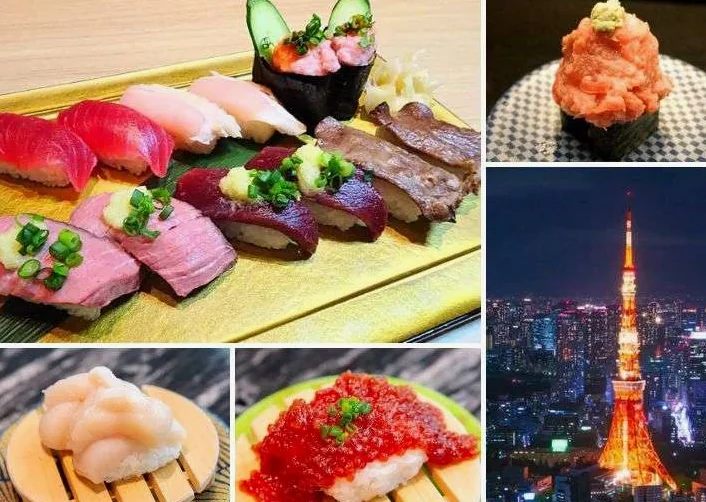
Tokyo sushi is a spectrum that ranges from the raw energy of Tsukiji Outer Market vendors to the silent precision of Ginza fine dining. The quality of a sushi meal is defined by the shari (vinegared rice) and the chef's mastery of aged fish techniques, which enhance the natural flavors of the seafood. High-end spots almost exclusively offer counter-only seating to ensure each piece is eaten within seconds of being formed.
If you are visiting the Tsukiji area, don't just follow the longest line. Some of the best Tamago-yaki quality can be found at the smaller stalls tucked away from the main thoroughfare, where a single block of sweet grilled egg costs about ¥150. For a more formal experience, Edomae-style sushi remains the gold standard. This style involves curing or marinating the fish, a tradition from the days before refrigeration. While Michelin Star versus local popularity is a constant debate, I often find that the local favorites provide a more relaxed atmosphere without sacrificing the technical skill of the chef.
"The seafood in Tokyo is of the highest world-class level." — LIVE JAPAN
Navigating High-End Bookings
Securing a seat at a top-tier sushi or kaiseki restaurant requires using Omakase reservation platforms like TableCheck or Omakase.in. Many of these establishments no longer accept phone calls from international numbers to prevent no-shows. Always check if the restaurant has a strict cancellation policy, as fees can be 100% of the meal cost if you cancel within 48 hours.
Ramen and the Art of Umami Concentration

Finding the best ramen in Tokyo involves understanding specific Shio ramen broth profiles and the technicality of tsukemen dipping consistency. Shinjuku back-alley gems, particularly in areas like Omoide Yokocho, offer intense umami concentration in cramped, 6-seat spaces where the steam hits your face the moment you walk in. These shops are usually ticket machine operation only, requiring you to choose your meal and pay before you even sit down.
I recently visited a shop in Nakano where the tsukemen dipping consistency was almost like a demi-glace, clinging to the thick, chewy noodles so effectively that no broth was left in the bowl by the end. This is the hallmark of a high-quality tonkotsu or gyokai-style soup. For those who prefer something lighter, look for shio (salt) or shoyu (soy sauce) specialists who use premium ingredients like Nagoya Kochin chicken or dried niboshi (sardines) to create a clear but complex profile.
Mastering the Ticket Machine Operation
Most local ramen shops use a vending machine at the entrance. Insert your cash first (usually ¥1,000 or ¥2,000 notes), then press the button for your desired dish—the top-left button is almost always the shop's signature "recommended" bowl. Take the small paper ticket that prints out and hand it to the staff behind the counter. Note that many of these are strictly cash-only establishments, so keep your coins handy.
Izakaya Seasonal Menus and Wagyu Grades
Izakaya seasonal menus are the best way to experience the micro-seasons of Japan food, featuring ingredients like bamboo shoots in spring or sanma (pacific saury) in autumn. These casual gastropubs allow you to sample everything from high-end Wagyu marbling grades to simple grilled vegetables. For those on a budget, depachika gourmet basements in department stores like Isetan offer an incredible variety of these same high-quality dishes at a fraction of the restaurant price.
When ordering beef, don't be fooled by the A5 label alone; while Wagyu marbling grades indicate the fat content, the actual flavor can vary wildly depending on the prefecture. I prefer an A4 grade for a better balance of meat to fat, especially when paired with the salty, fermented flavors found in traditional Izakaya cooking. If you find yourself overwhelmed by the choices, many modern spots now feature multi-language tablets for ordering, bridging the language barrier for international diners.
Essential Tokyo Dining Checklist
- Michelin vs. Local: Michelin-starred spots often require booking 2-3 months in advance via TableCheck; local favorites with high Tabelog scores usually just require a 30-60 minute wait in line.
- Dietary Alternatives: If someone in your party doesn't eat raw fish, look for specialized Tempura, Teppanyaki, or Yakitori shops which offer cooked alternatives with the same level of artisan focus.
- Overcoming Language Barriers: While many Shinjuku and Ginza spots have English menus, keep a translation app ready for handwritten Izakaya seasonal menus, or look for shops that utilize tablet-based ordering systems.
Conclusion
Tokyo's dining scene is a massive, rewarding puzzle that favors the prepared. By focusing on Tabelog scores over flashy social media trends and mastering the etiquette of ticket machines and reservation platforms, you can access flavors that most tourists miss. The real magic happens at those 8-seat counters where the chef has spent thirty years perfecting a single broth. Next time you are in the city, try wandering into a basement shop with a 3.4 rating and a line of salarymen—it might just be the best meal of your life.
Frequently Asked Questions
How much does Tokyo Omakase cost?
The price of Tokyo Omakase is usually 5,000 yen to 10,000 yen for lunch and 20,000 yen or more for dinner. Recently, hidden local restaurants that offer high-quality Edomae sushi at reasonable prices under 10,000 yen in areas slightly away from downtown areas such as Ningyocho are popular.
What is the Tabelog score standard?
When exploring restaurants in Tokyo, a Tabelog score of 3.5 or higher means it is a verified place with no failures, and 3.8 or higher is a restaurant with national fame. Tabelog's real user ratings are considered a more reliable indicator among locals than Google reviews, which have a lot of advertising.
How to make a reservation for a restaurant in Tokyo?
For famous Omakase or restaurants, you must use a dedicated reservation platform such as TableCheck or Omakase.in. Popular restaurants are usually fully booked 1-2 months before your visit, so it is best to secure a spot through the app as soon as your travel schedule is confirmed.
What are the recommended foods to eat at Tsukiji Market?
Tsukiji Outer Market is famous for its fresh Kaisendon and sweet Tamagoyaki. You should visit early in the morning to enjoy it without waiting, and the long-established restaurants that local merchants have been using for a long time are better evaluated in terms of cost-effectiveness and taste than restaurants that focus on tourists.
Recommended cost-effective restaurants in Tokyo?
If you want a reasonable gourmet experience, we recommend the Michelin Guide's 'Bib Gourmand' restaurants. You can taste high-quality ramen and soba for less than 6,000 yen, and the local long-established restaurants in the back alleys of Shinjuku also offer a great Japan food experience.
Sources
- LIVE JAPAN: Ginza Sushi Guide
- Tabelog Japan Official Database