Abeno Harukas Observation Deck: Dining and Views in Osaka
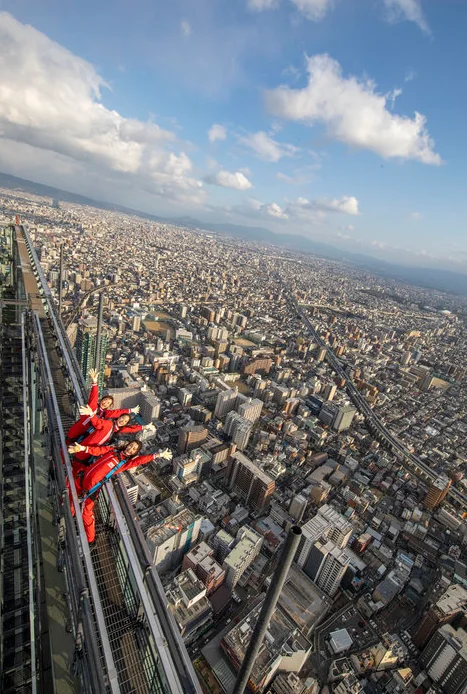
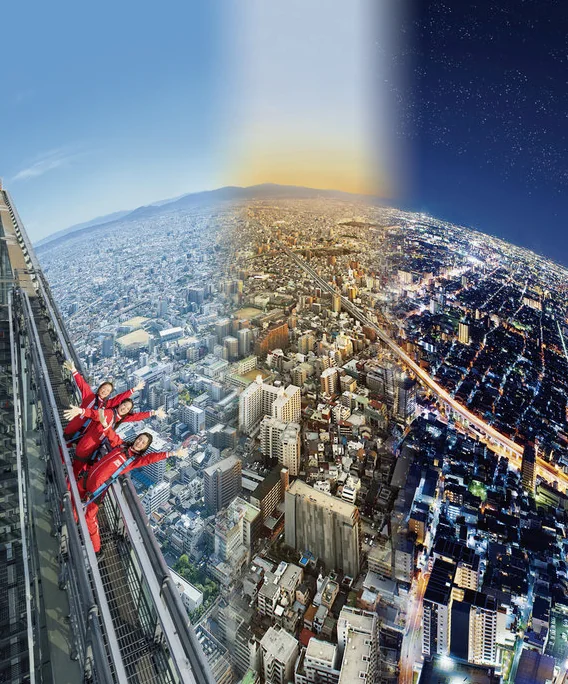
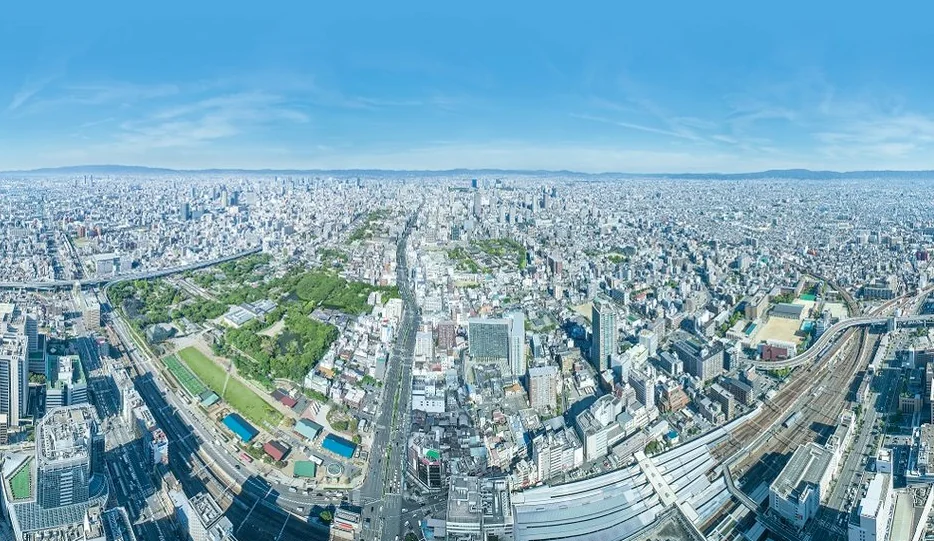
The best perspective of Osaka is found 300 meters above the ground at the top of Abeno Harukas. While the panoramic views are the primary draw, the integration of high-end Japanese cuisine within the complex makes it a destination for more than just sightseeing. I have spent years tracking how local restaurants balance tourist appeal with authentic quality, and this vertical city offers a unique case study in how elevation impacts the dining experience. Whether you are looking for a quick bite after sunset or a refined multi-course meal, the options here range from casual noodle shops to elevated sushi counters that hold their own against street-level competitors.
Dining Experiences at Abeno Harukas
Dining at Abeno Harukas is characterized by a mix of high-end establishments and accessible local favorites that prioritize fresh ingredients. Most restaurants within the tower maintain high standards of Japanese cuisine, though the price points often reflect the premium location and the stunning backdrop of the Osaka skyline.
What to Expect from Local Restaurants
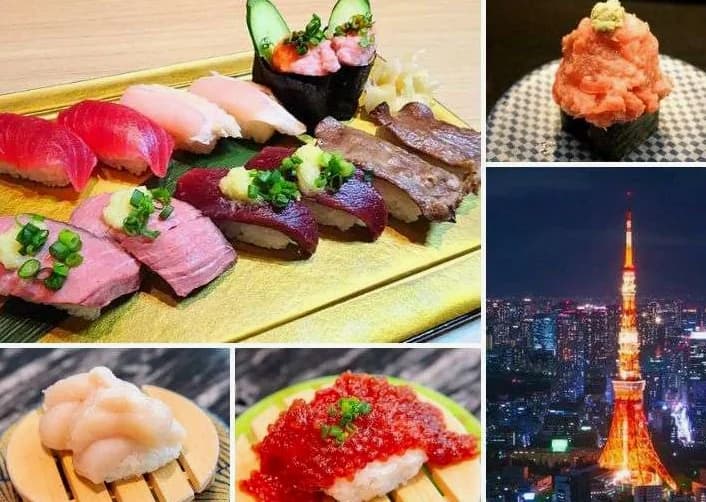
Local restaurants within the tower typically provide a more polished version of classic Japanese dishes, with lunch sets often starting around 1,800 yen and dinner courses reaching well beyond 8,000 yen. While some may view these as tourist-heavy options, the quality of ingredients, particularly the seasonal seafood and wagyu beef, is consistently high.
In my experience, the ramen and sushi spots located on the lower floors of the Kintetsu Department Store provide the most reliable value. I once waited 22 minutes for a seat at a popular udon counter during a weekday lunch rush, and the texture of the noodles—perfectly firm with a slight chew—reminded me why patience is a virtue in Japanese dining culture. It is important to note that the most popular spots often lack English menus, so having a translation app ready or knowing basic dish names can be helpful.
"The marriage of architectural height and culinary depth at Abeno Harukas offers a unique sensory journey that transcends the typical tourist trap narrative, provided you know which counters to prioritize."
Navigating Price and Quality
The correlation between price and quality here is generally positive, though one must remain wary of locations that rely solely on the view to justify their costs. I have found that the best strategy is to look for shops that serve a high volume of local office workers, as these places rarely compromise on the salt levels or the freshness of their sashimi.
One downside is that during peak hours, the noise level in the open-concept dining areas can be overwhelming. If you are sensitive to acoustics, I recommend visiting during the mid-afternoon transition between lunch and dinner, when the staff is attentive and the lines are nonexistent. For those seeking authentic Japanese cuisine, stick to the specialized vendors rather than the general food court options to ensure you receive a meal prepared with traditional techniques.
Planning Your Visit

Planning your visit to include both the observation deck and a meal requires checking the operating hours of individual restaurants, as they often close earlier than the observatory itself. According to information from MyRealTrip, access to the observation deck is a foundational part of the experience, and booking in advance can save you significant time at the entry gates.
I suggest allocating at least 3 hours for your visit—1 hour for the view and 2 hours for a relaxed meal. Keep in mind that while the view is spectacular, the food is the true heart of the experience for a dedicated observer. By choosing your dining spot based on specialty rather than proximity to the elevators, you will likely find a meal that matches the height of the view.