The sharpest umami intensity I experienced last month was not in a Michelin-starred Kyoto kaiseki, but standing outside a Hiroshima transit hub waiting for a ¥950 cabbage pancake. I spend most of my time analyzing Tabelog score correlation to actual taste across Japan, and my recent obsession has been the Chugoku region travel circuit. Getting there efficiently from Kansai usually involves the Sanyo Shinkansen. I recently tested the one-way e-ticket from Osaka, aiming to hit specific local restaurants down the coast without draining my dining budget on transit fares.
This digital ticket acts as a fast pass to high-rated regional Japanese cuisine, cutting the journey to Okayama down to 45 minutes and Hiroshima to about 85 minutes. However, the system is not without its frustrating quirks. From navigating glitchy passport scanners at the station to understanding when a Tabelog 3.6 actually warrants a 40-minute wait in the rain, this route requires strategy. Here is my breakdown of using this specific rail pass to maximize your food budget across western Japan.
How the Sanyo Shinkansen Connects Osaka to Regional Meibutsu
The Sanyo Shinkansen serves as a high-speed dining corridor connecting Osaka directly to the heart of Setouchi region specialties. It bypasses the slow local lines, allowing you to reach highly specialized regional meibutsu (local specialties) well before the lunch rush begins.
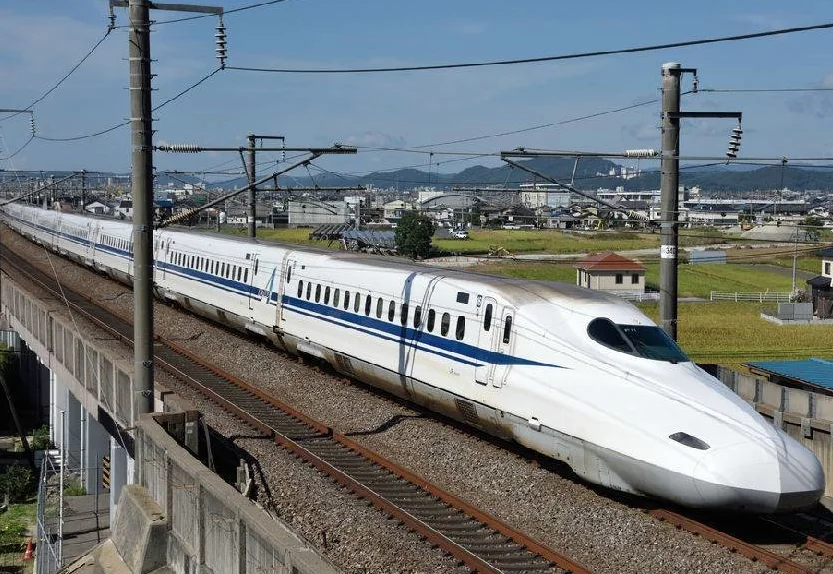
When you look at the route map from Osaka down to Fukuoka, it reads less like a transit diagram and more like a menu. The white train speeds across green fields, taking you away from the tourist-heavy Kansai dining scene and dropping you into cities where Japan food culture remains highly localized and remarkably cheap.
Shin-Osaka Station Dining and Ekiben Selection
Shin-Osaka Station dining offers a robust ekiben selection ranging from ¥1,200 to ¥2,500, providing an excellent price-to-quality ratio before boarding. These boxed meals are strictly regulated for temperature and food safety, resulting in cold but heavily seasoned dishes that pair perfectly with green tea.
I usually skip the crowded station food courts for a quick bowl of ramen and instead head straight to the bento kiosks. Last Tuesday, I grabbed a Kobe beef ekiben for ¥1,450. The meat was sliced paper-thin, maintaining a tender texture despite being chilled, and the rice absorbed the sweet soy reduction beautifully. If you want to maximize your eating time at your destination, eating on the train is a highly efficient strategy.
Navigating the QR Code Ticket Exchange
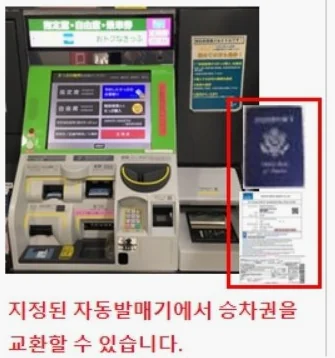
The QR code ticket exchange takes about three to five minutes at the automated green machines located near the Shinkansen gates. You must scan your physical passport and the digital voucher to print the actual paper tickets required for boarding.
Here is where I encountered a genuine downside. The passport readers on these machines are notoriously sensitive to glare. I spent four minutes adjusting my passport under the glass before the machine finally registered the barcode. If you are rushing to catch a specific train, this hardware delay can easily cause you to miss your departure. Always arrive at the ticket machines at least 25 minutes early.
My Food Itinerary: Okayama to Hiroshima
My recent trip focused strictly on high-rated Tabelog spots in Okayama and Hiroshima, prioritizing raw ingredients over restaurant ambiance. The goal was to test if the transit cost justified the drop in meal prices compared to Osaka.
- Stop 1: Okayama. Focused on vinegar-cured seafood and local fruit desserts.
- Stop 2: Hiroshima. Dedicated to iron-plate cooking and fresh shellfish.
- Stop 3: Shin-Yamaguchi. Explored hot-tile noodles and premium sashimi.
Okayama Barazushi and Kurashiki Bikan Historical Quarter
Okayama Barazushi typically costs around ¥2,200 and features preserved fish and local vegetables scattered generously over a bed of seasoned rice. The nearby Kurashiki Bikan Historical Quarter offers excellent, traditional variations of this dish within a 15-minute walk from the local station.
Tabelog scores work differently outside major metropolises. A 3.6 on Tabelog in Okayama means you are queuing for 35 minutes alongside locals. I waited outside a small sushi counter near the station for exactly that long. The barazushi had a sharp, distinct vinegar bite, balancing the fatty cuts of Spanish mackerel. Afterward, walking through Kurashiki, I found a cafe serving Okayama white peach parfaits. The fruit was aggressively sweet, contrasting perfectly with the tart yogurt base.
Hiroshima-style Okonomiyaki and Local Oysters
Hiroshima-style Okonomiyaki layers cabbage, pork, and noodles rather than mixing them into a batter, usually priced at ¥950. Pairing it with grilled Hiroshima oysters creates a meal with incredible textural contrast and heavy salt profiles.
I visited a cramped diner with a Tabelog score of 3.8. The local izakaya wait times here can stretch to 50 minutes on weekends. The chef pressed the cabbage down on the iron griddle until it caramelized, topping it with crispy noodles and a thick layer of sweet sauce. I ordered three grilled oysters on the side for ¥1,200. They were plump, metallic, and tasted like concentrated ocean water. I finished the meal with a warm Momiji Manju (maple leaf-shaped cake) filled with coarse red bean paste.
Farther Down the Line: Yamaguchi and Beyond
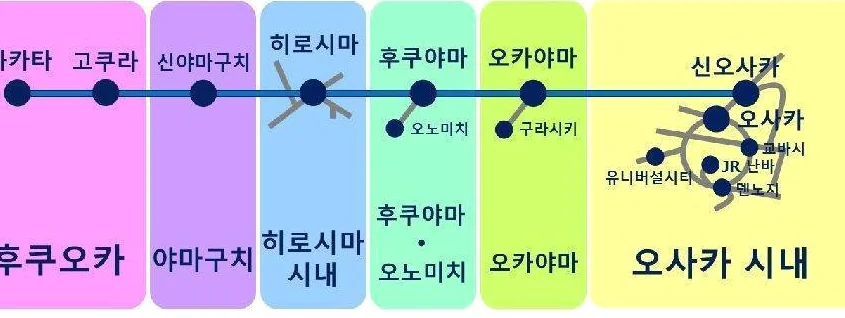
Extending the trip past Hiroshima brings you to Yamaguchi prefecture for highly specialized regional dishes. The extra 45 minutes on the train is absolutely worth the unique culinary profiles found in this western tip of Honshu.
Shimonoseki Fugu and Kawara Soba
Shimonoseki fugu (pufferfish) sashimi plates start at ¥3,500 at local markets, offering a chewy, delicate texture. Kawara Soba, served on hot roof tiles, provides a crispy matcha noodle experience that you cannot find in Osaka.
The fugu was sliced so thin I could see the ceramic plate pattern underneath it. It has very little inherent flavor, relying entirely on the acidic ponzu dipping sauce for its profile. The real standout was the Kawara Soba. The green tea noodles crisp up against the blazing hot tile, topped with sweet beef and a lemon slice. The contrast between the soft, steamed upper noodles and the crunchy, fried bottom layer is remarkable.
Ticket Specifications and Practical Drawbacks
The e-ticket system offers discounted base fares but requires strict adherence to designated train times and booking protocols. Missing your reserved slot or failing to understand the system limitations can result in unexpected fees.
Based on the official booking page [1], this digital pass is designed specifically for foreign visitors.
"Affordable travel from Osaka to major destinations." Here are the core benefits I noted during my transit:
- Low travel costs compared to buying individual segments at the station window.
- Comfortable train environment with ample legroom for dining on board.
- Convenient usage via e-ticket, provided the station hardware cooperates.
| Ticket Category | Pass Limitations |
|---|---|
| Route Coverage | Osaka City to Kurashiki, Okayama, Hiroshima, Shin-Yamaguchi, Kokura, Hakata |
| Ticket Format | Digital QR code requiring physical exchange |
| Eligibility | Non-Japanese passport holders with temporary visitor status |
| Validity Period | Valid only on the selected date of travel |
Nozomi vs Sakura Train Options
The Nozomi train is the fastest option, skipping minor stations, while the Sakura train offers slightly wider seats in the reserved section. Both are generally covered depending on your specific ticket tier and destination.
If you prioritize comfort while eating your ekiben, aim for the Sakura train. The 2x2 seating arrangement in the reserved cars feels significantly more spacious than the 3x2 on the Nozomi. If you have time to kill and want a bizarre aesthetic experience, you can try to catch the Hello Kitty Shinkansen running on the slower Kodama line, though I find the bright pink interior slightly overwhelming before my morning coffee.
E-ticket Booking and Shinkansen Seat Reservation Realities
E-ticket booking through JR West online reservation systems can sometimes reject foreign credit cards, requiring multiple attempts. Shinkansen seat reservation is mandatory if you are traveling with oversized luggage exceeding 160cm in total dimensions.
My biggest frustration was the payment gateway. The system rejected my primary Visa card twice before finally accepting a Mastercard. This is a known issue with Japanese transit portals. Additionally, if you fail to secure an oversized baggage seat, you will be fined ¥1,000 on board and your luggage will be moved. Plan accordingly and pack light if you are just doing a 3-day eating tour.
trading the high dining costs of Osaka for the localized, umami-rich dishes of the Chugoku region is a smart play. The food quality far outweighs the minor technical hurdles of the ticket machines. What regional dish makes you willing to book a train ticket?
Frequently Asked Questions
How to use the Sanyo Shinkansen E-ticket from Osaka to Hiroshima?
You can use the Sanyo Shinkansen E-ticket by scanning your QR code at a JR West green ticket machine or ticket office to redeem your physical boarding pass. After completing your JR West online reservation, head to Shin-Osaka Station with your passport for verification. Once you have the physical ticket, insert it into the Shinkansen ticket gates. This digital pass is the fastest way to travel from Osaka to the Chugoku region, allowing you more time to hunt for authentic Hiroshima-style okonomiyaki and local ramen.
Is the Sanyo Shinkansen E-ticket worth it for food travelers?
Yes, the Sanyo Shinkansen E-ticket is worth it because it offers a significant discount over standard walk-up fares, freeing up your budget for high-rated Tabelog local restaurants. Traveling from Osaka to Okayama in just 45 minutes or Hiroshima in 85 minutes means you can enjoy a premium sushi lunch and return for dinner in Osaka. For culinary travelers prioritizing efficiency and savings, this E-ticket acts as a cost-effective bridge to the unique flavors of Western Japan.
Sanyo Shinkansen vs. Local Trains: which is better for visiting Okayama?
The Sanyo Shinkansen is significantly better than local trains because it reduces the travel time from nearly three hours to only 45 minutes. While local JR lines are cheaper, the Shinkansen E-ticket provides the speed necessary to explore Kurashiki’s canal district and Okayama’s famous fruit parfaits in a single day trip. If you value your time and want to avoid multiple transfers, the Shinkansen is the superior choice for a comfortable and rapid journey from Shin-Osaka.
What are the downsides of the Sanyo Shinkansen E-ticket?
The primary downside of the Sanyo Shinkansen E-ticket is the lack of flexibility and the requirement for physical ticket redemption. Most E-tickets are for specific one-way segments and cannot be easily changed once you are at the station. You must also ensure you use a JR West machine, as other regional machines (like JR Central) may not recognize the QR code. Additionally, seat selection might be limited compared to full-price fares, so it is best to book your preferred time early via the online portal.
Can I eat local food on the Sanyo Shinkansen from Osaka?
Yes, eating on the Sanyo Shinkansen is a popular tradition, and you should pick up an 'Ekiben' (station bento) at Shin-Osaka before boarding. The station offers a massive selection of Japanese cuisine, ranging from Kobe beef boxes to Osaka-style sushi. Since the journey to Hiroshima or Yamaguchi is relatively short, enjoying a high-quality Ekiben on the train is a great way to sample regional flavors while enjoying the high-speed transit. Just remember to take your trash with you when you depart.