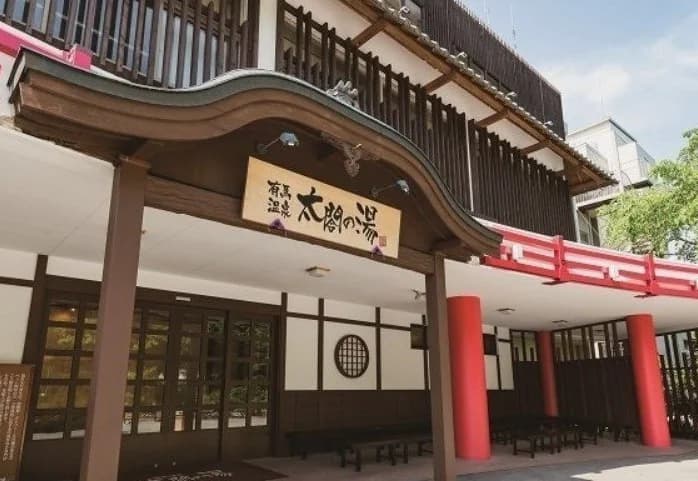
The most memorable piece of beef I tasted in Hyogo Prefecture was not at a flashy tourist trap, but inside a quiet, traditional wooden exterior in the Sannomiya dining district. A single cut of A5 grade marbling Japanese black cattle (Kuroge Wagyu) sizzled on the grill, filling the room with the distinct aroma of high-quality fat. As a food journalist covering Japan food, I approach luxury dining with skepticism. The dinner plan at Tajimaji—a directly managed restaurant (Chokueiten) of the famous Kinosaki Onsen Nishimuraya—costs a premium, typically starting around ¥22,000 depending on the omakase steak cut [1]. However, the incredibly low beef fat melting point of their signature cuts justifies the expense for serious meat enthusiasts. The authentic ryokan hospitality carries over directly from their historical hot spring resort, making the service impeccable. While the price point is steep and reservation wait times can stretch to three weeks, the precision of the meal offers a masterclass in regional Japanese cuisine.
What makes the beef quality at Tajimaji stand out?
The beef quality stands out due to the restaurant's exclusive access to top-tier regional cattle through its ryokan parent company. They secure premium cuts that guarantee exceptional marbling, resulting in a buttery texture that standard steakhouses rarely match.
Understanding Tajima beef lineage and Kobe beef certification
Kobe beef certification requires meat to originate strictly from purebred Tajima cattle raised in Hyogo Prefecture. This rigorous genetic and regional requirement ensures a consistently rich, sweet flavor profile that lesser grades cannot replicate.
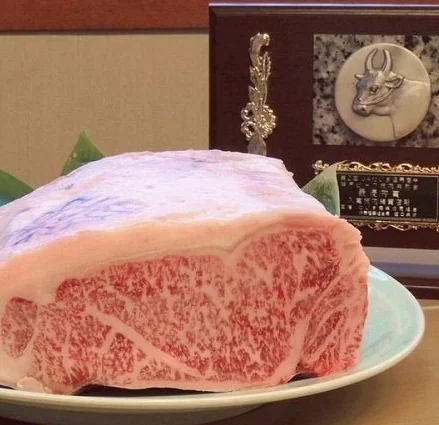
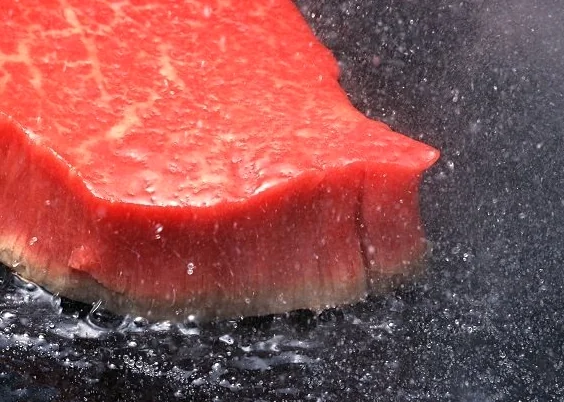
Before the cooking begins, the chef presents the raw meat block to the table. The white marbling is so dense and intricately woven that it almost overtakes the red muscle. The Tajima beef lineage is famous for this specific trait. Unlike standard local restaurants that might serve generic domestic beef, Tajimaji only handles certified cuts. The difference hits your palate immediately; the meat does not just chew, it dissolves.
The science of Sashi fat distribution
The restaurant selects cuts with a Beef Marbling Standard (BMS) of 10 or higher out of 12. This high BMS rating guarantees optimal sashi fat distribution, which is crucial for achieving a melt-in-the-mouth texture without feeling overly greasy.
When assessing high-end beef, I always look at how the fat is integrated. Poorly marbled beef has thick, isolated chunks of fat. Here, the fat is threaded like fine silk through the muscle. This specific distribution means that every millimeter of the steak renders evenly when it hits the heat.
How much does the dinner course cost per person?
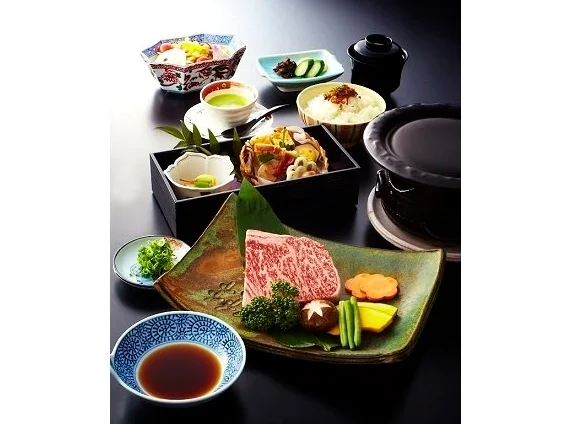
A dinner course price per person typically ranges from ¥22,000 to ¥35,000, heavily dependent on the specific gram weight and cut of the steak. While dinner is an investment, lunch offers a slightly more accessible entry point for budget-conscious travelers.
| Service Time | Estimated Price | Menu Focus |
|---|---|---|
| Lunch Service | ¥8,500 - ¥12,000 | Smaller cuts, streamlined appetizers |
| Standard Dinner | ¥22,000 - ¥28,000 | Full kaiseki flow, premium sirloin |
| Omakase Dinner | ¥35,000+ | Rare cuts (chateaubriand), extensive pairings |
Analyzing Tabelog scores against actual taste
Tajimaji maintains a Tabelog score analysis average hovering around 3.7, which indicates a highly regarded establishment among discerning local diners. In my experience, this score accurately reflects the superior ingredient quality, though the high beverage markup slightly impacts the value rating.
For context, a 3.5 on Tabelog is genuinely excellent—whether you are looking at ramen, sushi, or fine dining. A score of 3.7 in the competitive Kobe beef category means the restaurant consistently delivers on its promises. The only downside I noted was the rigid pacing of the courses. Because they time the teppanyaki precisely, you cannot linger over your appetizers as long as you might want. If you eat slowly, the staff might subtly rush you to ensure the beef is served at its peak temperature.
What is the teppanyaki preparation process like?
The teppanyaki preparation involves searing thick cuts of wagyu on a high-heat, flat iron surface right in front of the diners. This method creates a rapid external crust while keeping the delicate interior perfectly rare to medium-rare.
Iron plate vs charcoal grilling techniques
Iron plate cooking provides a uniform, edge-to-edge sear that traps intramuscular fat far better than open flames. While charcoal grilling imparts a smoky flavor, the iron plate preserves the pure, unadulterated taste of the premium wagyu.
Watching the chef work is half the experience. As the thick wagyu steak hits the iron, the fat begins to sizzle and pop, creating a perfect Maillard reaction and crust. The chef slices the meat with surgical precision. To cut through the richness, they provide specific condiments. The Wasabi and Moshio salt pairings are essential; the sharp heat of the freshly grated wasabi neutralizes the heavy fat, while the mineral-rich seaweed salt enhances the beef's natural sweetness. I highly recommend pairing this with a dry Hyogo Prefecture local sake to cleanse the palate between bites.
Appetizers and palate cleansing courses
The meal begins with delicate kaiseki-influenced appetizers that showcase seasonal ingredients from the surrounding region. Later, palate cleansing courses featuring citrus or light broths prepare the mouth for the intensely rich main course.
- First Course: Seasonal vegetable pairings, often lightly blanched or served as a cold terrine.
- Second Course: A clear, dashi-based soup that warms the stomach.
- Main Event: The teppanyaki steak, served in stages so it never gets cold on your plate.
- Finishing Dish: Garlic rice cooked in the leftover beef fat, followed by a light seasonal dessert.
Practical details for visiting the Sannomiya dining district
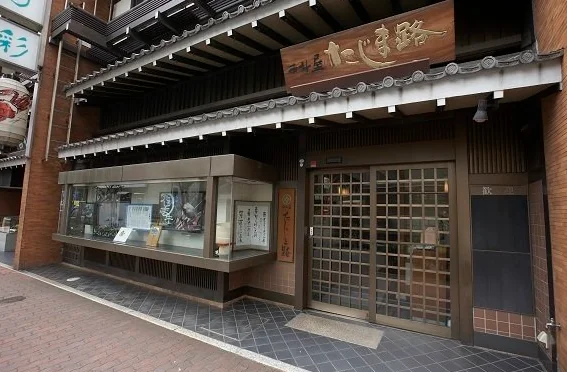
The restaurant is located in the bustling Sannomiya area but maintains a remarkably quiet, traditional atmosphere inside. Visitors should expect strict adherence to Omotenashi service standards and must secure reservations well ahead of their trip.
Many reviews commonly mention that stepping into Tajimaji feels like being transported directly to the Nishimuraya ryokan in Kinosaki, completely isolated from the noisy city streets outside. If you plan to visit, do not walk in expecting a table. You need to book at least two to three weeks in advance, especially for Friday or Saturday nights. Also, note that while the food is exceptional, the drink menu is aggressively priced. A single glass of house wine or standard sake will easily add ¥2,000 to your bill. I combated this by sticking to a single, high-quality local sake rather than ordering multiple rounds.
Frequently Asked Questions
Here are common questions travelers have when booking a luxury beef dinner in this region. These cover booking requirements, dress codes, and menu options.
Q: Is there a strict dress code for dinner? A: Yes, smart casual is expected. Avoid shorts, sleeveless shirts, and open-toed shoes for men. The atmosphere is refined and traditional. Q: Can I request my steak well-done? A: You can, but the chefs strongly advise against it. Cooking A5 wagyu past medium destroys the delicate fat structure and ruins the texture. Q: Do they offer non-beef alternatives? A: This specific restaurant focuses almost entirely on beef. Seafood options are extremely limited and must be requested days in advance during booking. dining at Tajimaji is less about just eating dinner and more about experiencing the pinnacle of Japanese beef cultivation. The precision of the cooking, the quality of the raw ingredients, and the historical ryokan service make it a genuinely memorable investment for any serious food traveler.