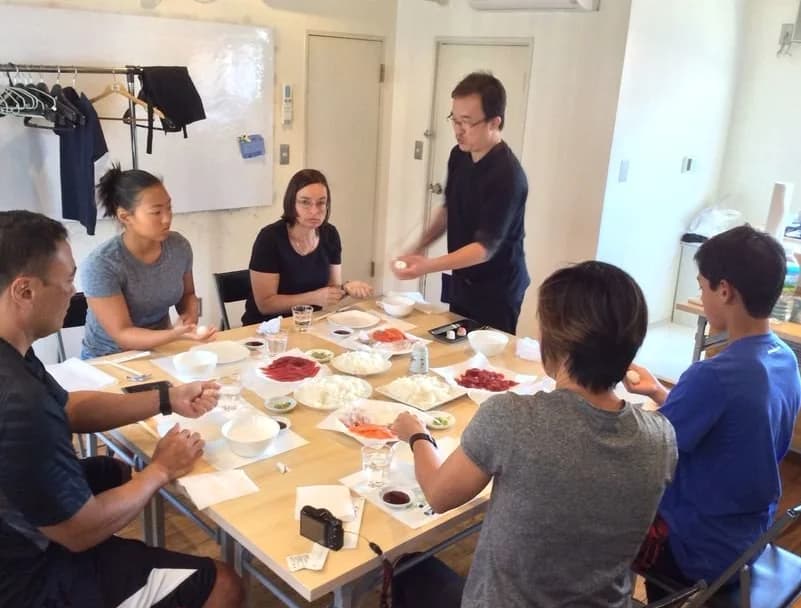
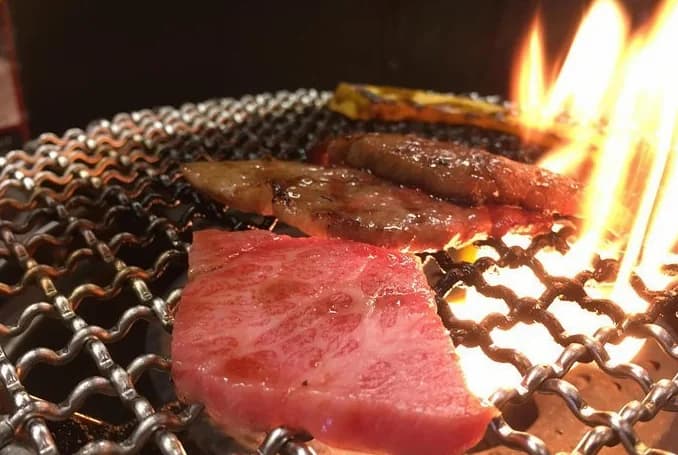
I spent ¥14,800 and three hours walking through narrow alleys smelling of roasted soy sauce and raw ocean to see if a guided food tour actually beats exploring alone. When evaluating Japan food experiences, I rely heavily on data: wait times, price-per-bite ratios, and actual ingredient quality rather than tourist hype. The Tsukiji Outer Market (Jogai Shijo) is a chaotic maze where a brilliant ¥850 bowl of ramen sits right next to an overpriced, mediocre seafood trap. I recently joined a guided tasting tour to break down the exact cost-performance of the stops, analyzing everything from the temperature of the sushi rice to the exact flavor profile of the tuna. Here is my unfiltered breakdown of the market's current state, what you should actually order, and whether paying for a local guide makes mathematical sense for your stomach.
Is a Guided Tsukiji Food Tour Worth the Price?
A guided tour offers structured access to high-demand stalls and historical context, but it comes with a premium price tag compared to self-guided eating. Based on information from MyRealTrip, these tours typically cost around ¥14,000 to ¥15,000 per person and include several curated food stops along with local commentary. The fundamental trade-off is paying a premium for efficiency and curation versus wandering blindly and risking your budget on subpar vendors.
Evaluating the Market Tour Guide Value
The real value of a guide lies in bypassing language barriers and understanding seasonal seafood availability (Shun). You are essentially paying for their established relationships with the vendors, which sometimes results in slightly larger portions or skipping a 25-minute queue.
During my experience, the guide knew exactly which local restaurants maintained consistent quality despite the massive influx of daily visitors. However, the genuine downside is the pacing. When you find a stall you love, you cannot linger. I wanted to spend more time observing the intricate Aritsugu knife craft at a nearby hardware shop, but the group had to move on to the next tasting station. If you prefer a slow, methodical approach to your Japanese cuisine exploration, the rigid schedule of a tour might feel restrictive.
Toyosu Market Comparison: Why Tsukiji Still Wins for Street Food
While the wholesale fish auctions moved to Toyosu, Tsukiji Outer Market retained the dense, historic network of retail food stalls and standing bars. Toyosu is notoriously sterile and enclosed behind glass, whereas Tsukiji offers the chaotic, authentic street-level dining experience.
The difference is stark. Toyosu is a modern logistics hub; Tsukiji is a living, breathing kitchen. Walking through Tsukiji, the air is thick with the smell of sweet soy and grilling seafood. You get to interact directly with the merchants, many of whom have operated in the same 3-square-meter booths for four generations.
Standout Tastings and Cost-Performance Analysis
The best value in the market comes from specialized single-item vendors rather than massive tourist-trap seafood halls. My cost-performance (CP) analysis reveals that spending ¥3,000 on three high-quality snacks yields a far better culinary experience than a single mediocre ¥4,000 mixed bowl.
Tamagoyaki (Rolled Omelet) Stands and Street Snacks
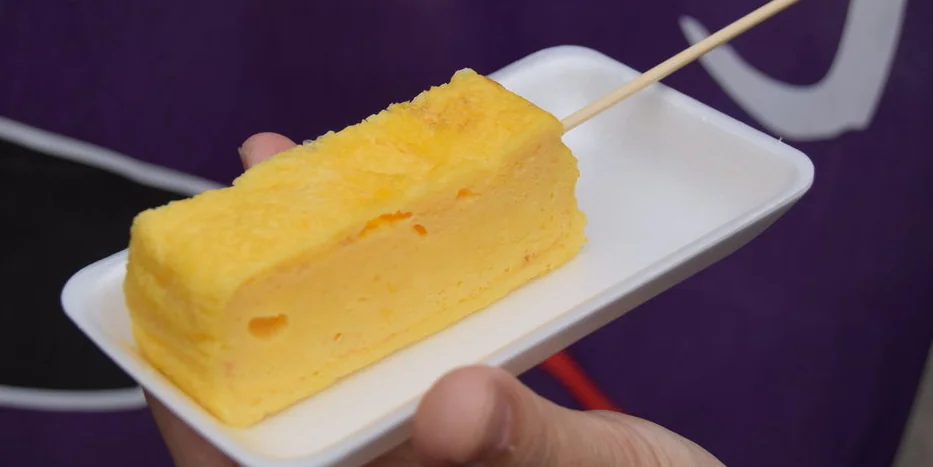
Freshly made tamagoyaki stands offer the highest CP ratio in the market at roughly ¥100 to ¥150 per stick. They are dense, intensely sweet, and served piping hot right off the rectangular copper pans.
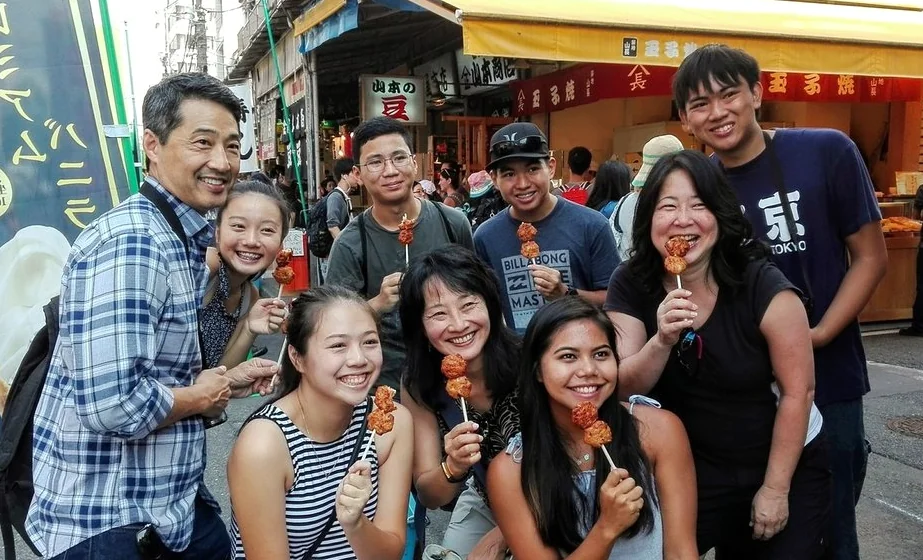
Our tour stopped at one of the famous egg vendors, and the texture was remarkably custardy without being runny. We also tried some local fish cake skewers for about ¥300 each. They were chewy, served warm, and offered a savory contrast to the sweet egg. The key is eating these items immediately; the quality drops drastically once they cool down.
| Tasting Stop | CP Rating (Out of 5) | Wait Time & Notes |
|---|---|---|
| Tamagoyaki Skewer | 4.8 | 12 mins. Moves fast, highly worth the ¥150. |
| Fish Cake Skewer | 4.2 | 5 mins. Great savory balance. |
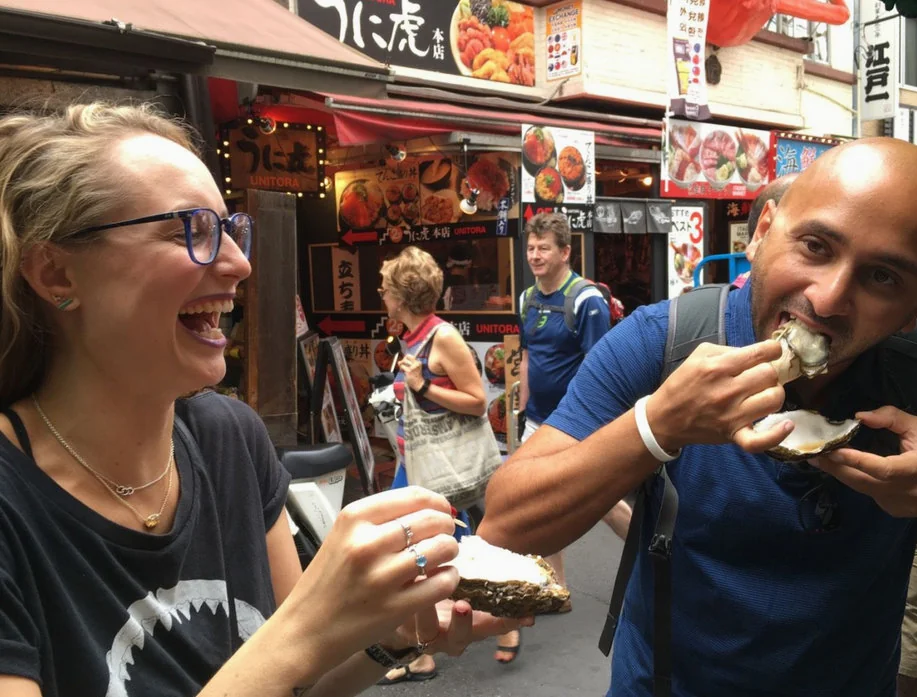
| Giant Raw Oyster | 3.5 | 8 mins. Costs ¥1,200. Briny but pricey for a single bite. |
The Standing Sushi Bars (Tachigui) Experience
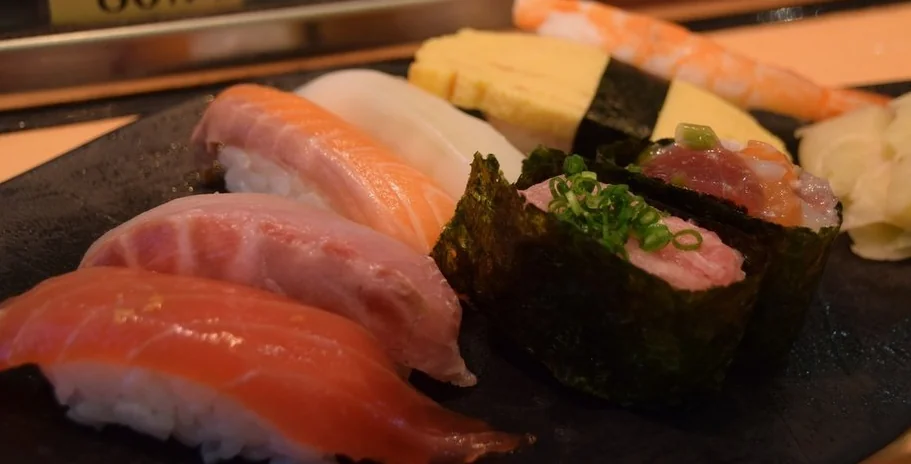
Tachigui joints offer premium cuts at a 20-30% discount compared to seated restaurants, provided you don't mind eating on your feet. Expect to spend about ¥2,500 to ¥3,200 for a solid 8-piece set at these standing-room counters.
Tabelog scores work differently from Google ratings; a Tabelog score 3.5 benchmark is genuinely excellent, and finding a standing bar with this rating guarantees a serious meal. I had a tuna and salmon set that perfectly demonstrated the necessity of proper Shari (seasoned sushi rice) acidity. The slight vinegar tang cut right through the rich Otoro fatty tuna marbling. Furthermore, the Hon-wasabi pungency was floral rather than purely spicy, elevating the Akami vs Chutoro flavor profiles. This was a textbook display of unpretentious, high-level sushi.
Navigating the Seafood Bowls: A Data-Driven Look
A proper seafood bowl should balance the temperature of the rice with the chill of the fish. Many tourist spots fail this basic test, serving overly warm rice that begins to cook and ruin the raw protein resting on top.
Kaisendon Price-Point Evaluation
A reliable kaisendon in Tsukiji should cost between ¥2,800 and ¥3,500 for standard cuts. Anything priced over ¥4,500 usually relies on luxury toppings that may not reflect a proportional increase in base quality.
When evaluating a bowl, I look closely at the Chirashi-don rice-to-fish ratio. You should not be left with a massive mound of dry rice after finishing the seafood. Proper soy sauce application techniques are also vital here—never pour the soy sauce directly over the bowl. Instead, dip the fish individually or lightly brush it. A good set will often come with a side of Miso soup with asari clams, where the intense Umami concentration in dashi provides a necessary palate cleanser between rich bites of fish.
Uni (Sea Urchin) Grade Comparison
Market uni ranges from watery, metallic-tasting ¥800 portions to creamy, sweet ¥3,500 premium grades sourced from Hokkaido. The cheaper trays often use alum as a preservative, which heavily impacts the final flavor, leaving a bitter aftertaste.
During the tour, we had the option to upgrade our bowls. I strongly advise against buying the cheapest uni available on the street. If you are going to eat sea urchin, pay the premium for the alum-free (muban) variety. Alternatively, if you want rich flavor without the high price tag, look for vendors selling grilled scallops with butter (Hotate); the caramelization of the soy-butter glaze offers incredible depth for a fraction of the cost of premium uni.
Essential Logistics for the Morning Market
Visiting the market requires strategic timing and preparation, as peak crowds arrive by 9:30 AM. Arriving early and carrying physical yen are non-negotiable requirements for a smooth and frustration-free visit.
Wait Time Management and Tabearuki Rules
Street food etiquette (Tabearuki) strictly prohibits eating while walking; you must consume your food immediately adjacent to the stall you bought it from. Wait time management is critical, as lines for popular spots can exceed 45 minutes by mid-morning.
You will see designated eating zones next to most vendors. Do not block the narrow aisles. The market is still a functioning commercial space, and delivery carts will not slow down for tourists taking photos. Eat quickly, dispose of your trash at the same vendor where you bought the food (there are virtually no public trash cans), and move on.
Cash-Only Vendor Logistics
Despite Tokyo's rapid modernization, about 60% of the small traditional vendors in Tsukiji still operate exclusively in cash. Morning market operating hours dictate that you should arrive by 8:15 AM before the highest-quality items sell out.
Do not rely on credit cards or Suica cards for the smaller street snacks. Bring at least ¥10,000 in small bills and coins. Trying to break a ¥10,000 note for a ¥150 egg skewer at 8:00 AM will annoy the vendor and slow down the queue.
Frequently Asked Questions
 Q: What is the best time to arrive at Tsukiji Outer Market? A: Arrive between 8:00 AM and 8:30 AM. This gives you access to the freshest cuts before the massive tour bus crowds arrive at 10:00 AM, while ensuring all vendors are fully open. Q: Do I really need to book a guided tour to enjoy the market? A: No, you can easily walk the market alone. However, a tour is beneficial if you want curated historical context, translation assistance, and a structured itinerary without having to research individual Tabelog scores yourself. Q: Are there non-seafood options available? A: Yes. You can find excellent A5 Wagyu beef skewers, rich chicken broth ramen, strawberry mochi, and the famous sweet rolled omelets throughout the outer market alleys. Tsukiji remains a mandatory stop for anyone serious about understanding Tokyo's food culture. Just remember to skip the flashy, overpriced seafood halls on the main road and dive into the narrow, smoke-filled alleys where the real cooking happens. What has been your standout street food experience in Japan? Let me know if you prefer the standing bars or the seated restaurants.