Tokyo's nightlife is a complex web of akachochin (red lanterns) and hidden alleys. To truly experience the city, you need to move beyond tourist traps and embrace hashigozake—the art of pub crawling through local izakayas. I spent several nights analyzing ratings and wait times to find the perfect balance of cost and authenticity. From smoky yakitori stalls to standing bars, the real Tokyo reveals itself after 7 PM.
Decoding Japanese Drinking Culture: More Than Just Beer
Japanese drinking culture centers around hashigozake (pub crawling) and small plates meant for sharing. Expect an otoshi or mandatory table charge, which usually comes with a small appetizer to start your meal. It is a social ritual where the atmosphere is just as important as the nihonshu or namabeer being served.
In my three years of data-driven gourmet analysis, I have noticed that the most authentic experiences happen in cramped spaces. When you enter a local izakaya, the first thing you notice is the noise—a mix of laughter and the clinking of glasses. The otoshi fee, usually ranging from 300 to 500 JPY, might surprise first-timers, but it is a standard part of the local atmosphere. I found that places serving a house-made motsunikomi as their otoshi often have the highest culinary standards.
The Importance of Tabelog and Google Maps Ratings
In Tokyo, a Tabelog score of 3.5 is considered excellent, while Google Maps ratings over 4.0 often indicate tourist-friendly spots. I've found that local hidden gems often sit in the 3.2 to 3.4 range on Tabelog but offer the most authentic flavors. These scores reflect the strictness of local reviewers who rarely give perfect marks.
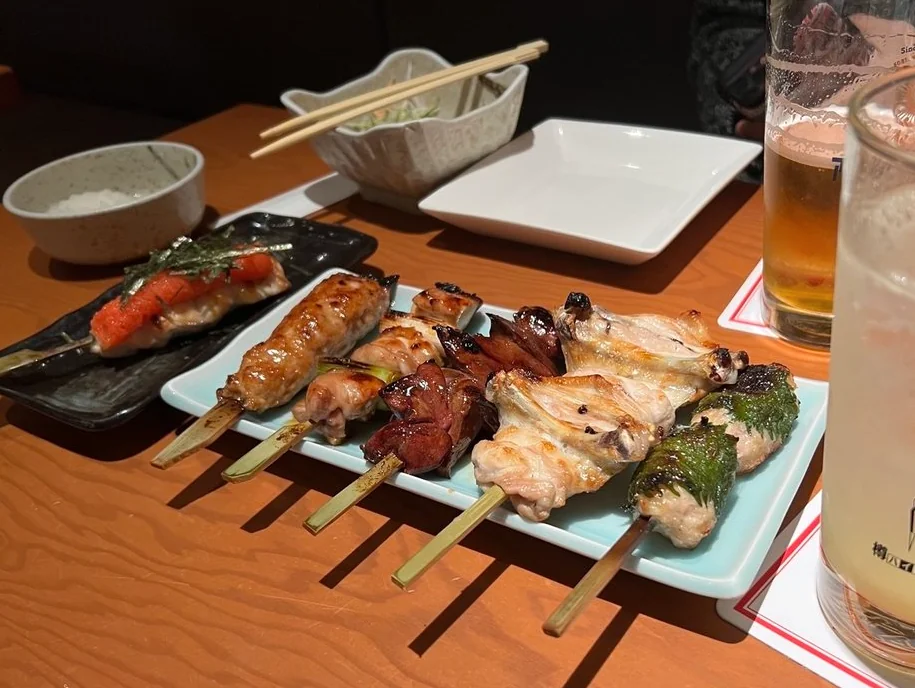
While many travelers rely solely on Google, I always cross-reference with Tabelog. For example, a yakitori spot in Shinjuku might have a 4.5 on Google due to its English menu, but a 3.1 on Tabelog because locals find the seasoning too salty. During my last tour, I chose a spot with a 3.42 Tabelog rating. The wait time was about 22 minutes, but the handmade skewers were far superior to the high-traffic chains nearby. It is about finding that sweet spot where the data meets the actual taste.
| Service Aspect | Local Expert Tour | Standard Group Tour |
|---|---|---|
| Group Size | Small (max 6 people) | Large (15+ people) |
| Location Selection | Hidden gems in backalleys | Mainstream chain izakayas |
| Cultural Insight | Deep dive into etiquette | Basic menu translation |
Top Districts for an Authentic Izakaya Experience
Shinjuku Omoide Yokocho and Shibuya Nonbei Yokocho are the most iconic spots for traditional akachochin vibes. For a more rugged, local feel, the Gado-shita areas (under the tracks) in Yurakucho or the bustling stalls of Ueno Ameyoko are unbeatable. Each district offers a different slice of Tokyo's drinking heritage.
I recently spent an evening at Ebisu Yokocho, which feels like a vibrant indoor market. Unlike the narrow alleys of Shinjuku, Ebisu is better for those who want to mingle with locals. However, if you prefer the classic "Blade Runner" aesthetic, nothing beats Shinjuku Omoide Yokocho. Just be prepared for the smoke; the yakitori grills are constantly working. In Ueno Ameyoko, the tachinomi (standing bar) culture is king. It is a cost-effective izakaya heaven where you can grab a drink and a snack for under 1,000 JPY before moving to the next stall.
- Conquer local izakayas frequented by residents.
- Experience gourmet insights through a professional guide.
Budgeting and Menu Recommendations
A typical budget per person for a local izakaya tour ranges from 3,500 to 5,500 JPY. This usually covers two to three drinks and several plates like yakitori or seasonal specials. If you opt for a nomihodai (all-you-can-drink) plan, expect the price to lean toward the higher end of that range.
When looking at menu recommendations, I always suggest starting with the house specialty. In many Yurakucho spots, that is the motsunikomi. It is hearty, salty, and pairs perfectly with a cold beer. If you are in a yakitori-focused shop, ask for the "omakase" set of 5 or 8 skewers. This allows the chef to serve what is freshest that day. For those on a budget, look for shops that don't have a reservation required policy, as they tend to be more casual and lower in price.
"A guide made by a guide who loves drinking."
Conclusion

Navigating Tokyo's izakaya scene is an exercise in balancing data with intuition. By understanding the nuances of Tabelog scores and the etiquette of the otoshi, you can unlock a side of the city that most tourists miss. Whether you are standing at a bar in Ueno or squeezed into a booth in Shinjuku, the key is to stay curious and keep moving. Next time you see a red lantern, don't hesitate to step inside—just remember to check the budget per person first.

What is a good Tabelog rating for an izakaya?
A Tabelog score of 3.5 is considered excellent in Japan. Local hidden gems often score between 3.2 and 3.4 on Tabelog but offer the most authentic flavors.
What is the typical budget for an izakaya visit?
A typical budget ranges from 3,500 to 5,500 JPY per person, covering two to three drinks and several plates. All-you-can-drink plans lean toward the higher end.
What is an otoshi charge?
An otoshi is a mandatory table charge at most izakayas, usually ranging from 300 to 500 JPY. It typically comes with a small complimentary appetizer.
Which Tokyo districts are best for izakaya crawling?
Shinjuku Omoide Yokocho, Shibuya Nonbei Yokocho, Yurakucho Gado-shita, and Ueno Ameyoko are among the top districts for authentic izakaya experiences.
What is hashigozake?
Hashigozake is the Japanese tradition of pub crawling, moving from one izakaya to another in a single evening to enjoy different specialties.