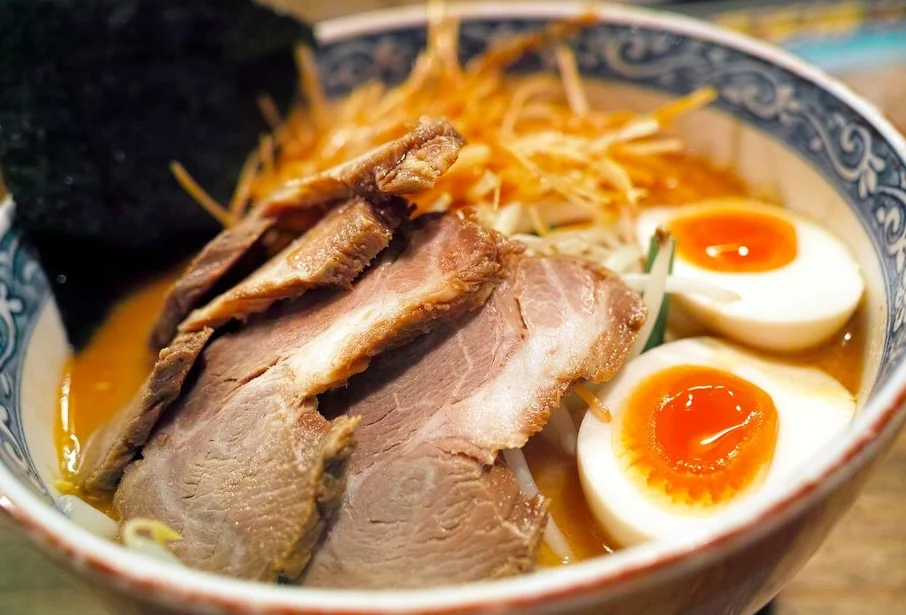
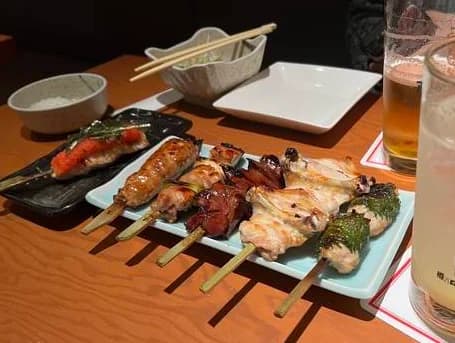
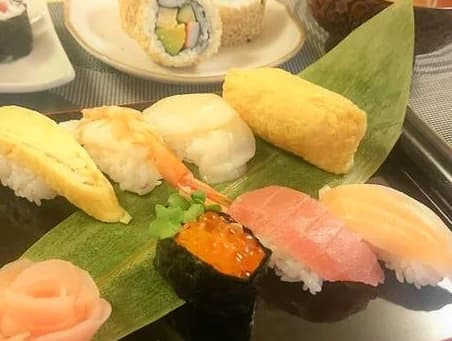
The most frustrating part of a ramen hunt in Tokyo isn't the language barrier; it's the 45-minute wait for a bowl that might not even suit your personal palate. I have spent years analyzing Tabelog ratings, where a 3.5 score often indicates a world-class meal while a 3.8 suggests a two-hour queue. For those who want to bypass the guesswork and the long lines, a curated tasting tour offers a strategic way to sample the Craft ramen movement without the logistical headache. This specific tour focuses on providing smaller portions across multiple legendary shops, allowing you to compare Tonkotsu broth against delicate Shio ramen in a single afternoon.
Why a Guided Ramen Tour Makes Sense in Tokyo
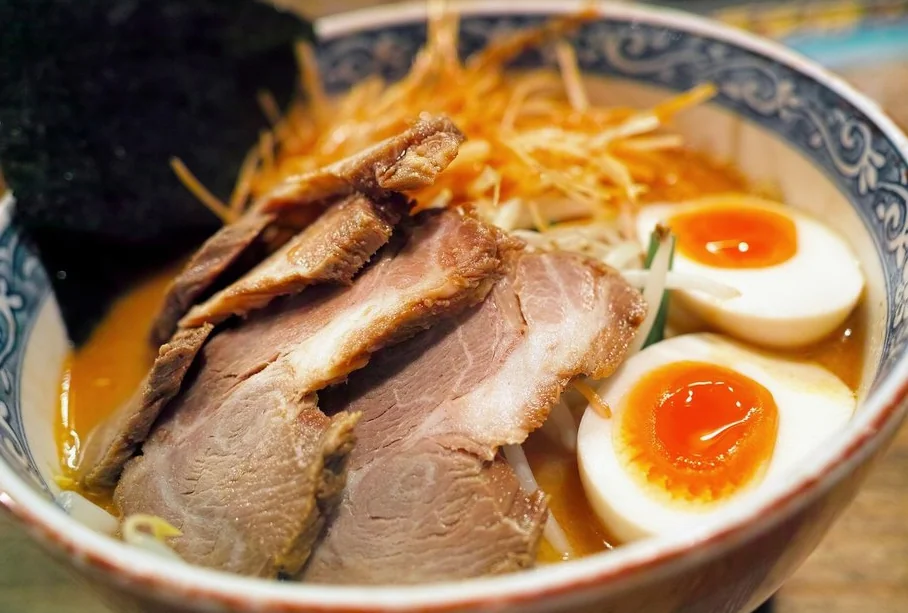
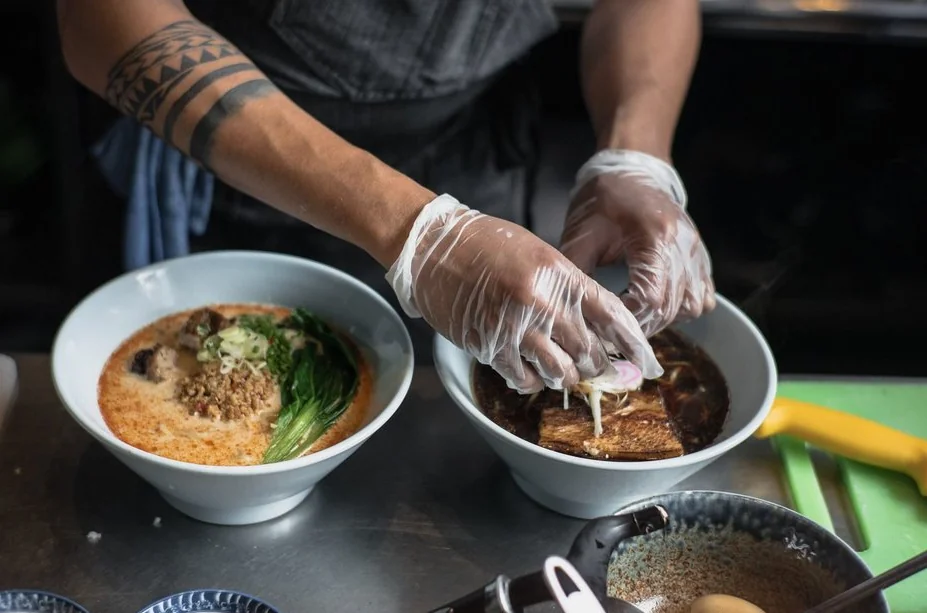
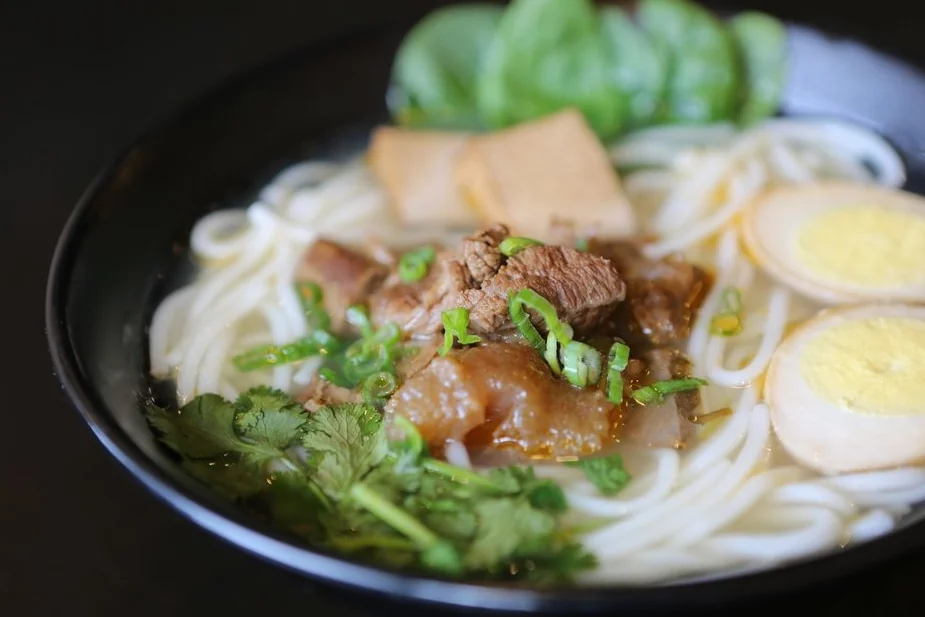
A guided ramen tour solves the problem of limited stomach capacity and the difficulty of identifying truly authentic local spots. By offering smaller tasting portions, these tours allow participants to experience up to six different styles that would otherwise take days to visit individually. It is the most efficient way to understand the Umami profile differences between various regional bases.
When I first started blogging about Japanese cuisine, I realized that many travelers get stuck in the tourist traps of Shinjuku. They see a bright sign and a short line, only to end up with a mediocre, mass-produced bowl. A professional tour guide uses Wait time analytics and local knowledge to pick shops that maintain a high Ramen turnover rate while serving Michelin Bib Gourmand quality food. The value here isn't just the food; it's the education on Kansui (alkaline water) ratios and how they affect Noodle firmness.
Navigating the Complexity of Local Styles
Tokyo's ramen scene is divided into dozens of sub-genres, ranging from heavy Chashu pork belly toppings to clear, seafood-infused stocks. A tour helps you distinguish between a traditional Tare base and modern fusion styles that are currently trending in the Tokyo Ramen Street area.
- Identifying high-quality Shoyu ramen through its clarity and aroma.
- Understanding the role of Menma bamboo shoots in balancing broth richness.
- Learning the proper Slurping etiquette to aerate the noodles and enhance flavor.
"Sample up to 6 types of authentic ramen at famous restaurants." [1]
Breaking Down the Tasting Experience
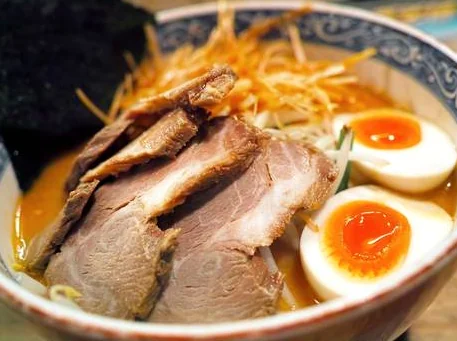
The tasting experience typically involves visiting three to four distinct neighborhoods to sample a variety of broth consistencies. Each stop provides a mini-bowl—roughly 1/4th the size of a standard serving—to ensure you don't hit a "salt wall" too early in the journey. Most tours also include a Gyoza side dish or a local drink to cleanse the palate between bowls.
One detail I appreciated was the focus on the Ticket vending machine system. For a first-timer, these machines are intimidating. My guide explained exactly which buttons corresponded to Ajitsuke Tamago (marinated egg) and how to request a Kaedama (noodle refill) if someone in the group was still hungry. We encountered a Shio ramen with a hint of Yuzu kosho that was so bright and citrusy it completely changed my perspective on salt-based broths, which I previously found one-dimensional.
The Reality of Counter Seating Etiquette
Ramen shops are often cramped, 6-to-10 seat operations where Counter seating etiquette is strictly observed. You are expected to eat quickly and leave immediately to allow the next person in line to sit; this isn't a place for a long chat over coffee.
| Feature | Tour Details |
|---|---|
| Total Duration | Approximately 3 hours |
| Sample Volume | Up to 6 mini-bowls of various styles |
| Price Point | Typically ¥12,500 to ¥14,800 per person |
| Meeting Point | Central Tokyo (often near major stations) |
One potential downside is the pace. If you prefer a slow, leisurely meal, the rapid-fire nature of a ramen tour might feel rushed. I found that the 15-minute walk between shops provided a necessary break for digestion, but those with mobility issues should check the walking distance beforehand. Also, keep in mind that Seasonal limited bowls might replace standard menu items depending on the month you visit.
Essential Checklist for Ramen Enthusiasts
If you are planning to explore the Tokyo ramen scene, consider these two major hurdles that a guided tour helps you overcome:
- Difficulty in locating authentic spots: Many top-tier shops are tucked away in basement levels or residential alleys without English signage.
- Portion exhaustion: It is physically impossible for most people to try more than two full bowls of ramen in a day without feeling unwell.
Conclusion

A Tokyo ramen tasting tour is an investment in your culinary education rather than just a simple meal. It provides a data-backed approach to finding the best Tsukemen and Shoyu ramen without wasting hours in line. While the price is higher than buying individual bowls yourself, the access to expert knowledge and the ability to sample six different varieties makes it a worthwhile experience for any serious food lover. I suggest booking your tour for the beginning of your trip so you can use your guide's recommendations for the rest of your stay.
자주 묻는 질문