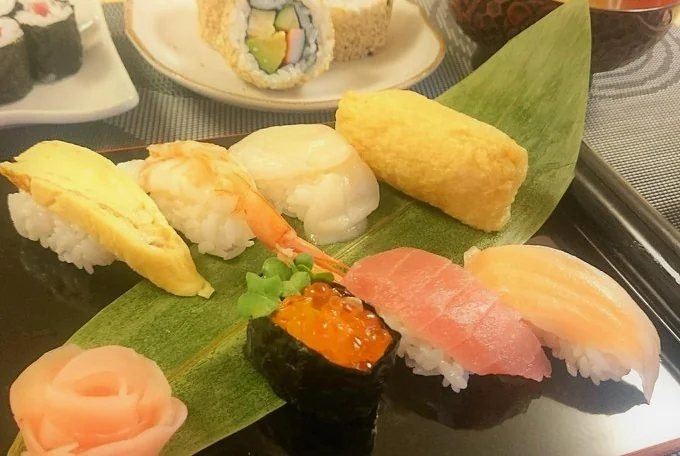
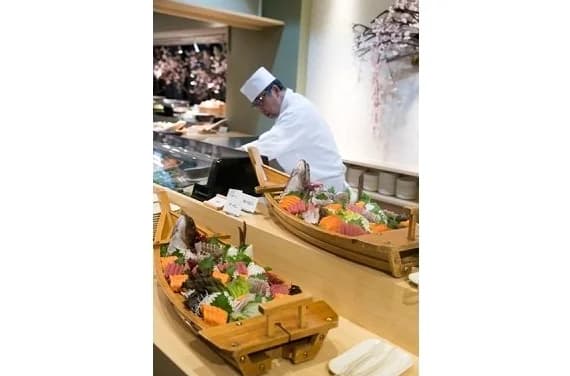
I spent exactly 184 minutes inside a professional kitchen in Tokyo learning why my home-made sushi always falls apart. This 3-hour small group session bridges the gap between being a fan of Japanese cuisine and actually understanding the mechanics of the Nigiri technique. With a maximum of 10 participants, the small group intimacy allows for a high participant-to-teacher ratio, which is vital when you are struggling with the sticky texture of Shari vinegared rice. We covered everything from Wasabi preparation to the final Umami flavor profile of our creations. While some might find the pace brisk, the direct access to an English-speaking sushi chef makes it far more valuable than watching online tutorials. If you want to move beyond just eating at local restaurants and actually master the basics of sushi grade freshness and rolling, this is a solid investment of your time.
What Does a 3-Hour Tokyo Sushi Class Cover?
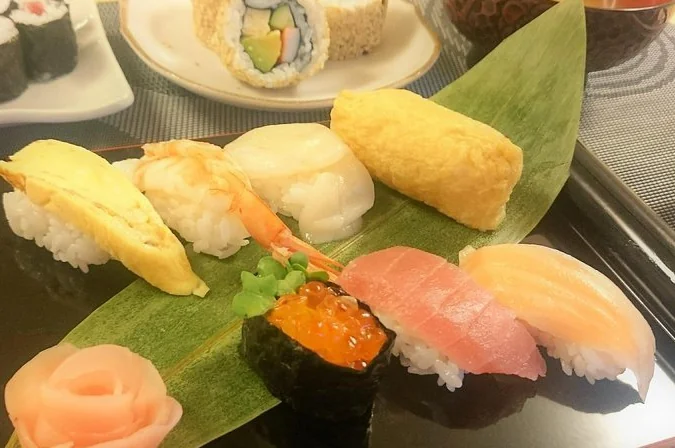
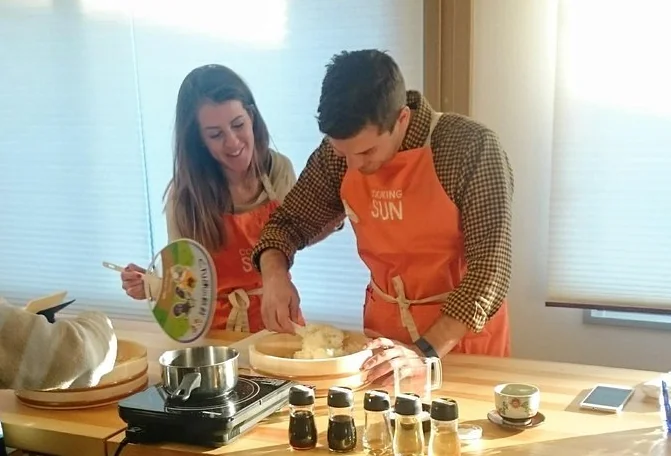
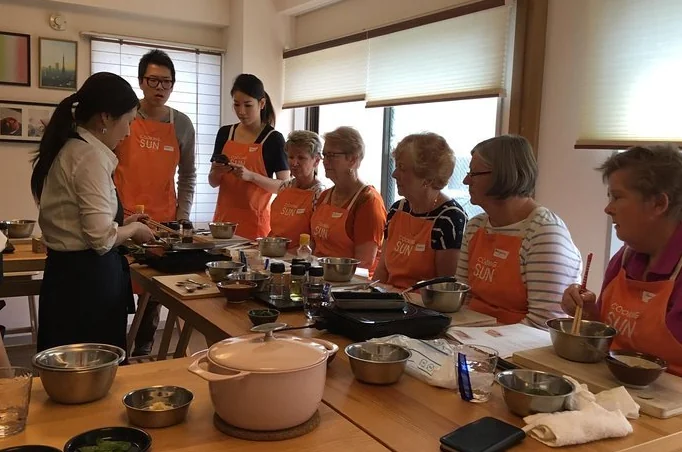
A standard 3-hour sushi workshop covers the preparation of Shari vinegared rice, seafood slicing techniques, and the assembly of both Nigiri and Makizushi. Participants typically create 8 to 12 pieces of sushi while learning about the history of Edomae style sushi. The session usually concludes with a communal meal featuring the sushi you prepared, often accompanied by a Miso soup base and Sake pairing.
The Art of Shari and Neta Selection
The foundation of great sushi lies in the synergy between Shari (the seasoned rice) and Neta (the seafood toppings). During the class, the instructor explains how Toyosu Market sourcing ensures the highest sushi grade freshness, a standard much higher than what you find in typical supermarket Japan food. We learned that the temperature of the rice must be close to human body temperature to enhance the Umami flavor profile of the fish.
| Item | Content |
|---|---|
| Total Duration | 3 Hours (180 Minutes) |
| Class Size | Maximum 10 Participants |
| Typical Cost | Approximately 12,500 JPY per person |
| Booking Lead Time | Recommended 14 days in advance |
Hands-On Instruction and Knife Skills
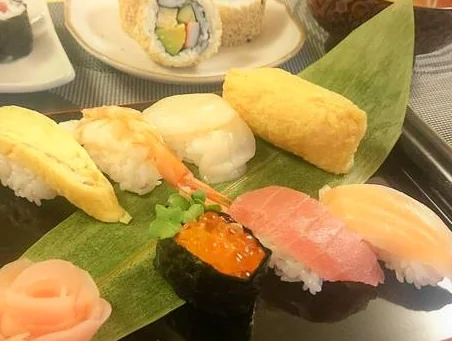
Hands-on instruction time takes up roughly 70% of the workshop, focusing on the tactile nature of Japanese culinary culture. You will participate in a brief knife skills workshop to learn how to slice fish without damaging the delicate fibers. This part requires focus, as kitchen safety is a top priority when handling professional-grade Japanese blades.
"The small group tour is strictly limited to 10 participants to ensure quality instruction." [1]
Practical Skills: Nigiri and Makizushi Rolling
The Nigiri technique involves a specific rhythmic movement of the fingers to shape the rice without over-compressing it. Makizushi rolling, on the other hand, requires a bamboo mat and a steady hand to ensure the fillings stay centered. I struggled initially with the rice sticking to my hands, but the chef’s tip about using 'Tezu' (vinegar water) changed everything. We also practiced Wasabi preparation, learning how freshly grated root differs significantly from the paste found in many ramen or casual sushi shops.
- Small group intimacy (limited to 10 participants) for personalized feedback
- Efficient 3-hour hands-on instruction time that fits into a busy travel schedule
Is the Experience Worth the Price?

The value of this class depends on your interest in the technical side of sushi. At roughly 12,500 JPY, it is more expensive than a high-end lunch at many local restaurants, but you are paying for the education and the English-speaking sushi chef. The inclusion of take-home recipes and insights into local dining etiquette adds long-term value for any food enthusiast.
One minor downside I noticed was that the knife skills portion felt slightly rushed for absolute beginners. I spent about 12 minutes just trying to get the angle right on a single piece of tuna. However, the instructor was quick to step in and assist. They also offer dietary accommodations for those who don't eat raw fish, though you should mention this during the booking process. To finish the meal, we were served Gari pickled ginger to cleanse the palate between different types of Neta, a small but essential part of the traditional experience.
자주 묻는 질문