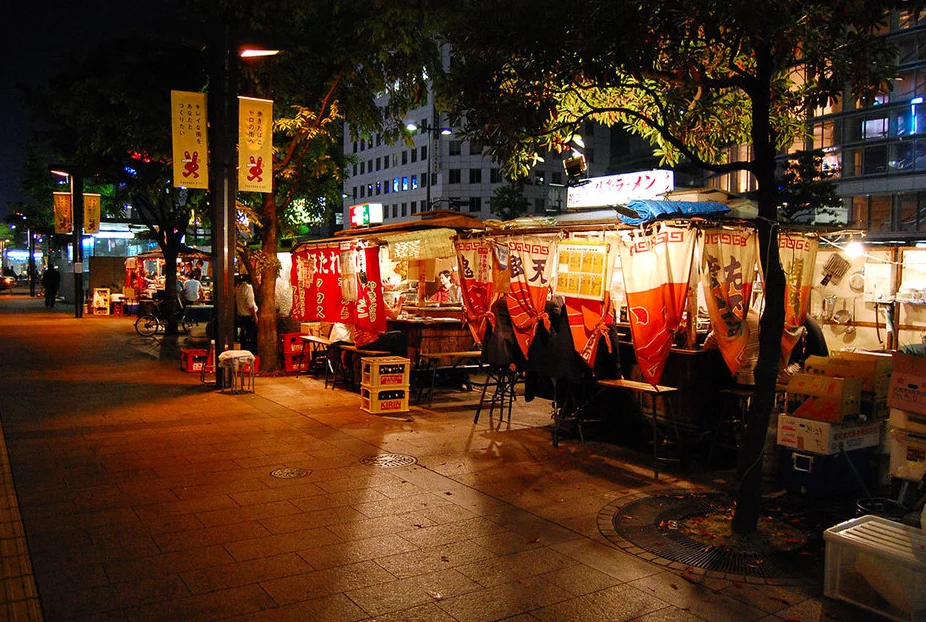
The best Hakata Tonkotsu Ramen I have eaten in Fukuoka was not in a pristine, air-conditioned restaurant. It was served from a cramped Nakasu riverside food stall, surrounded by red noren curtains, where a bowl of pork broth and thin noodles cost exactly ¥850. The broth was aggressively porky, leaving a sticky collagen film on my lips, exactly how authentic regional ramen should be. Navigating the Hakata Yatai culture and the adjacent Tenjin nightlife district can be intimidating for outsiders. Language barriers and opaque pricing often lead visitors to overpriced tourist traps rather than genuine local spots. I recently joined a guided evening walking tour designed to bridge this gap, promising access to top-tier street food and high-energy venues. This review breaks down the actual cost, the wait times, and whether having a local resident guide expertise genuinely improves the taste of your Fukuoka Motsunabe (offal stew) and Hitokuchi Gyoza (one-bite dumplings).
What to Expect from Fukuoka's Yatai Culture
Fukuoka's Yatai culture revolves around mobile food stalls that set up at dusk, typically serving 8 to 10 customers at a time. Average wait times for Yatai in popular areas range from 30 to 45 minutes on weekends, and price per person budget constraints usually fall around ¥2,500 to ¥4,000 depending on alcohol consumption.
Authentic vs. Tourist-Trap Identification
Identifying an authentic food stall versus a tourist trap requires looking at the customer base and the menu structure. Genuine local restaurants on wheels display clear pricing and are filled with locals drinking shochu, whereas tourist traps often lack price tags and aggressively usher foreigners in.
On our guided route, we bypassed the notoriously overpriced stalls near the main bridges. Instead, our guide led us to a quieter spot known for seasonal Oden varieties and Hakata-style Yakitori skewers. The chicken skin skewer (torikawa) was grilled until dehydrated and crispy, coated in a sweet soy glaze that paired perfectly with a dry Asahi draft. However, the downside of visiting these smaller, authentic stalls is the seating constraint. I felt rushed to finish my food within 30 minutes to make room for the next waiting customer, which detracts from the relaxing late-night Izakaya recommendations I usually prefer.
Decoding Tabelog Scores for Street Food
Tabelog ratings for street food stalls behave differently than standard brick-and-mortar Japanese cuisine establishments. A Tabelog 3.5+ rating analysis reveals that only the absolute elite stalls break the 3.5 barrier, while a 3.1 or 3.2 is genuinely excellent for a casual Yatai.
During the food portion of the night, the guide explained this scoring system while we waited 23 minutes for a seat at a Nagahama Ramen stall. The broth here was lighter than the Nakasu style, heavily seasoned with sesame and pickled ginger. Before hitting the stalls, we also stopped at a few standing bars (Tachinomiya) and craft beer bars in Fukuoka to experience standard Japanese drinking etiquette, which involves pouring for others and ordering small plates to share.
Transitioning to the Tenjin Nightlife District
The Tenjin nightlife district, specifically the Oyafuko-dori club scene, is characterized by multi-level venues playing EDM and hip-hop. Entry usually requires a passport, and the atmosphere shifts drastically from the traditional quiet dining of Japan food culture to high-volume, energetic crowds.
Club Cover Charges and Drink Etiquette
Nightclub cover charge and drink tickets typically cost between ¥2,000 and ¥3,500 for men, with discounted rates for women, usually including one standard drink. The Fukuoka club dress code is generally relaxed compared to Tokyo, but sandals and sweatpants will still result in a denied entry.
The tour included expedited entry into major venues like Club Bijou Fukuoka and Club Ibiza Fukuoka. I noticed the mosaic lizard logo of Ibiza as we bypassed a massive queue. Inside, the energy was chaotic, with cheering crowds under intense lighting. We also checked out the venue with the Cats Fukuoka logo, which caters to a slightly younger demographic. While the Nomihoudai (all-you-can-drink) options at some nearby bars are a great deal, the actual drinks inside these premium clubs are heavily diluted. My gin and tonic tasted mostly of soda water and ice. You are paying for the atmosphere, not the mixology.
Overcoming Common Nightlife Barriers

Navigating foreign nightlife independently often results in missed opportunities and logistical frustration. Having a bilingual guide eliminates the guesswork of reading handwritten menus and negotiating entry fees at exclusive venues.
Here is a checklist of common hurdles this guided experience addresses:
- Difficulties of visiting local nightlife (Yatai, clubs) alone without knowing the unwritten rules and seating etiquette.
- Limitations of local experiences due to language barriers when ordering regional specialties without English menus.
Based on information from the tour operator, this itinerary is specifically designed so guests can "experience the hottest clubs and yatai in Fukuoka" without the usual intimidation factor of entering unknown venues.
Tour Logistics and Value Breakdown
This guided experience lasts approximately 4 hours, combining street food dining with VIP club access. The base price covers the guide's time and club entry, but food and additional drinks are strictly out of pocket.
| Tour Component | Inclusions | Expected Additional Costs |
|---|---|---|
| Yatai Dining Experience | Translation assistance, seat negotiation | ¥2,000 - ¥3,500 for ramen, skewers, and beer |
| Standing Bar Visit | Introduction to local drinking culture | ¥1,000 - ¥1,500 for a drink and light snack |
| Club Ibiza / Bijou Entry | Cover charge, queue jump, 1 drink ticket | ¥800+ per additional drink inside the venue |
| Guide Services | Bilingual support (Japanese/Korean), area orientation | None (gratuity is not customary in Japan) |
Frequently Asked Questions

Club entry and language support are the most common concerns for international visitors planning a night out in Kyushu. The rules here are strict and non-negotiable by local security staff.
Q: What is required for club entry? A: A passport is strictly required for club entry. Digital copies or standard IDs from your home country will not be accepted by the bouncers under any circumstances. Q: What language is the tour conducted in? A: This tour is conducted in Korean and Japanese. You will need a basic understanding of one of these languages to effectively communicate with the guide and follow their recommendations. If you want to eat pristine sushi in a quiet room, this is not the itinerary for you. This experience is loud, slightly greasy, and deeply authentic to Kyushu's working-class roots. The value of this tour lies not in the food itself—which you pay for separately—but in the access. Bypassing a 45-minute queue at a Tabelog-rated stall and walking past the velvet ropes at a major club saves hours of frustration. Just remember to eat quickly at the Yatai to respect the waiting locals, and lower your expectations for the strength of the club drinks. What was your experience navigating Hakata's street food scene? Share your thoughts below.