Most visitors think they understand Japan food after eating a few bowls of ramen or plates of sushi. But the real foundation of Japanese cuisine lies in its regional dashi and ingredient selection. I recently spent three and a half hours on a combined Nishiki Ichiba Market tour and cooking class, booked through one of the major food tour booking platforms. The experience costs approximately 12,000 yen per person. Instead of wandering aimlessly, you learn how to identify seasonal Kyo-ryori ingredients, negotiate street food vendor logistics, and extract a proper umami profile from scratch. The highlight was mastering specific Kyoto-style dashi (Kombu focus), but the pacing during the market segment felt noticeably rushed. Here is exactly what you get for your money, based on my firsthand experience.
How Does the Nishiki Market Tour Segment Work?
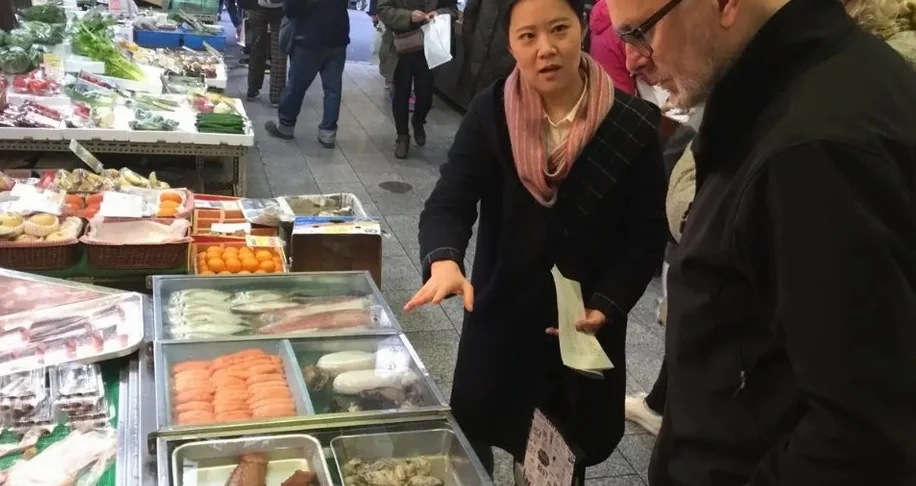
The market tour lasts approximately 60 minutes and focuses on selecting raw ingredients rather than casual snacking. You walk through a specific route with an instructor to buy vegetables, fish, and seasonings needed for the cooking portion.
We started our morning by examining fresh seafood at a local stall, where the guide explained how to select the best cuts for our bowls. Unlike typical tourist walks, this felt like an active procurement mission. We stopped at a vendor selling Kyo-yasai (Kyoto heirloom vegetables) and another specializing in Tsukemono (Kyoto pickles). I noticed the distinct sharpness of Wasabi-zuke and the highly balanced Gari (pickled ginger) acidity at these specific stalls. We even passed by the famous Aritsugu knives shop, though there was no time to stop and browse.
Navigating Crowds and Stall Selections
Navigating this 400-year-old market requires strict wait time management, as the narrow aisles become heavily congested by 11:00 AM. The guide intentionally bypasses tourist traps to focus on specialized vendors that maintain high market stall hygiene standards.
The logistics of moving eight people through Nishiki Market is challenging. Our guide kept a tight schedule, which meant we could not linger at stalls that caught our eye. If you want to shop leisurely, you will need to return after the class.
- Seafood selection: Identifying firm flesh and clear eyes for optimal freshness.
- Pickle tasting: Comparing three different fermentation stages of daikon.
- Spice sourcing: Purchasing raw components for custom seasoning blends.
What Happens Inside the Kyoto Cooking Class?
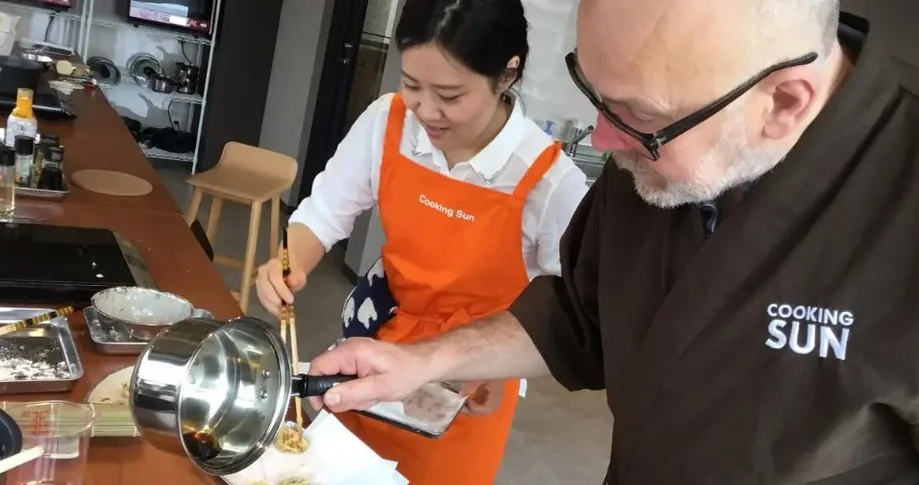
The hands-on cooking session takes about two hours and covers everything from broth preparation to final plating. Participants learn specific Donburi-bachi techniques to assemble their bowls correctly without making the rice soggy.
The kitchen studio was clean but slightly cramped for a full group of eight adults. You spend the first 30 minutes entirely focused on prep work before any heat is applied to the pans.
The Science of Broth and Rice
Kyoto cuisine relies on subtle, clear broths rather than heavy, thick sauces. You learn how to balance a light Shoyu-base seasoning with kelp to create a delicate, aromatic stock.
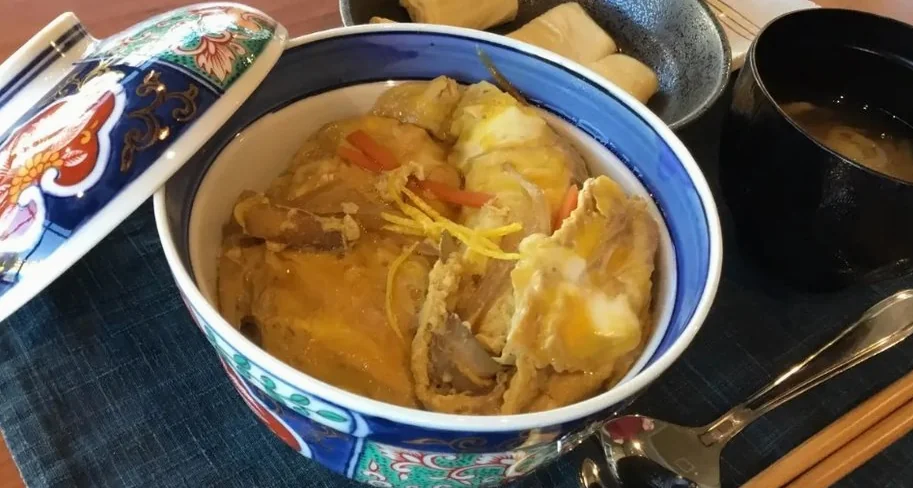
Rice grain texture (Koshihikari) is critical for any donburi. If the rice is cooked too soft, it turns to mush under the broth. We spent considerable time discussing the structural differences between Kaisendon vs Oyakodon, focusing our practical efforts on the latter. The instructor also demonstrated how to make proper Dashi-maki Tamago, emphasizing the wrist-flicking motion required to roll the egg seamlessly.
Frying, Plating, and Pairings
The final steps involve strict temperature control for frying and selecting the right beverage to cut through the richness. The class concludes with a tasting session featuring local alcohol varieties.
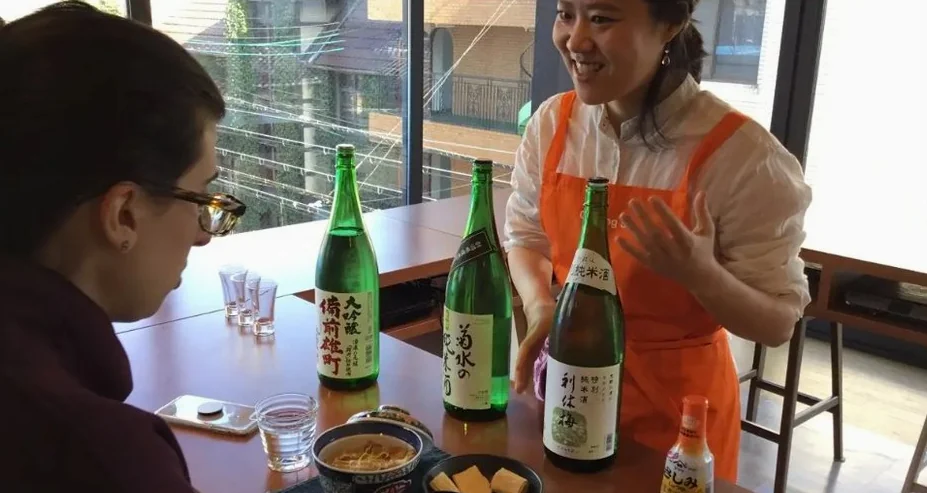
I spent 15 minutes physically adjusting the oil temperature for frying tempura, learning exactly how sauce consistency affects the batter's final crunch. Later, the instructor poured three different regional sakes, explaining how their specific acidity levels pair with the fat of the dish. We also experimented with Shichimi Togarashi blending to customize our own spice levels, and tasted three different miso paste varieties to construct the accompanying side soup. Seeing the finished oyakodon served in beautiful ceramic bowls made the intensive prep work feel entirely justified.
Is the Price-to-Quality Ratio Worth It?
At roughly 12,000 yen, the value depends entirely on your desire for hands-on education versus simply eating out. It offers excellent culinary insight but costs significantly more than eating at top-rated local restaurants.
Many travelers suffer from sticker shock when booking Japanese culinary workshops. You are paying for the private kitchen space, the English-speaking guide, and the raw materials.
Comparing Costs with Local Dining Alternatives
You can easily buy a high-quality donburi in Kyoto for under 2,000 yen at a standard restaurant. However, a class provides technical knowledge that you can take home and replicate in your own kitchen.
Let's do a quick Tabelog score analysis. A 3.8-rated oyakodon spot in Kyoto will cost you about 1,500 yen and a 45-minute wait in line. This class costs eight times that amount. If you just want a cheap, tasty meal without the effort, do a Teramachi arcade food crawl instead.
| Dining Option | Average Cost (Yen) | Time Investment | Primary Benefit |
|---|---|---|---|
| Highly Rated Local Restaurant | 1,500 - 2,500 | 1.5 hours (with queue) | Professional execution, low cost |
| Street Food Crawl | 3,000 - 4,000 | 2 hours | High variety, casual pace |
| Guided Cooking Class | 12,000+ | 3.5 hours | Skill acquisition, market insight |
"From my experience reviewing dozens of food tours, the true value of a cooking class isn't the meal you eat that day—it's the techniques you learn to improve your cooking for the next ten years."
Frequently Asked Questions
Q: Do I need prior cooking experience to join?
A: No prior experience is necessary. The instructor provides step-by-step guidance, and the knife work required is very basic.
Q: Are vegetarian options available for the donburi?
A: Yes, but you must notify the booking platform in advance so they can source vegetable alternatives during the market tour.
Q: Is the market tour suitable for children?
A: The market gets incredibly crowded, and the cooking involves hot oil. It is generally better suited for teenagers and adults.
this combined market and kitchen experience strips away the mystery of Kyoto's food culture. While the market portion felt a bit hurried and the kitchen space was snug, the technical knowledge gained regarding dashi extraction and temperature control was genuinely valuable. If you want to understand the mechanics behind the bowl, it is a solid half-day investment.