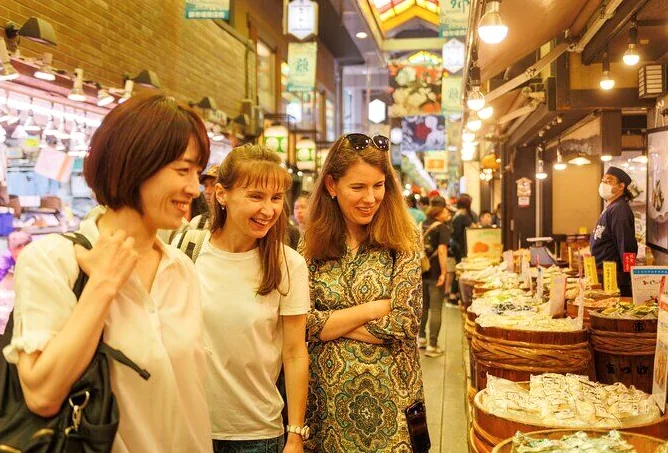
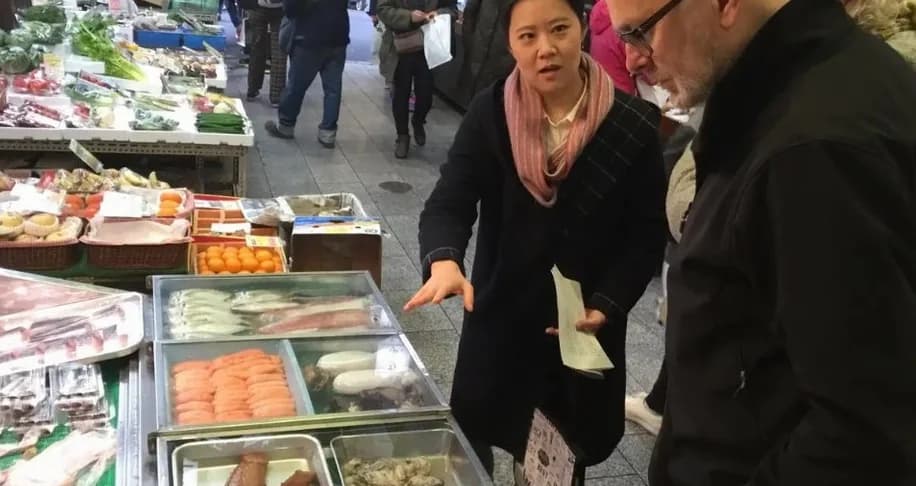
Kyoto Food Tour: Exploring Nishiki Market and Gion District My recent walk through the heart of Kyoto revealed that the best Japanese cuisine often hides in plain sight, tucked away between historical storefronts and narrow alleys. During my exploration of Nishiki Market and the Gion District, I found that balancing street food snacking with a structured tour provided the deepest insight into local flavor profiles. While many travelers stick to the main thoroughfares, the true value lies in identifying vendors with long-standing histories and understanding the delicate balance of umami-rich dashi used in Kyoto-style cooking. This guide breaks down my findings on navigating these iconic food hubs, from the texture of fresh yuba sheets to the sharp, acidic bite of traditional Kyoto-style Tsukemono.
Understanding Kyoto Food Tour Value
A high-quality food tour in Kyoto typically costs between ¥8,000 and ¥15,000 per person, depending on the number of stops and the inclusion of alcohol. These tours provide the best value when they prioritize local vendor history and offer access to seasonal Kaiseki ingredients that are otherwise difficult for tourists to source individually.
Key Considerations for Tour Selection
When selecting a tour, prioritize those that emphasize small group sizes to ensure you can actually hear the guide's explanation of local vendor history. I have found that tours lasting roughly 3 hours offer the optimal pace, allowing for about 5 to 7 distinct tasting stops without feeling rushed.
- Check if the itinerary includes a sake brewery tasting, as this often justifies a higher price point.
- Look for tours that venture into Pontocho Alley to experience traditional Machiya architecture alongside your meal.
- Ensure the guide discusses Japanese street food etiquette, especially regarding the rule against walking while eating in crowded markets.
Must-Try Flavors in Nishiki Market
Nishiki Market is the epicenter of Kyoto's culinary identity, offering everything from delicate soy milk donuts to savory tamagoyaki skewers. To optimize your visit, I recommend arriving before 10:30 AM to beat the primary surge of foot traffic and ensure you get the freshest items.
Top Picks for Your Palate
My personal highlight was the fresh yuba, which has a creamier, more subtle texture than the dried versions found in supermarkets. If you are looking for a savory snack, the hamo pike conger is a seasonal delicacy that truly demonstrates the precision of Kyoto knife work.
Checklist for a Successful Market Visit:- Identify vendors using seasonal Kaiseki ingredients for the freshest possible taste.
- Sample the matcha ceremony grade tea to understand the difference in bitterness levels.
- Try the senbei rice crackers from a vendor that grills them to order for that essential crunch.
- Observe Japanese street food etiquette by eating your purchase at the designated stall area.
- Keep a few coins ready for small skewers, as many stalls do not accept large bills.
Navigating Gion and Pontocho
Dining near the Kamo River and the vicinity of Yasaka Shrine offers a more refined atmosphere compared to the bustling market stalls. I have consistently found that the price-to-quality ratio in Gion is higher, so it pays to research Tabelog ratings to avoid tourist-trap pricing.
Expert Tips for Evening Dining
A 3.5 rating on Tabelog is generally a sign of a very reliable, high-quality establishment in Kyoto. If you are planning to dine near the Kamo River, I suggest making a reservation at least 14 days in advance, as the best hidden alley gems fill up quickly.
Be aware that some high-end establishments in Gion may not have an English menu. I typically use a translation app or ask for the chef's recommendation, which often results in trying Obanzai dishes that are not listed on the standard menu. My experience with local ramen shops near Yasaka Shrine has also been positive, provided you are willing to wait 20 to 30 minutes during peak dinner hours.