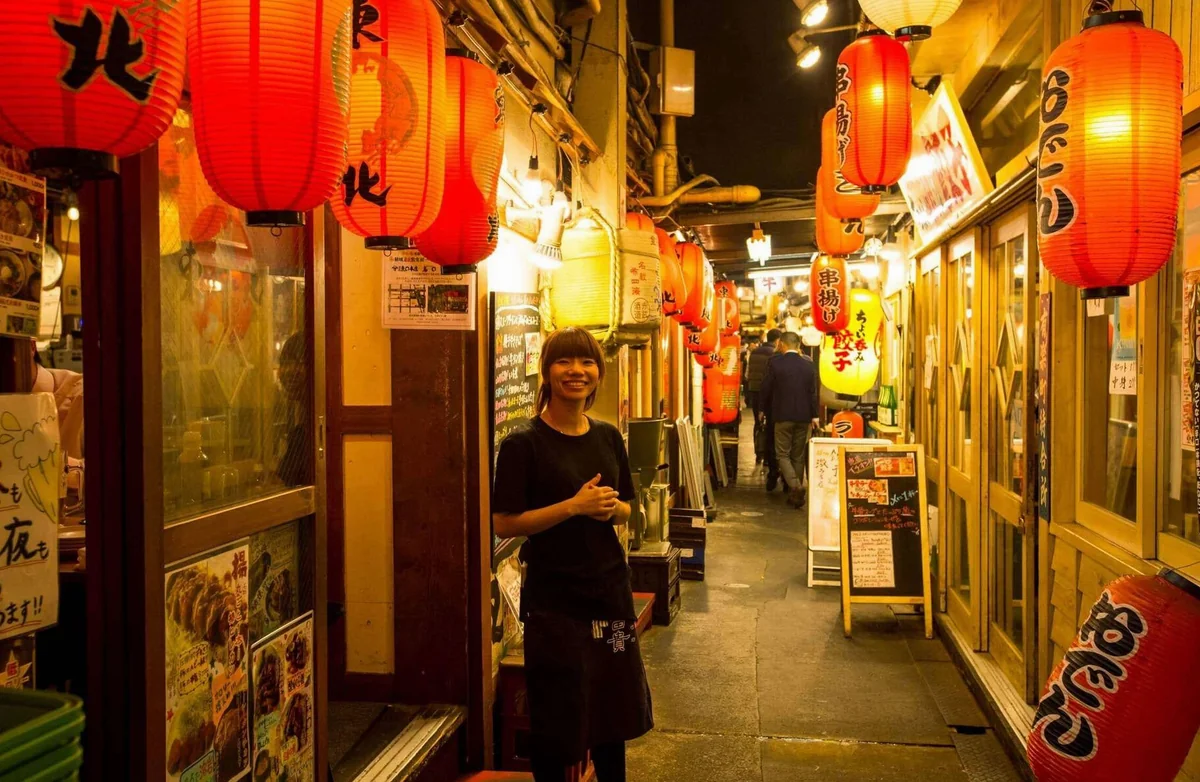
Tokyo Retro Dining Tour: Exploring Hidden Yokochos and Local Flavors The most authentic Japanese cuisine I have encountered in Tokyo is rarely found in the polished, high-end districts of Ginza. Instead, it hides in the narrow, smoke-filled alleys known as yokochos, where the 1970s Showa-era aesthetic remains untouched. My experience exploring these hidden pockets of local restaurants revealed that the best food is often served on plastic stools with a side of authentic neighborhood chatter. While some tourists flock to famous chains, I found that the true soul of Japanese food lies in these cramped, family-run stalls where the master has been grilling yakitori for three decades. Navigating these areas requires patience and a willingness to embrace the chaotic, intimate atmosphere that defines true Tokyo dining.
What to Expect from a Retro Tokyo Food Tour
A retro-themed food tour in Tokyo typically focuses on the city's remaining Showa-era alleys, offering a window into post-war social dining culture. These tours usually last between two and three hours, covering three to five distinct food stalls or small restaurants that are difficult to find without local guidance [1].
When participating in these tours, you are paying for access to local knowledge and the confidence to enter establishments that might otherwise feel intimidating to outsiders. I found that having a guide helps navigate the unspoken etiquette of small-counter dining, such as the expectation to order a drink upon sitting and the protocol for handling shared condiment trays. Be aware that these spaces are exceptionally small; if you have mobility issues or are claustrophobic, the tight seating arrangements might prove challenging.
Navigating Tabelog and Local Dining Ratings
Tabelog scores are the most reliable metric for Japanese cuisine, though they operate on a scale where a 3.5 rating is considered exceptional. Most local restaurants fall within the 3.0 to 3.2 range, so a score above 3.5 often indicates a place with a cult following and potential wait times.
In my experience, relying solely on international review sites often leads to crowded tourist traps. A restaurant with a 3.05 on Tabelog but filled with local salarymen is often superior to a 4.5-rated spot designed for social media visibility. When visiting yokocho areas, I prioritize places that show signs of consistent local patronage, such as worn menus and a lack of English signage, as these are strong indicators of quality and tradition.
Essential Tips for Yokocho Dining
Success in yokocho dining depends on your flexibility and understanding of the local pace. Most of these small establishments prioritize speed and turnover, so it is best to enjoy your meal, finish your drink, and move on to the next stall to allow others a chance to sit.
- Always carry cash, as many of these small, historic shops do not accept credit cards.
- Expect to pay a small cover charge, known as an otoshi, which usually includes a tiny appetizer.
- If a shop looks full, stick your head in and ask for a seat; masters will often squeeze you in if they can manage it.
- Order the house specialty, even if it is not described on the menu, by asking for the "osusume" or recommendation.
Frequently Asked Questions
Q: Are these tours suitable for vegetarians?A: Generally, no. Most traditional yokocho stalls specialize in meat-heavy dishes like yakitori or offal, making it extremely difficult to accommodate strict vegetarian or vegan diets.
Q: Should I make reservations for these small restaurants?A: Most yokocho stalls do not accept reservations. They operate on a first-come, first-served basis, which is why guided tours are helpful for securing spots in popular alleys.
Q: Is there a dress code for retro dining?A: There is no formal dress code, but keep in mind that these venues are often smoky. I recommend wearing casual clothing that you do not mind smelling like charcoal or grilled meat afterward.